

Mediterranean Conservation Foundation
TREN
Support us

Field programme · Ecosystem Restoration

Plastic pollution

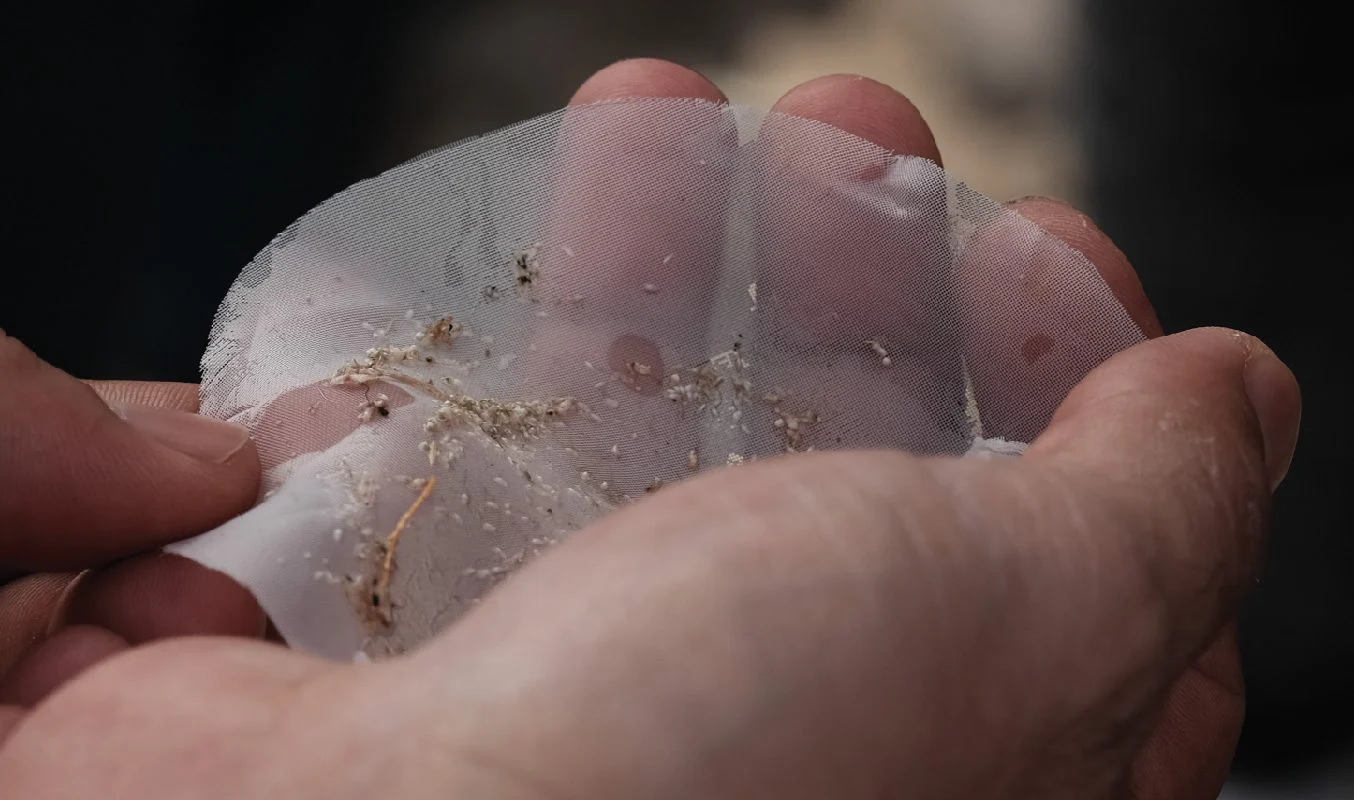
Plastic pollution is the accumulation of plastic materials and particles in terrestrial and aquatic environments, negatively affecting the lives and habitats of all living beings, including humans.

Photo: Akdeniz Koruma Vakfı Arşivi

Where
Datça-Bozburun Special Environmental Protection Area
Microplastics
smaller than 5 mm
Time to decompose in nature
100-500 years

At a glance

  1. Plastic pollution is the accumulation of plastic materials and particles in terrestrial and aquatic environments, negatively affecting the lives and habitats of all living beings, including humans.

  2. Each year, more than 450 million metric tons of plastic are produced, with a significant portion remaining in nature without degrading.

  3. On average, a human consumes 5 grams of microplastics per week.

  4. If plastic production continues at the current rate, by 2050 the number of plastics in the oceans will exceed the number of fish.

450 milyon metrik ton
Plastic produced each year (more than)
5,25 trilyon
Microplastic particles in the oceans
700.000
Microplastics released into the water by washing machines per wash cycle
5 gr
Average amount of microplastics a human consumes per week

About

Plastic pollution is the accumulation of plastic materials and particles in terrestrial and aquatic environments, negatively affecting the lives and habitats of all living beings, including humans. Each year, more than 450 million metric tons of plastic are produced, with a significant portion remaining in nature without degrading.

To understand the scale of plastic pollution today, here are some striking facts:

  • Tens of thousands of animals die each year due to entanglement in plastic waste alone.
  • An average of 9 microplastic particles have been found in human stomach samples.
  • Since plastics take 100-500 years to decompose, the first plastics ever produced are known to still persist in nature.
  • On average, a human consumes 5 grams of microplastics per week, equivalent to the size of a credit card.
  • 700,000 microplastic particles are released into the water per wash cycle from washing machines.
  • The oceans contain 5.25 trillion microplastic particles, surpassing the number of stars in the sky.
  • If plastic production continues at the current rate, by 2050 the number of plastics in the oceans will exceed the number of fish.

What are the environmental damages of plastics?

  • Food safety and quality loss

    Recent studies have reported the presence of microplastics in many foods and beverages, including tap water and salt.

  • Impact on biodiversity

    Microplastics of different sizes, shapes and colours are ingested directly or indirectly by over 500 species, including mussels, fish, birds, sea turtles and marine mammals.

  • Effects on tourism and the economy

    Plastic waste accumulating on coastlines negatively affects tourism and causes economic losses.

  • Connection to climate change

    Plastic pollution threatens food security and quality, human health and coastal tourism, and is also recognised as one of the contributors to climate change.

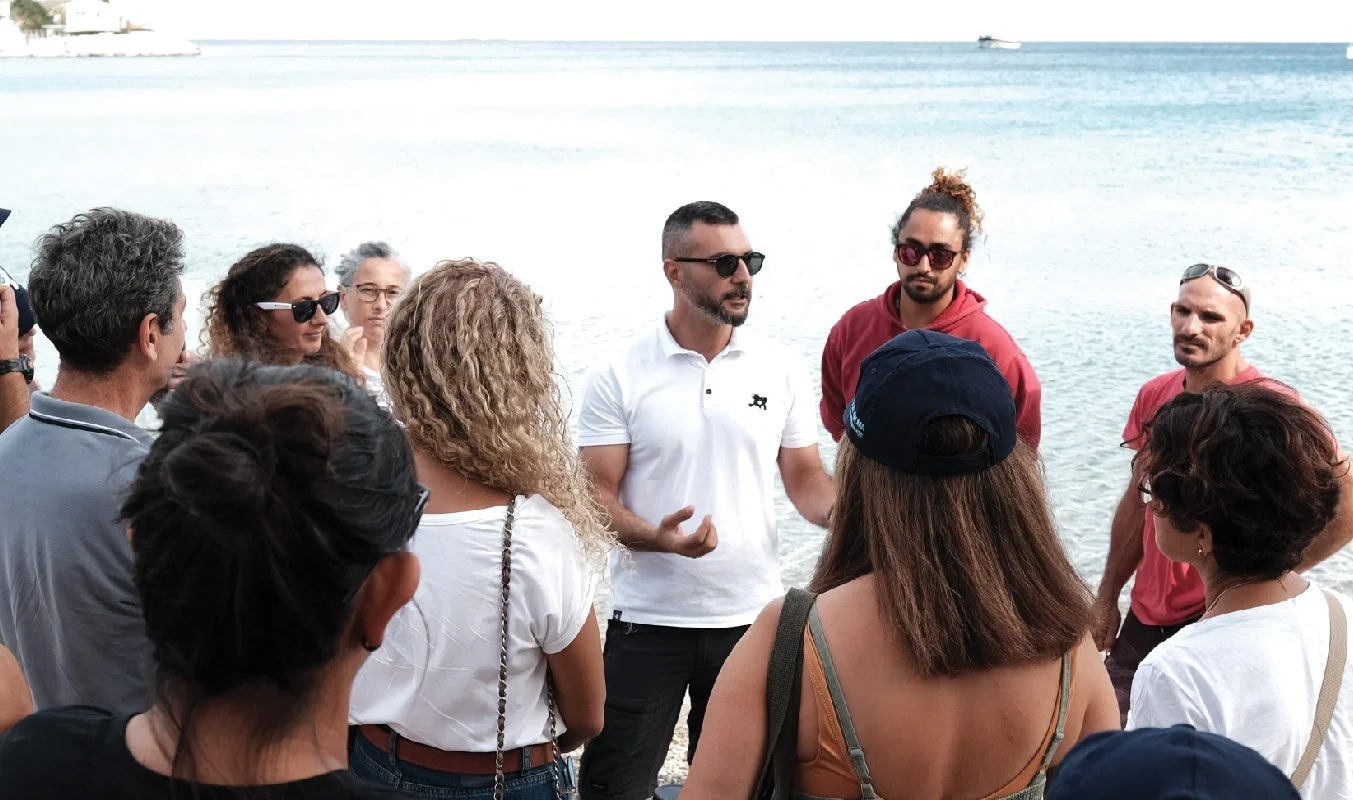
A group of participants listening to an instructor on a beach
Photo: Akdeniz Koruma Vakfı Arşivi

Are plastics harmful to human health?

5 mm’den küçükSize of microplastics

The potential effects of plastics on human health are as follows:

  • Carcinogenic risks

    Some chemicals found in plastics may cause cancer.

  • Reproductive and developmental disorders

    Toxic substances in plastics can disrupt the hormonal system.

  • Damage to the immune and nervous system

    Substances released as plastics decompose can harm the nervous and immune systems.

What can be done to prevent plastic pollution?

  • The UNEP Regional Seas Programme

    The guidelines prepared by the UNEP Regional Seas Programme and the European Union's Marine Strategy Framework Directive (MSFD) provide recommendations on how marine litter should be sampled, analysed and recorded, so that data collected in the Mediterranean, where the coasts of our country are located, are comparable and usable between countries. Within the framework of these guidelines, they provide recommendations on how to scientifically monitor plastics and plastic fragments of different sizes on the coastline, on the seafloor, floating on the surface and ingested by animals.

  • Objectives of scientific monitoring studies

    The main objectives of scientific monitoring studies include limiting plastic pollution levels and their possible effects, reducing the levels and effects of marine- and land-based plastics on coasts, aquatic habitats and biodiversity, and limiting the accumulation levels and effects of plastics of different sizes in aquatic ecosystems. These efforts play a key role in solving the plastic pollution problem.

  • Collecting plastic waste

    It is crucial for stakeholder groups such as producers, importers, suppliers and brand owners to take more responsibility in collecting, recycling, reusing and managing plastic waste. Establishing sustainably separated waste bins and recyclable plastic collection centres will also make a difference in combating plastic pollution.

References

  • Estimation of the mass of microplastics ingested – A pivotal first step towards human health risk assessment - ScienceDirect.
  • Release of synthetic microplastic plastic fibres from domestic washing machines: Effects of fabric type and washing conditions - ScienceDirect.
  • Plastic in the Ocean.
  • Plastics Europe (2024) Plastics—The Facts 2024.
  • Plastic Pollution Facts.
  • High Ambition Coalition to End Plastic Pollution.
  • Scientists' Coalition - Ikhapp.
  • Anbumani, S., & Kakkar, P. (2018). Ecotoxicological effects of microplastics on biota: a review. Environmental Science and Pollution Research, 25, 14373-14396.

Plastic pollution

What we do

Identifying the sources of pollution

The Mediterranean Conservation Foundation conducts research to assess the current state and sources of terrestrial and marine plastic pollution, with the aim of protecting and sustaining the ecosystem in the coastal areas of the Datça-Bozburun Special Environmental Protection Area.
Microplastic research

Research is carried out to reveal the extent and spatial distribution of microplastic pollution in surface seawater, sediment (marine and beach) and the water column, and the information obtained is used to contribute to awareness at the local and national levels.

Citizen science initiatives

Within the scope of the work carried out in the Datça-Bozburun SEPA, the presence of macro- and mesoplastics on the coastline and seabed, and of microplastics in seawater and in the digestive systems of economically valuable fish, is determined, and citizen science initiatives are carried out with local communities and stakeholders in the region to raise awareness of plastic pollution.

01Identifying the sources of pollution

The Mediterranean Conservation Foundation conducts research to assess the current state and sources of terrestrial and marine plastic pollution, with the aim of protecting and sustaining the ecosystem in the coastal areas of the Datça-Bozburun Special Environmental Protection Area.

02Microplastic research

Research is carried out to reveal the extent and spatial distribution of microplastic pollution in surface seawater, sediment (marine and beach) and the water column, and the information obtained is used to contribute to awareness at the local and national levels.

03Citizen science initiatives

Within the scope of the work carried out in the Datça-Bozburun SEPA, the presence of macro- and mesoplastics on the coastline and seabed, and of microplastics in seawater and in the digestive systems of economically valuable fish, is determined, and citizen science initiatives are carried out with local communities and stakeholders in the region to raise awareness of plastic pollution.

Our work on this topic

Next steps

We need your support to keep this work going.