

Mediterranean Conservation Foundation
TREN
Support us

Topic

Preservation of Cultural Heritage

Cultural heritage does more than preserve traces of the past; it also strengthens societies' sense of identity, belonging and resilience.

Photo: Akdeniz Koruma Vakfı Arşivi

UNESCO World Heritage Convention
Türkiye has been a party since 1983
Our sites on the World Heritage List
22 sites as of 2025; 79 sites on the Tentative List

At a glance

  1. Cultural heritage does more than preserve traces of the past; it also strengthens societies' sense of identity, belonging and resilience.

  2. According to UNESCO, climate change is one of the greatest threats facing World Heritage sites.

  3. 60% of World Heritage sites in the Mediterranean face coastal flooding and erosion risks.

  4. As one of the goals in its 2024-2029 strategy, the Mediterranean Conservation Foundation has committed to supporting efforts to bring underwater cultural heritage to light.

%60
Mediterranean World Heritage sites at risk of coastal flooding and erosion
%15
Global blue carbon stock held by marine World Heritage sites
850 km
Route of the ancient "Carian Trail" whose identification and mapping has been completed

What are cultural and natural heritage?

Cultural heritage does more than preserve traces of the past; it also strengthens societies' sense of identity, belonging and resilience. As the climate crisis threatens these values, their protection becomes critical for both cultural continuity and a sustainable future.

22Our sites on the UNESCO World Heritage List (2025; 79 on the Tentative List)

The emergence of the UNESCO World Heritage concept

This event reminded the world that certain cultural and natural sites possess “Outstanding Universal Value” and belong not only to one country but to all humanity.

How does the climate crisis affect cultural heritage?

UNESCO's warning

190 milyon tonCO₂ absorbed by forests each year (approximately)

According to UNESCO data

  • One-third of World Heritage cultural properties are located in coastal areas and are exposed to flooding and erosion risks due to sea-level rise.
  • 60% of World Heritage sites in the Mediterranean face coastal flooding and erosion risks.
  • 60% of World Heritage forests and 60% of World Heritage marine areas are under pressure from human activities and climate-related threats (fires, floods, cyclones).
  • Nearly all UNESCO World Heritage coral reefs are at risk of annual coral bleaching by 2050.
  • Each +1 °C increase in temperature doubles the number of species exposed to hazardous climate conditions.

What should be done to protect cultural heritage against the climate crisis?

  • Technological solutions

    Advancing climate modelling, risk mapping and conservation techniques.

  • Management measures

    Regular monitoring of sites and implementation of maintenance and protection plans.

  • Behavioural change

    Encouraging local communities and visitors to adopt sustainable practices.

  • Policy and financing

    Strengthening legal frameworks, guidelines and resources at national and international levels.

Marine protected areas and cultural heritage

7.000’den fazlaSpecies living in Papahānaumokuākea

References

  • UNESCO World Heritage Centre, World Heritage Information Kit (2008)
  • UNESCO World Heritage Centre, Policy Document on Climate Action for World Heritage (2023)
  • https://whc.unesco.org/en/climatechange/
  • https://www.unesco.org.tr/Pages/125/122/UNESCO-D%C3%BCnya-Miras%C4%B1-Listesi

Preservation of Cultural Heritage

What we do

Commitment in the 2024-2029 strategy

As one of the goals in its 2024-2029 strategy, the Mediterranean Conservation Foundation has committed to supporting efforts to bring underwater cultural heritage to light. In this context, it contributes to the protection, documentation and research of cultural heritage in its areas of operation, as well as to identifying the problems encountered in this field and finding solutions to them.
The ancient "Carian Trail" has been mapped

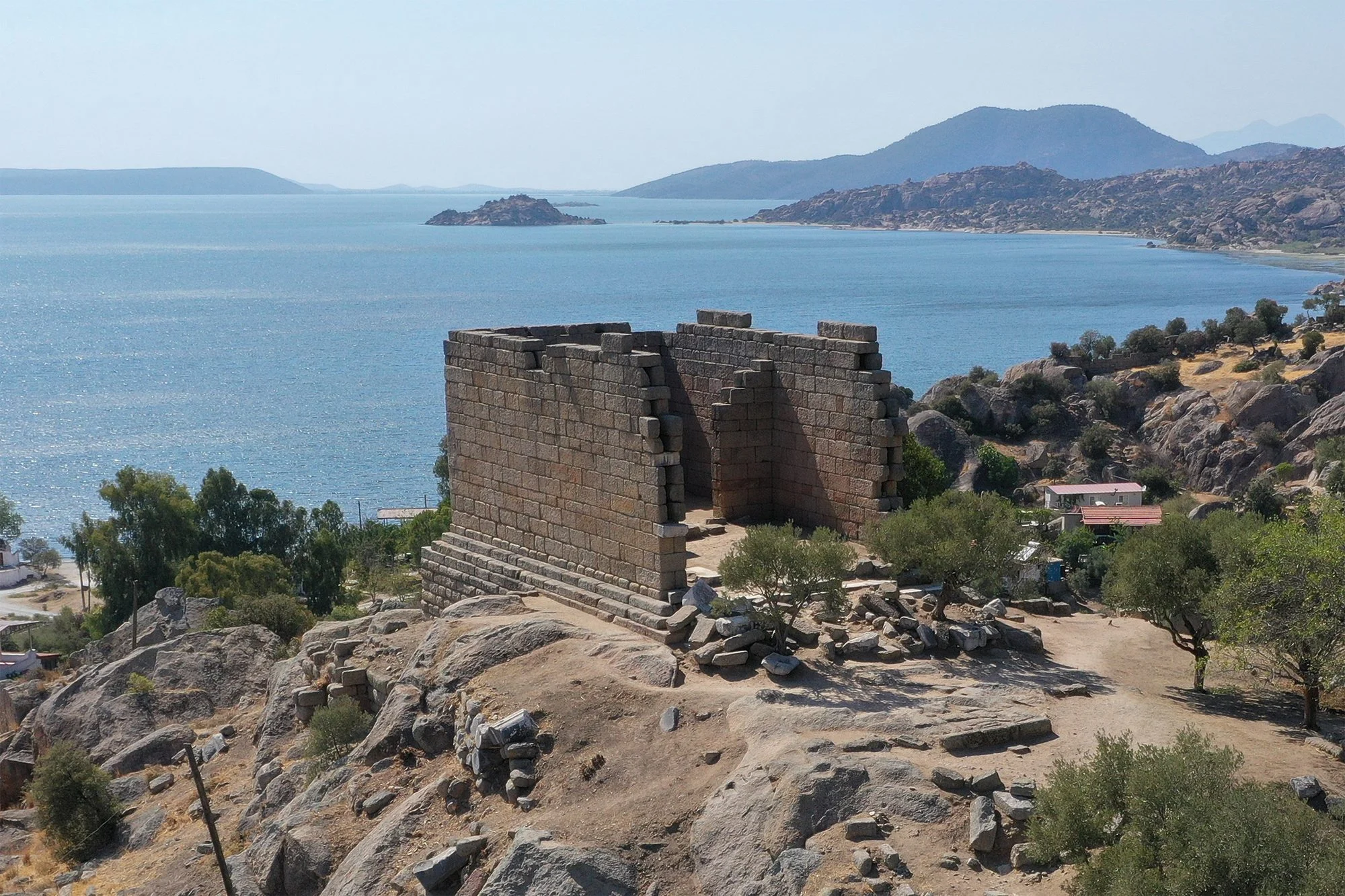
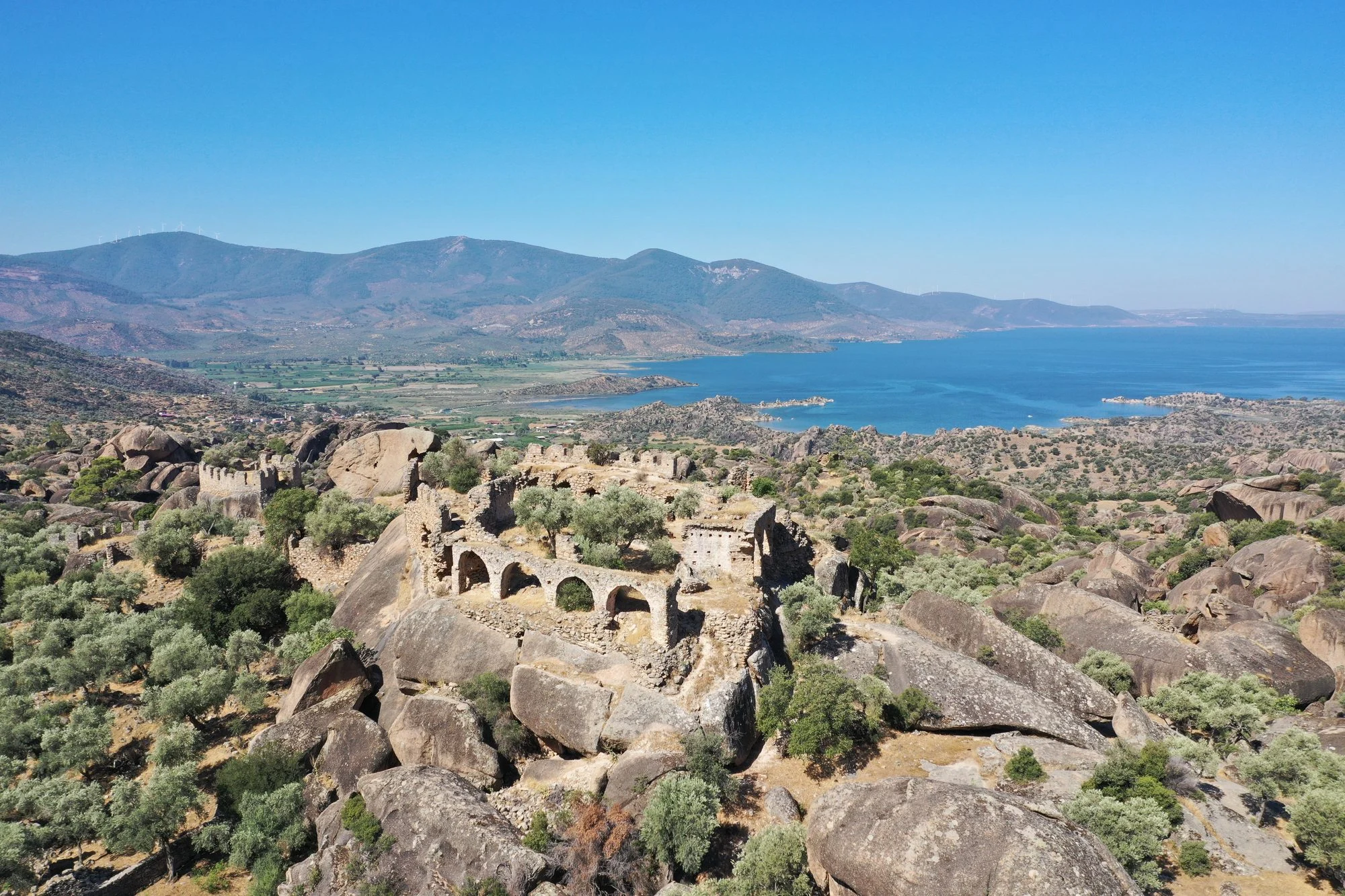
The identification and mapping of the ancient "Carian Trail" route, which stretches across the 850-kilometre Datça and Bozburun Peninsulas, the Gulf of Gökova, Mount Latmos (Beşparmak) and the surrounding areas of Muğla, has been completed by the Mediterranean Conservation Society. It was found that parts of this ancient route, which is located partly within forested areas, are at risk of disappearance, and that new constructions threaten the historical fabric of the region, which dates from the Neolithic period to the present day; this information was shared with the relevant institutions.

Commission established for a national park

Following the application of the Mediterranean Conservation Society, a commission was established by the 4th Regional Directorate of the Ministry of Agriculture and Forestry of the Republic of Türkiye to expand Lake Bafa Nature Park towards the north-northeast and to designate it as a national park. The commission began its survey work by meeting on 17 May 2024 and 10 June 2024 in the ancient city of Herakleia, hosted by the Latmos and Herakleia Excavation Directorate of the Ministry of Culture and Tourism of the Republic of Türkiye.

Support for underwater excavations

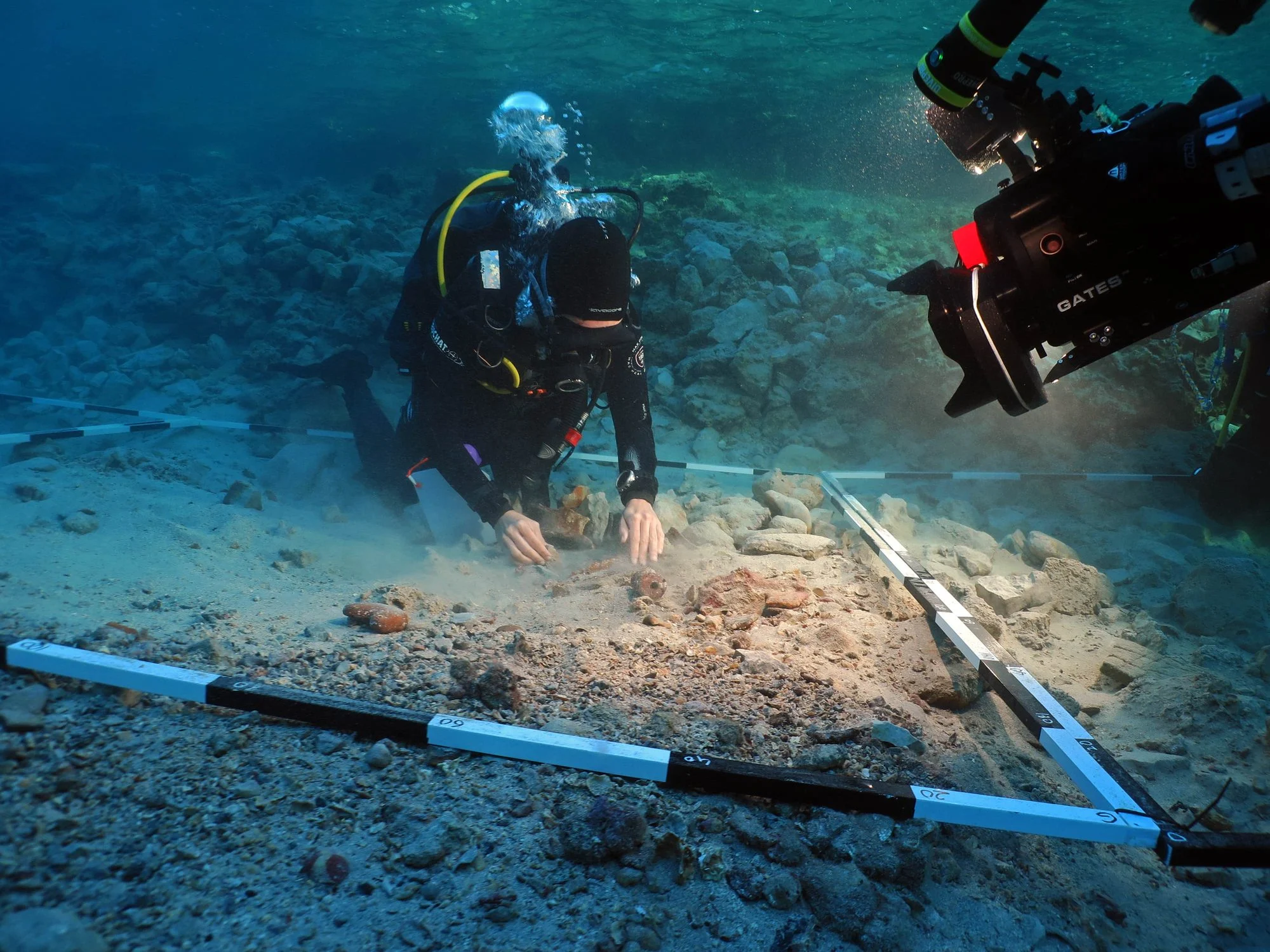
The Mediterranean Conservation Foundation considers the protection of cultural heritage an important part of its climate change adaptation work. Within this framework, it provides support, under a protocol, to the process of uncovering Early Bronze Age and Hellenistic remains and wrecks that remain unprotected at the underwater excavation sites of Bozukkale, Çamçalık and Kızlan.

01Commitment in the 2024-2029 strategy

As one of the goals in its 2024-2029 strategy, the Mediterranean Conservation Foundation has committed to supporting efforts to bring underwater cultural heritage to light. In this context, it contributes to the protection, documentation and research of cultural heritage in its areas of operation, as well as to identifying the problems encountered in this field and finding solutions to them.
02The ancient "Carian Trail" has been mapped

The identification and mapping of the ancient "Carian Trail" route, which stretches across the 850-kilometre Datça and Bozburun Peninsulas, the Gulf of Gökova, Mount Latmos (Beşparmak) and the surrounding areas of Muğla, has been completed by the Mediterranean Conservation Society. It was found that parts of this ancient route, which is located partly within forested areas, are at risk of disappearance, and that new constructions threaten the historical fabric of the region, which dates from the Neolithic period to the present day; this information was shared with the relevant institutions.

03Commission established for a national park

Following the application of the Mediterranean Conservation Society, a commission was established by the 4th Regional Directorate of the Ministry of Agriculture and Forestry of the Republic of Türkiye to expand Lake Bafa Nature Park towards the north-northeast and to designate it as a national park. The commission began its survey work by meeting on 17 May 2024 and 10 June 2024 in the ancient city of Herakleia, hosted by the Latmos and Herakleia Excavation Directorate of the Ministry of Culture and Tourism of the Republic of Türkiye.

04Support for underwater excavations

The Mediterranean Conservation Foundation considers the protection of cultural heritage an important part of its climate change adaptation work. Within this framework, it provides support, under a protocol, to the process of uncovering Early Bronze Age and Hellenistic remains and wrecks that remain unprotected at the underwater excavation sites of Bozukkale, Çamçalık and Kızlan.

Preservation of Cultural Heritage

Subtopics

Our work on this topic

Next steps

We need your support to keep this work going.