
Mediterranean Conservation Foundation
TREN
Support us

Topic

Ecosystem Restoration

The concept of ecosystem restoration can be defined as the ‘process of assisting the recovery of a degraded, damaged or destroyed ecosystem’.

Photo: Akdeniz Koruma Vakfı Arşivi

Definition
‘process of assisting the recovery of a degraded, damaged or destroyed ecosystem’

At a glance

  1. The concept of ecosystem restoration can be defined as the ‘process of assisting the recovery of a degraded, damaged or destroyed ecosystem’.

  2. However, protection alone is insufficient, as habitat loss and species extinction further intensify these issues.

  3. Various restoration practices are required to restore ecosystems’ functions, such as biodiversity and nutrient cycles.

  4. While a lack of fundamental data from protected areas complicates precise cost-benefit analyses, scientific studies indicate that restoring marine ecosystems yields benefits that outweigh the costs.

About

The concept of ecosystem restoration can be defined as the "process of assisting the recovery of a degraded, damaged, or destroyed ecosystem." Restoring oceans and coasts means reducing pressures on these ecosystems, thereby enabling their recovery through natural processes as well as through reseeding or relocating key species. Ecosystem restoration also involves understanding how ecosystems and communities can be made more resilient to climate change.

Benefits of Ecosystem Restoration

  • Benefits for biodiversity

    Ecosystem restoration involves restoring degraded marine ecosystems, minimising the adverse impacts of human activities, and restoring fish spawning and feeding grounds, significantly benefiting biodiversity. These restoration processes help improve ecosystem and community services that support multiple blue economy sectors, such as fishing and tourism, by enhancing marine areas on a large scale. Additionally, restoring blue carbon habitats like seagrasses helps mitigate climate change impacts. These processes reduce issues such as coastal erosion caused by rising sea levels. Increased biodiversity enhances ecosystem resilience, providing better protection against natural disasters and improving overall ecosystem health. A healthy ecosystem also supports the preservation of terrestrial habitats, promoting inter-ecosystem balance.

  • Economic benefits

    While a lack of fundamental data from protected areas complicates precise cost-benefit analyses, scientific studies indicate that restoring marine ecosystems yields benefits that outweigh the costs. Economically, there may be short-term losses in sectors like fisheries and tourism, but these losses are expected to be offset by long-term gains. Particularly in industrial and commercial fishing, restoring economically valuable fish habitats is expected to yield increased fish populations in the medium to long term. Small-scale fishing also benefits from this process, as healthy and rich ecosystems enable local fishers to fish more sustainably and efficiently. This type of fishing supports local economies and improves food security in communities. Ecosystem restoration helps revitalise small-scale fishing, strengthening the social and economic structures of communities. Moreover, healthier ecosystems lead to higher quality fish, increasing market value and boosting the competitiveness of local products. This situation contributes significantly to both environmental and economic sustainability.

Marine Restoration Practices

  • Active restoration

    Active (or ecological) restoration is necessary to partially or fully restore natural marine ecosystems, especially where natural regeneration processes are obstructed. According to measures outlined in the Nature Restoration Law by the European Union and United Nations Commissions, structures or substrates should be created to promote the healthy and sustainable recovery of marine life, such as seagrasses, algae and coral reefs, actively maintaining the marine ecosystem’s natural balance. For successful ecological restoration, selecting and composing suitable species specific to the site, integrating a socio-ecological approach, and adapting to changing conditions, including future climate scenarios, are essential. Involving local communities and integrating traditional knowledge are also highly beneficial. Additionally, scientific research and technical support can enhance the effectiveness of restoration projects.

  • Passive restoration

    Passive restoration measures can repair ecosystem functions and support local recovery. Among the goals of the Nature Restoration Law set by the European Union and United Nations Commissions are increasing nutrient levels and reducing various types of marine pollution, such as noise and plastic waste. Additionally, minimising the negative impacts of fishing activities on marine ecosystems, for example, by promoting fishing gear that has a lesser impact on the seabed, is encouraged. Prohibiting fishing in certain areas and allowing ecosystems to develop their natural dynamics are essential. Restoration and conservation must be accompanied by joint land and marine planning to ensure that land-based pressures from human activities do not jeopardise marine ecosystems’ integrity.

References

  • Fuchs, G., & Stelljes, N. (2022). Why is Nature Restoration Critical for Marine Areas.
  • Gann, G. D., McDonald, T., Walder, B., Aronson, J., Nelson, C. R., Jonson, J., Hallett, J. G., Eisenberg, C., Guariguata, M. R., Liu, J., Hua, F., Echeverría, C., Gonzales, E., Shaw, N., Decleer, K., et al. (2019). International principles and standards for the practice of ecological restoration. Second edition. Restoration Ecology 27(S1), S1–S46.
  • UNEP. Becoming #GenerationRestoration: Ecosystem restoration for people, nature and climat. United Nations Environment Programme (2021).

Ecosystem Restoration

What we do

New Fish Programme

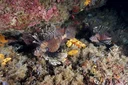
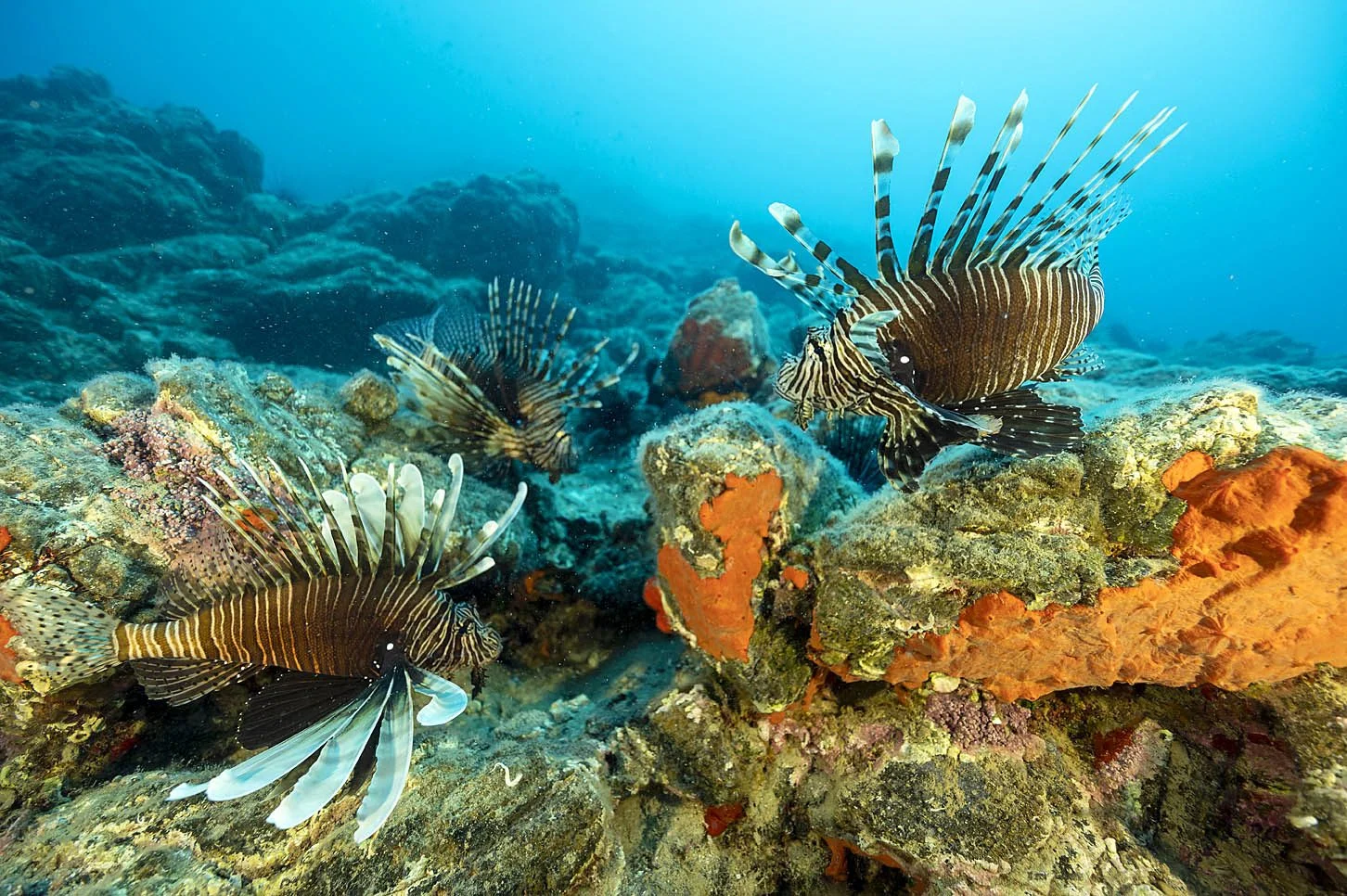
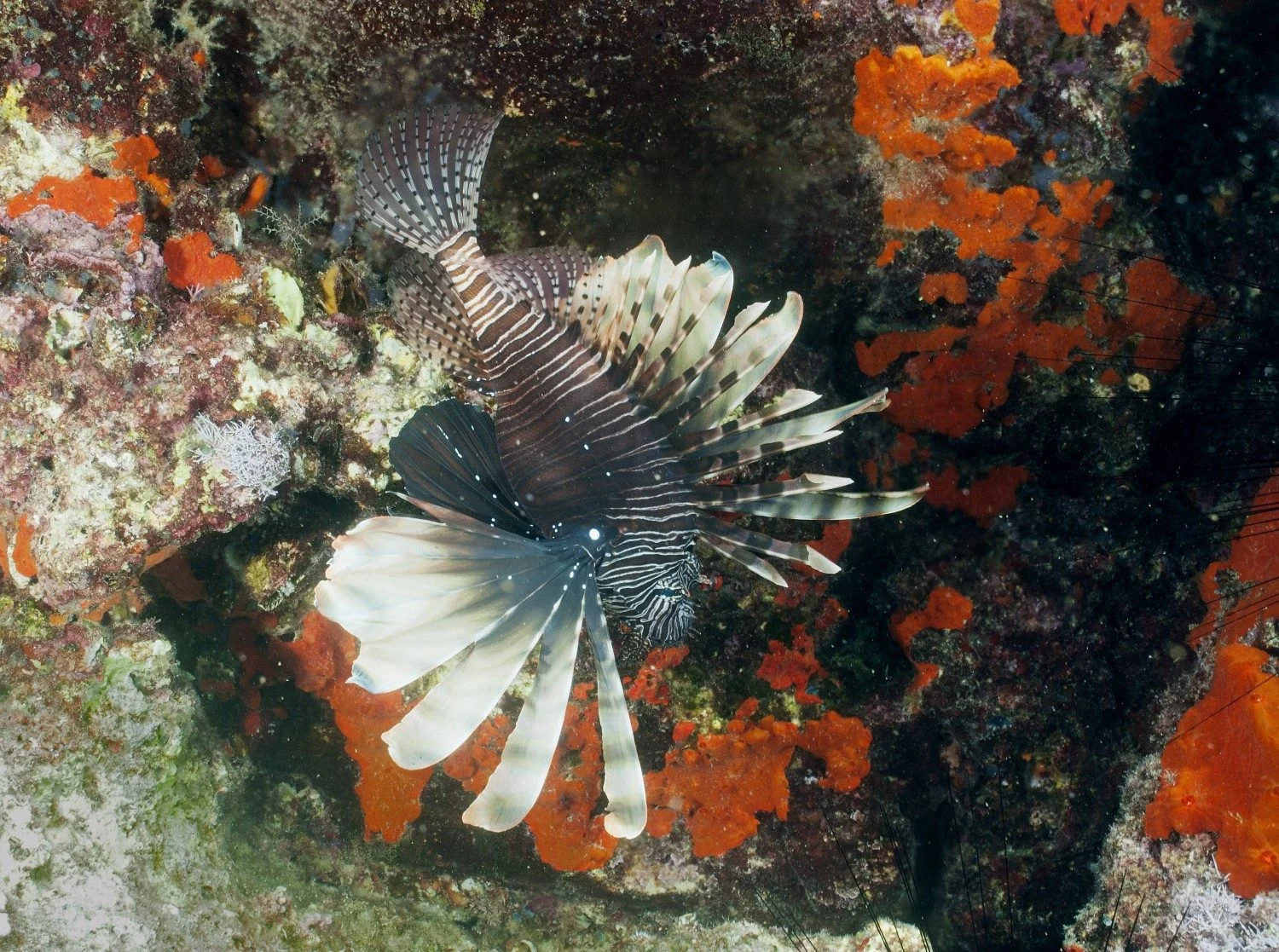
As part of ecosystem restoration, the Mediterranean Conservation Foundation aims to increase the consumption of edible invasive and non-native marine species by raising their value, thus reducing the pressure they exert on algal habitats and enabling small-scale fishers to generate economic income from these species. In this context, the Foundation conducts communication efforts targeting fishers, restaurants, chefs and end consumers to raise awareness of these new edible fish species. Additionally, the mechanism being established to distribute these species from small-scale fishers to restaurants and consumers is being transferred to fisheries cooperatives formed by these fishers, increasing their income, and work continues to enhance their effectiveness in the seafood market.
Underwater clean-up – ghost nets

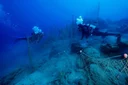
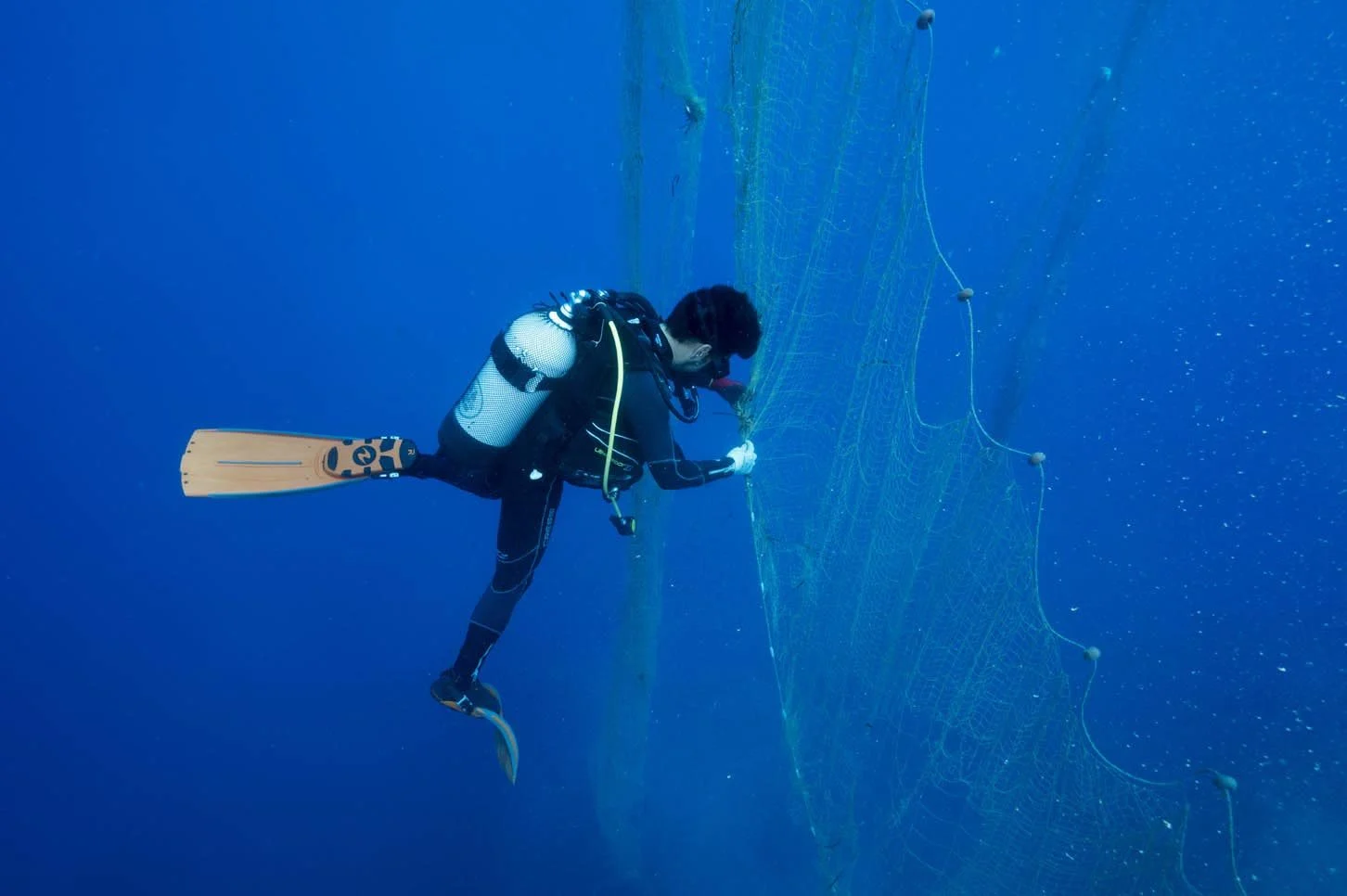
Many scientific studies indicate that most ghost nets do not decompose in nature and continue to fish passively. These wastes cover marine habitats, reducing light and oxygen permeability, threatening habitats like seagrasses and coral reefs, and contributing to microplastic pollution. This situation adversely affects marine biodiversity and impacts those who depend on fishing for their livelihoods. The Mediterranean Conservation Foundation facilitates the removal of ghost nets from marine life and supports their recycling or disposal.

Wetlands

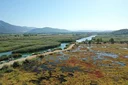
The Mediterranean Conservation Foundation aims to identify the wetlands and buffer zones in Gökova, create an inventory of the species in these areas and update the literature, identify threats to the wetland ecosystem and cooperate with local stakeholders to take the necessary measures, and raise awareness of the importance of this ecosystem. Through this work, the Foundation aims to identify areas suitable for restoration or rehabilitation in Gökova, and to promote a shared vision and awareness for protecting the ecosystem through consensus among local stakeholders, ensuring a balance between protection and use.

Monitoring and evaluating plastic pollution

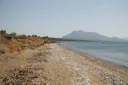
In the Datça–Bozburun Special Environmental Protection Area, the Mediterranean Conservation Foundation conducts studies on plastic pollution to protect and sustain the ecosystem. Research is conducted to determine the size and spatial distribution of microplastic pollution in seawater, sediment and biota, using the information obtained to raise awareness. This research assesses the status of macro- and mesoplastics on the coast and seabed, as well as microplastics in seawater and the digestive systems of economically valuable fish. Awareness is raised through citizen science practices with local residents and stakeholders. Research results are shared with national stakeholders, and workshops are organised in the Datça–Bozburun SEPA. Data is published at national and international conferences and in academic journals, and awareness efforts with young people continue in collaboration with the Ministry of National Education and local schools. Steps are taken to identify and address the sources of plastic pollution.

01New Fish Programme

As part of ecosystem restoration, the Mediterranean Conservation Foundation aims to increase the consumption of edible invasive and non-native marine species by raising their value, thus reducing the pressure they exert on algal habitats and enabling small-scale fishers to generate economic income from these species. In this context, the Foundation conducts communication efforts targeting fishers, restaurants, chefs and end consumers to raise awareness of these new edible fish species. Additionally, the mechanism being established to distribute these species from small-scale fishers to restaurants and consumers is being transferred to fisheries cooperatives formed by these fishers, increasing their income, and work continues to enhance their effectiveness in the seafood market.
02Underwater clean-up – ghost nets

Many scientific studies indicate that most ghost nets do not decompose in nature and continue to fish passively. These wastes cover marine habitats, reducing light and oxygen permeability, threatening habitats like seagrasses and coral reefs, and contributing to microplastic pollution. This situation adversely affects marine biodiversity and impacts those who depend on fishing for their livelihoods. The Mediterranean Conservation Foundation facilitates the removal of ghost nets from marine life and supports their recycling or disposal.

03Wetlands

The Mediterranean Conservation Foundation aims to identify the wetlands and buffer zones in Gökova, create an inventory of the species in these areas and update the literature, identify threats to the wetland ecosystem and cooperate with local stakeholders to take the necessary measures, and raise awareness of the importance of this ecosystem. Through this work, the Foundation aims to identify areas suitable for restoration or rehabilitation in Gökova, and to promote a shared vision and awareness for protecting the ecosystem through consensus among local stakeholders, ensuring a balance between protection and use.

04Monitoring and evaluating plastic pollution

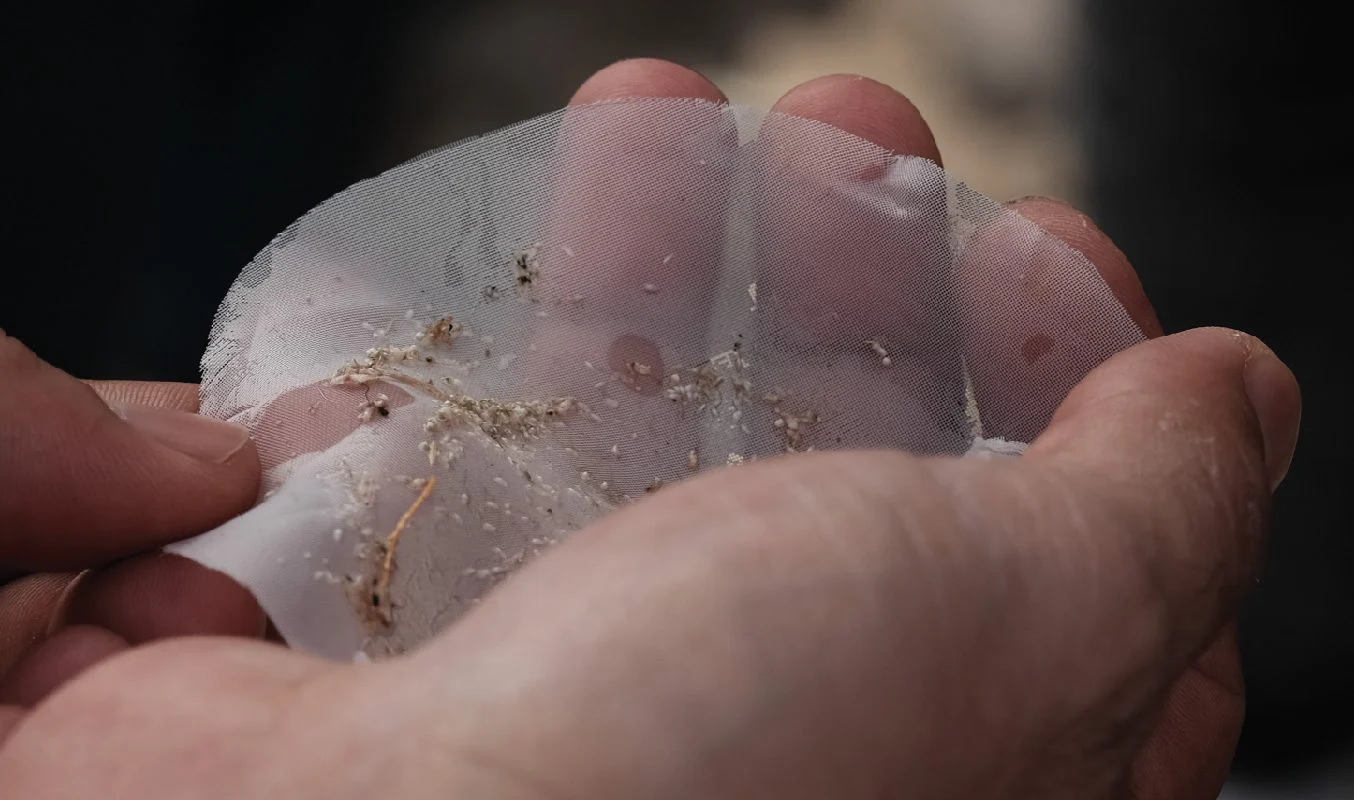
In the Datça–Bozburun Special Environmental Protection Area, the Mediterranean Conservation Foundation conducts studies on plastic pollution to protect and sustain the ecosystem. Research is conducted to determine the size and spatial distribution of microplastic pollution in seawater, sediment and biota, using the information obtained to raise awareness. This research assesses the status of macro- and mesoplastics on the coast and seabed, as well as microplastics in seawater and the digestive systems of economically valuable fish. Awareness is raised through citizen science practices with local residents and stakeholders. Research results are shared with national stakeholders, and workshops are organised in the Datça–Bozburun SEPA. Data is published at national and international conferences and in academic journals, and awareness efforts with young people continue in collaboration with the Ministry of National Education and local schools. Steps are taken to identify and address the sources of plastic pollution.

Ecosystem Restoration

Subtopics

Our work on this topic

Next steps

We need your support to keep this work going.