
Mediterranean Conservation Foundation
TREN
Support us

Topic

Climate Change

Climate change refers to ongoing changes in climate patterns that are largely triggered by the increase in greenhouse gas levels as a result of human activities.

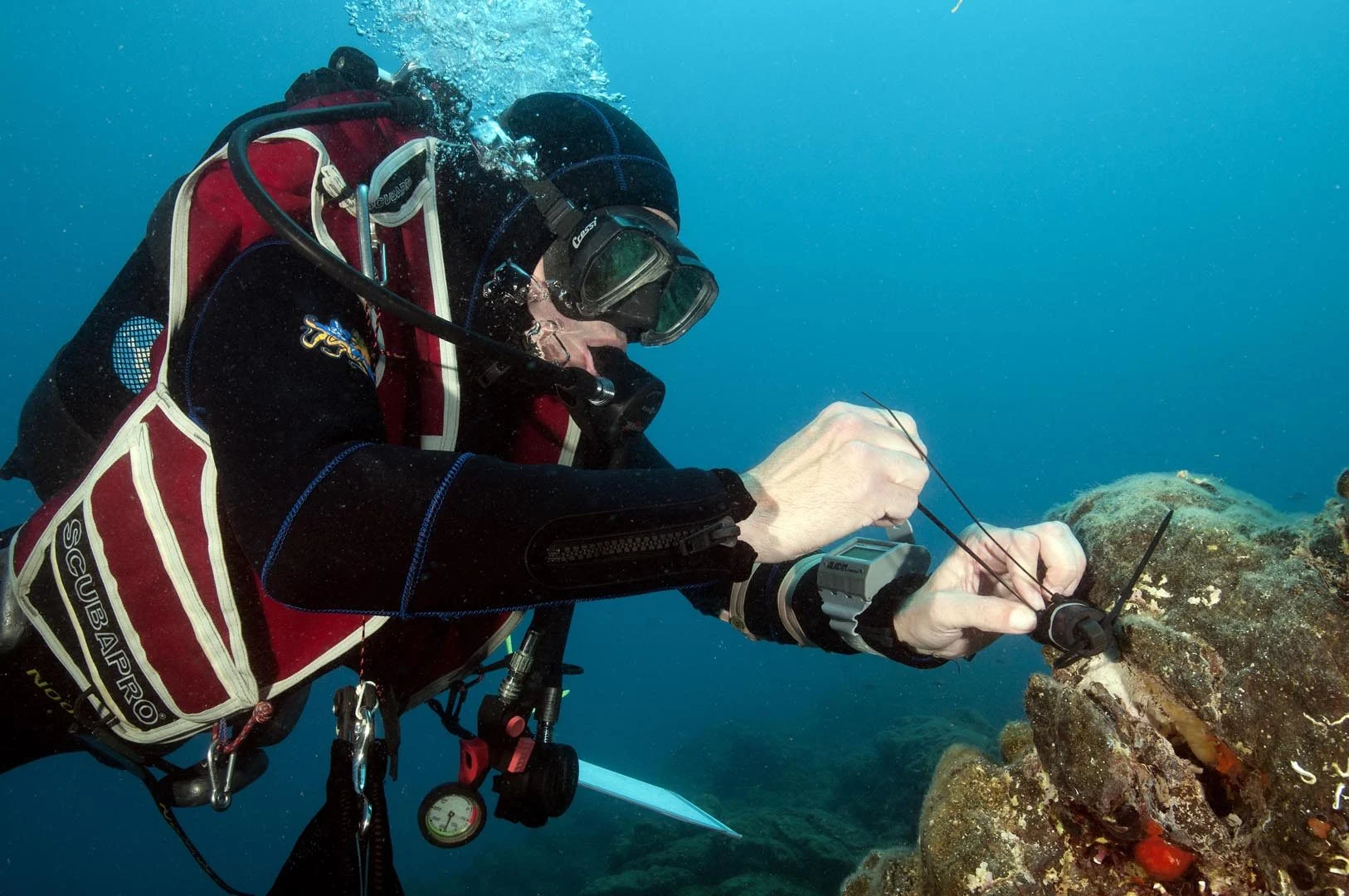
Photo: Akdeniz Koruma Vakfı Arşivi

At a glance

  1. Climate change refers to ongoing changes in climate patterns that are largely triggered by the increase in greenhouse gas levels as a result of human activities.

  2. If greenhouse gas emissions continue at the current rate, it is projected that global warming will exceed the 1.5ºC limit between 2030 and 2052.

  3. Oceans absorb about a quarter of the CO₂ emissions released into the atmosphere, leading to ocean acidification.

  4. Responses at global, regional and local levels are critical in the fight against climate change.

  5. Since 2015, we have been measuring sea temperatures to monitor the impacts of the climate crisis on the seas.

1,0ºC
Warming caused by humans compared with the pre-industrial period (IPCC 1.5ºC report)
1,5ºC
The limit that global warming is projected to exceed between 2030 and 2052
dörtte biri
Share of the CO₂ emissions released into the atmosphere that the oceans absorb (approximately)

Factors Triggering Climate Change

Climate change refers to ongoing changes in climate patterns that are largely triggered by the increase in greenhouse gas levels as a result of human activities. This significant environmental issue is transforming weather conditions, temperatures, and ecosystems worldwide, affecting both terrestrial and marine habitats. For example, according to the IPCC's 1.5ºC report, humans have caused the Earth's temperature to rise by approximately 1.0ºC compared to pre-industrial levels. If greenhouse gas emissions continue at the current rate, it is projected that global warming will exceed the 1.5ºC limit between 2030 and 2052.

Effects of Climate Change

  • Rising sea temperatures

    Rising sea temperatures warm the oceans, altering marine ecosystems and the life cycles of species within them. This increase in temperature leads to the destruction of coral reefs, which support various life forms in the seas and are a source of biodiversity.

  • Expanding seawater

    The expansion of seawater due to heat absorption and the melting of glaciers leads to rising sea levels. This poses risks to low-lying areas, increases the frequency of flooding events, causes habitat loss, and affects coastal agriculture.

  • Ocean acidification

    Oceans absorb about a quarter of the CO₂ emissions released into the atmosphere, leading to ocean acidification . This chemical change disrupts the balance of marine ecosystems, negatively impacting marine life such as plankton, molluscs, and corals.

  • Temperature changes

    Temperature changes negatively impact the reproduction, migration patterns and overall survival chances of marine species. As a result, fish populations may migrate to colder waters, affecting fishing industries and people's livelihoods. In addition, when the waters from which marine species transported by human activities originate warm up, these species finding new habitat can create pressure on local species.

  • Warming sea surfaces

    Warming sea surfaces lead to more frequent and intense storms, causing significant damage to coastal structures and ecosystems. These storms contribute to coastal erosion and result in the mixing of saltwater into freshwater sources.

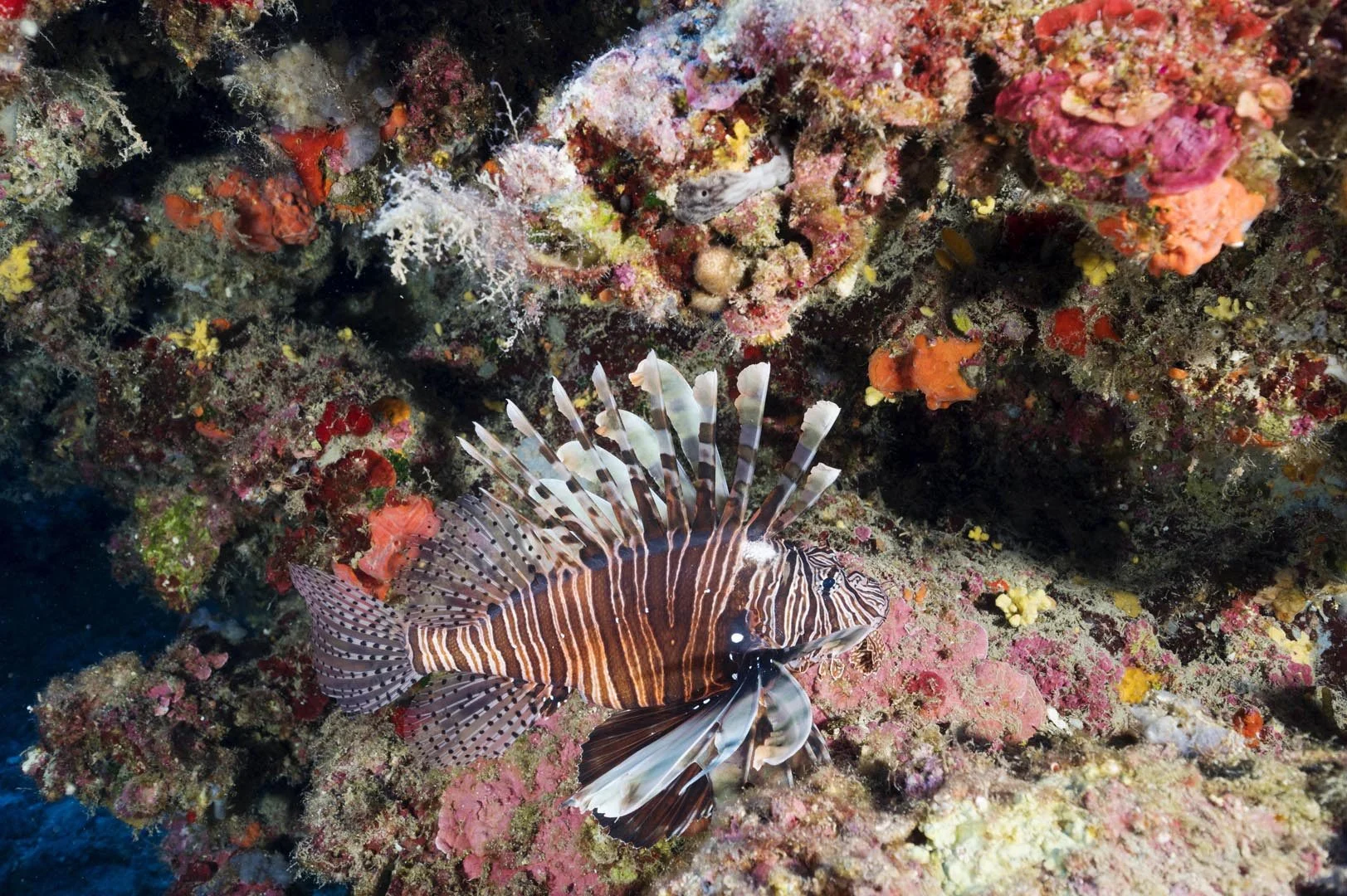
A lionfish with its fins spread in front of a rocky reef covered in colourful sponges
Photo: Akdeniz Koruma Vakfı Arşivi

Necessary Actions to Combat Climate Change

  1. Global

    Responses at global, regional, and local levels are critical in the fight against climate change. At the global level, international agreements like the Paris Agreement aim to reduce greenhouse gas emissions and limit warming by transitioning to renewable energy sources. Additionally, measures such as marine protected areas, which monitor ocean health and conserve biodiversity, require global cooperation.

  2. Regional

    Regional initiatives promote collaboration to address challenges faced in the field. These partnerships can create policies tailored to each region's needs, aiming to reduce pollution levels, promote sustainable fishing practices, and develop disaster response plans.

  3. Local

    Local engagement plays a role by implementing regulations for coastal development that minimise habitat destruction and encourage sustainable tourism practices. Communities can participate in restoration efforts to protect and rebuild seagrasses (Posidonia oceanica) and other important habitats, which serve as barriers against storm surges and coastal erosion.

Climate Change

What we do

Marine protected areas

We support the designation of more Marine Protected Areas (MPAs) by the relevant authorities to protect biodiversity in the Mediterranean and enhance the resilience of ecosystems against climate change, and we share data obtained from our scientific monitoring studies with decision-makers to help identify these areas. We also implement the Marine Ranger System to support the effective protection of designated MPAs. Through our work in special environmental protection areas such as Gökova Bay, Fethiye-Göcek, Datça-Bozburun and Kaş-Kekova, we strive to ensure the continuity of marine ecosystems and leave healthy seas for future generations.
Monitoring sea temperature trends

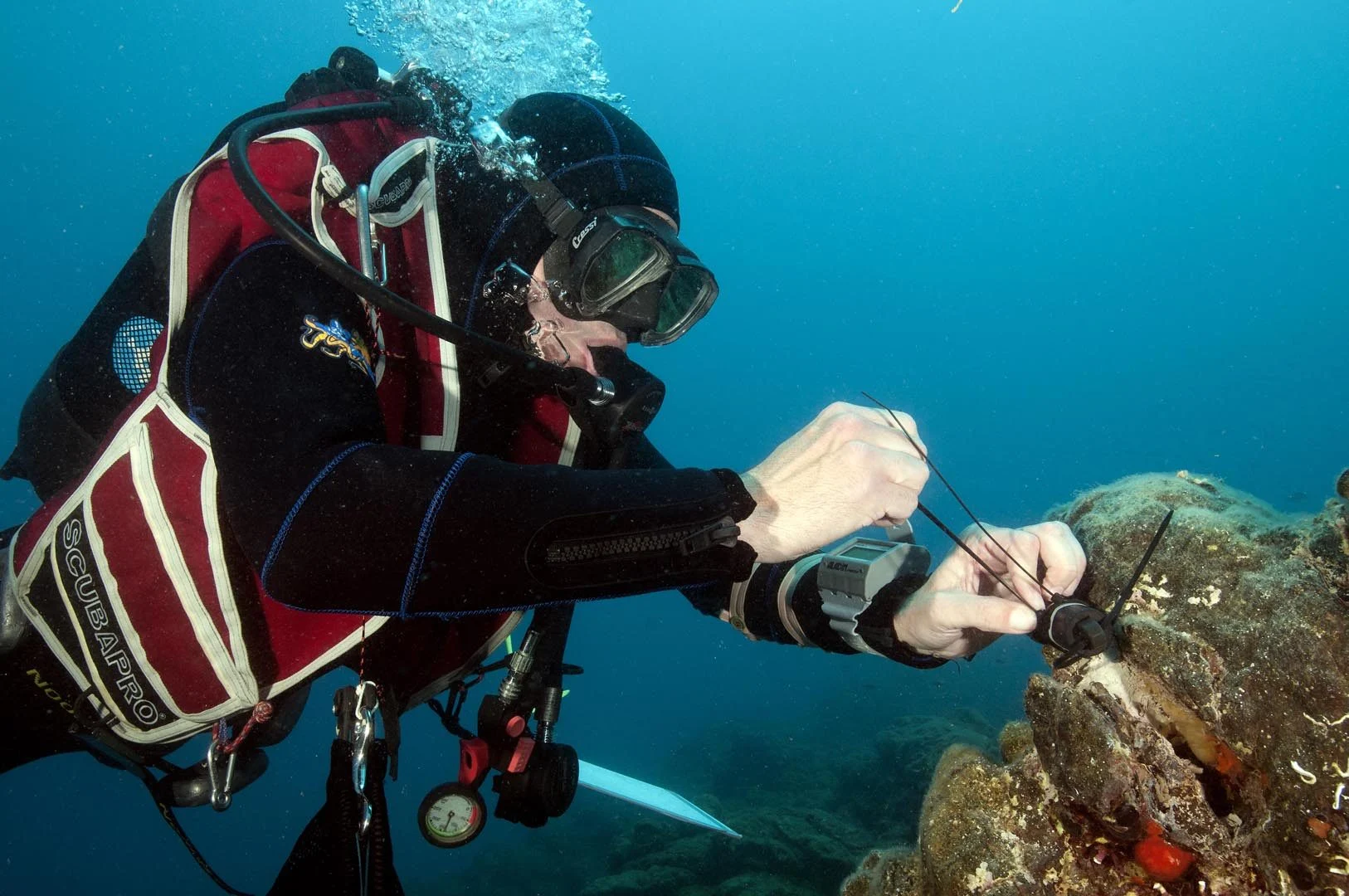
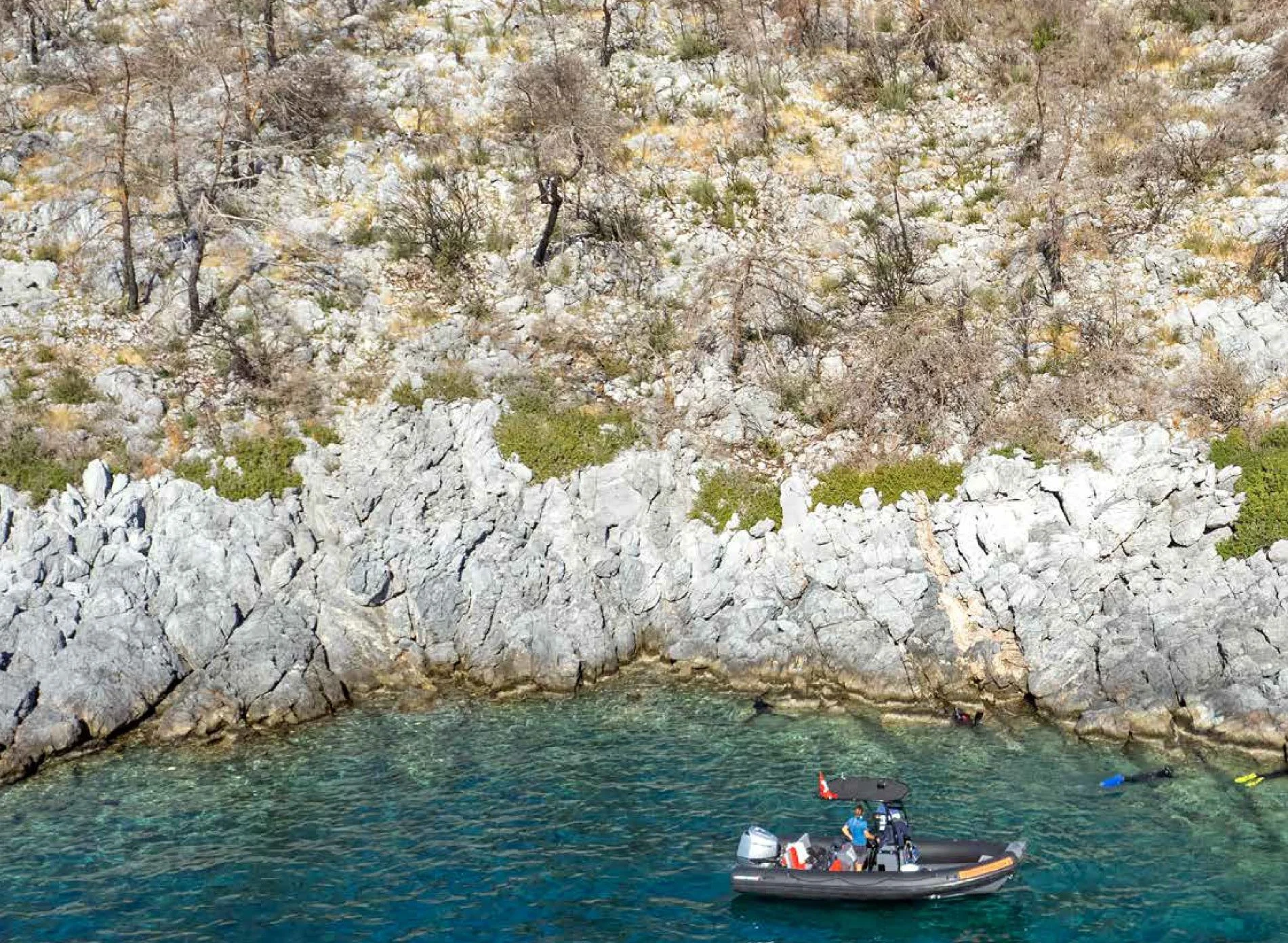
Since 2015, we have been measuring sea temperatures to monitor the impacts of the climate crisis on the seas. We initiated this work in Gökova Bay and have continued it in 2020 in Fethiye-Göcek and Kaş-Kekova, and in 2022 in the Datça-Bozburun Special Environmental Protection Areas. Our measurements are taken every 5 metres down to a depth of 40 metres from the surface.

Non-native species: the “New Fishes” programme

We are implementing our “New Fishes” programme, which aims to control invasive and alien species spreading in the Mediterranean and to create economic value from these species. As part of this programme, we are developing suitable fishing gear for fishers and conducting communication efforts to introduce these species to restaurants and consumers. Our goal is to reduce the pressure of invasive species on ecosystems and to enable small-scale fishers to generate economic income from these species.

Blue carbon

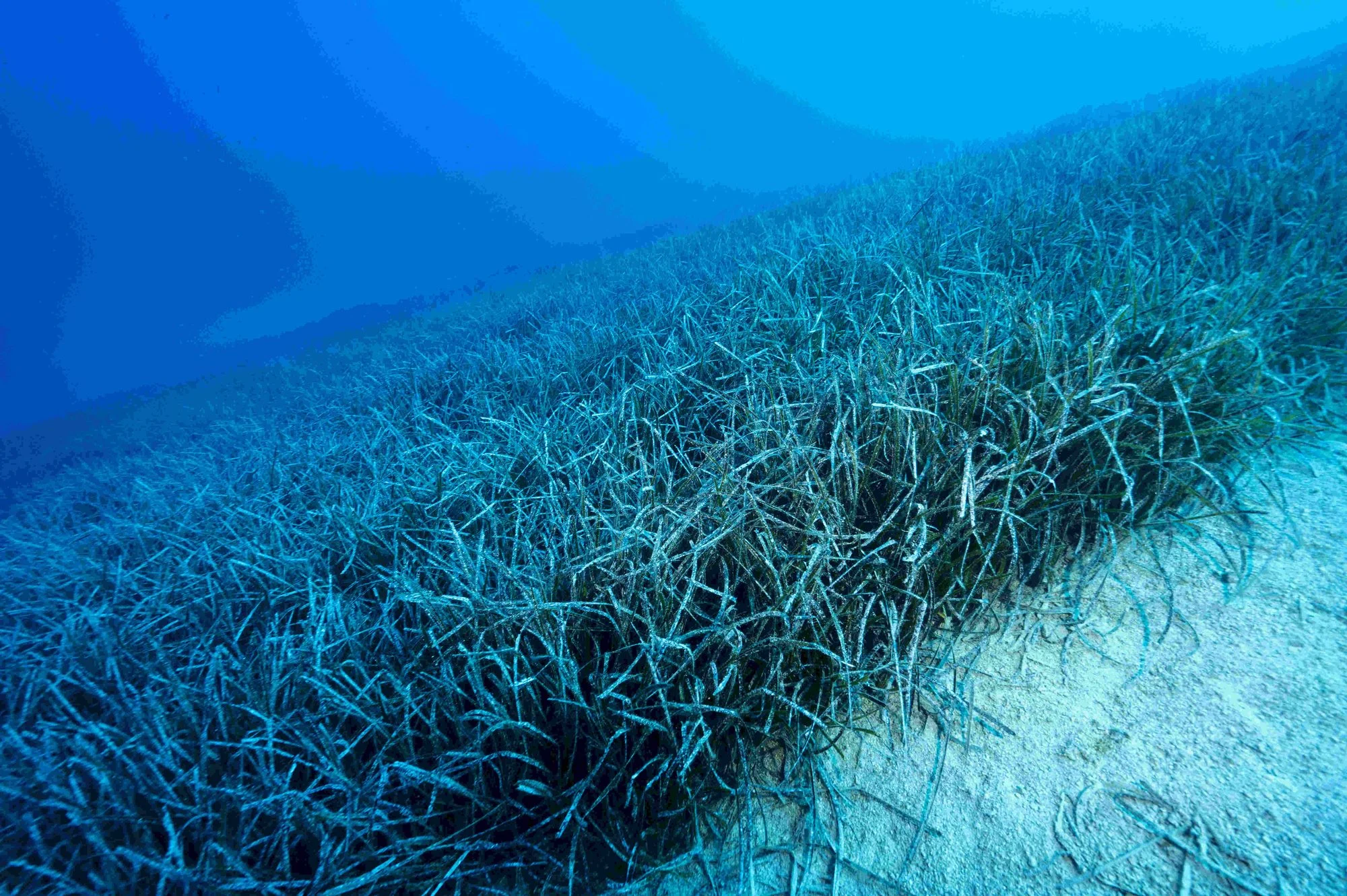
We are conducting efforts to protect and monitor seagrasses endemic to the Mediterranean, such as Posidonia oceanica, which serve as important carbon sinks. Through these efforts, we aim to contribute to the sustainability of marine ecosystems in the Mediterranean and enhance resilience against climate change.

Impact of forest fires

We conduct research to monitor the effects of forest fires on marine and terrestrial ecosystems. In particular, we are trying to determine the impact on acidification of ash transported to the seas following fires, such as those that occurred along Türkiye's Southern Aegean coasts, as well as the effects of these fires on endemic species such as the Marmaris salamander.

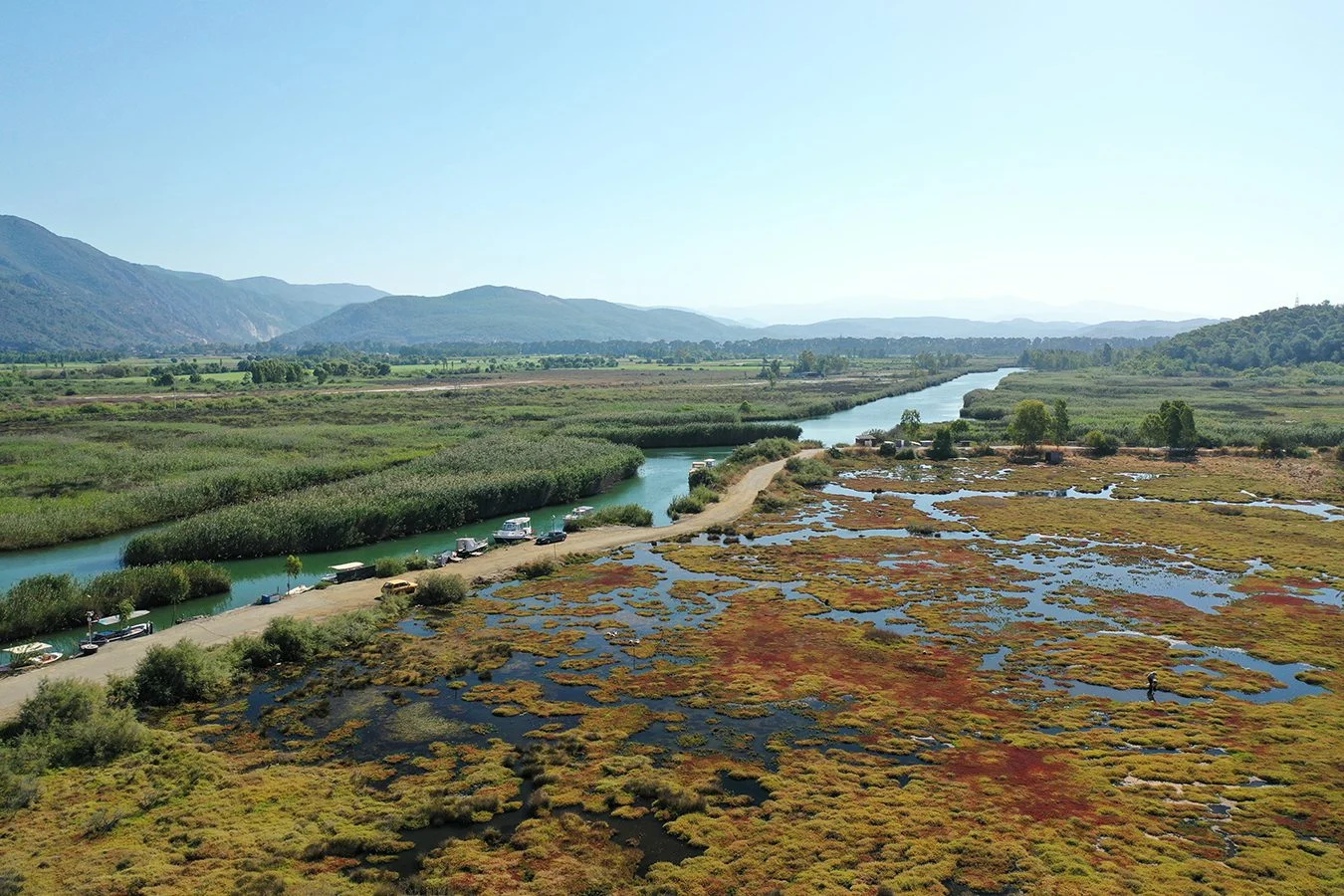
Wetlands

We are working on the protection and restoration of wetlands by identifying wetland and buffer areas in Gökova and collaborating with local stakeholders to preserve biodiversity in these areas. We recognise that wetlands are vital for both terrestrial and marine species, and we adopt the conservation of these areas as an important strategy against the climate crisis.

01Marine protected areas

We support the designation of more Marine Protected Areas (MPAs) by the relevant authorities to protect biodiversity in the Mediterranean and enhance the resilience of ecosystems against climate change, and we share data obtained from our scientific monitoring studies with decision-makers to help identify these areas. We also implement the Marine Ranger System to support the effective protection of designated MPAs. Through our work in special environmental protection areas such as Gökova Bay, Fethiye-Göcek, Datça-Bozburun and Kaş-Kekova, we strive to ensure the continuity of marine ecosystems and leave healthy seas for future generations.
02Monitoring sea temperature trends

Since 2015, we have been measuring sea temperatures to monitor the impacts of the climate crisis on the seas. We initiated this work in Gökova Bay and have continued it in 2020 in Fethiye-Göcek and Kaş-Kekova, and in 2022 in the Datça-Bozburun Special Environmental Protection Areas. Our measurements are taken every 5 metres down to a depth of 40 metres from the surface.

03Non-native species: the “New Fishes” programme

We are implementing our “New Fishes” programme, which aims to control invasive and alien species spreading in the Mediterranean and to create economic value from these species. As part of this programme, we are developing suitable fishing gear for fishers and conducting communication efforts to introduce these species to restaurants and consumers. Our goal is to reduce the pressure of invasive species on ecosystems and to enable small-scale fishers to generate economic income from these species.

04Blue carbon

We are conducting efforts to protect and monitor seagrasses endemic to the Mediterranean, such as Posidonia oceanica, which serve as important carbon sinks. Through these efforts, we aim to contribute to the sustainability of marine ecosystems in the Mediterranean and enhance resilience against climate change.

05Impact of forest fires

We conduct research to monitor the effects of forest fires on marine and terrestrial ecosystems. In particular, we are trying to determine the impact on acidification of ash transported to the seas following fires, such as those that occurred along Türkiye's Southern Aegean coasts, as well as the effects of these fires on endemic species such as the Marmaris salamander.

06Wetlands

We are working on the protection and restoration of wetlands by identifying wetland and buffer areas in Gökova and collaborating with local stakeholders to preserve biodiversity in these areas. We recognise that wetlands are vital for both terrestrial and marine species, and we adopt the conservation of these areas as an important strategy against the climate crisis.

Climate Change

Subtopics

Our work on this topic

Next steps

We need your support to keep this work going.