

 Topic
Our work
Along the Mediterranean coast we strengthen marine protected areas, monitor species and work together with local fishers. On this page you can find what we do, where, and through which projects.
What do we work on?
- Topic
 Topic
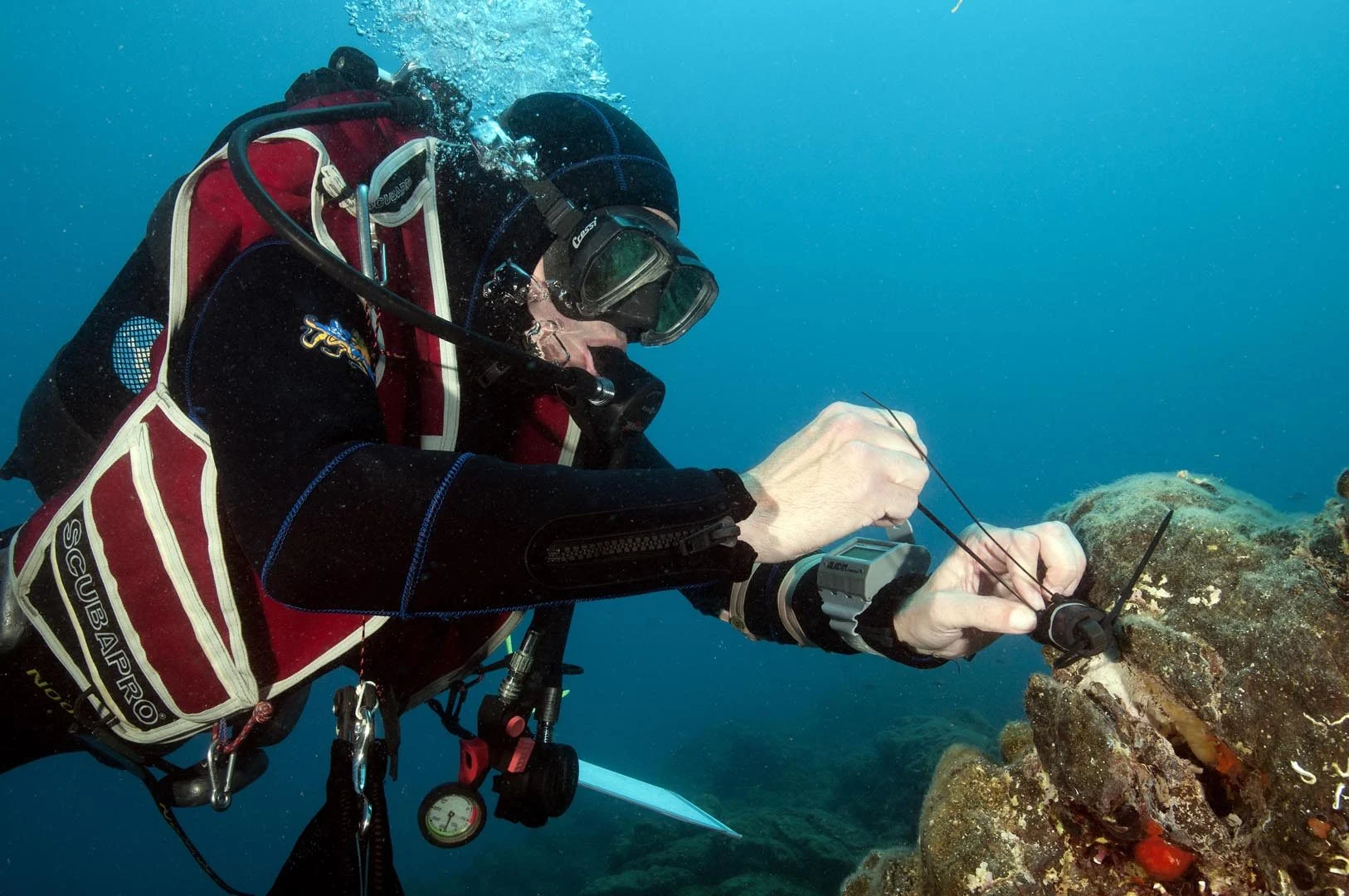
Climate Change
Climate change refers to ongoing changes in climate patterns that are largely triggered by the increase in greenhouse gas levels as a result of human activities.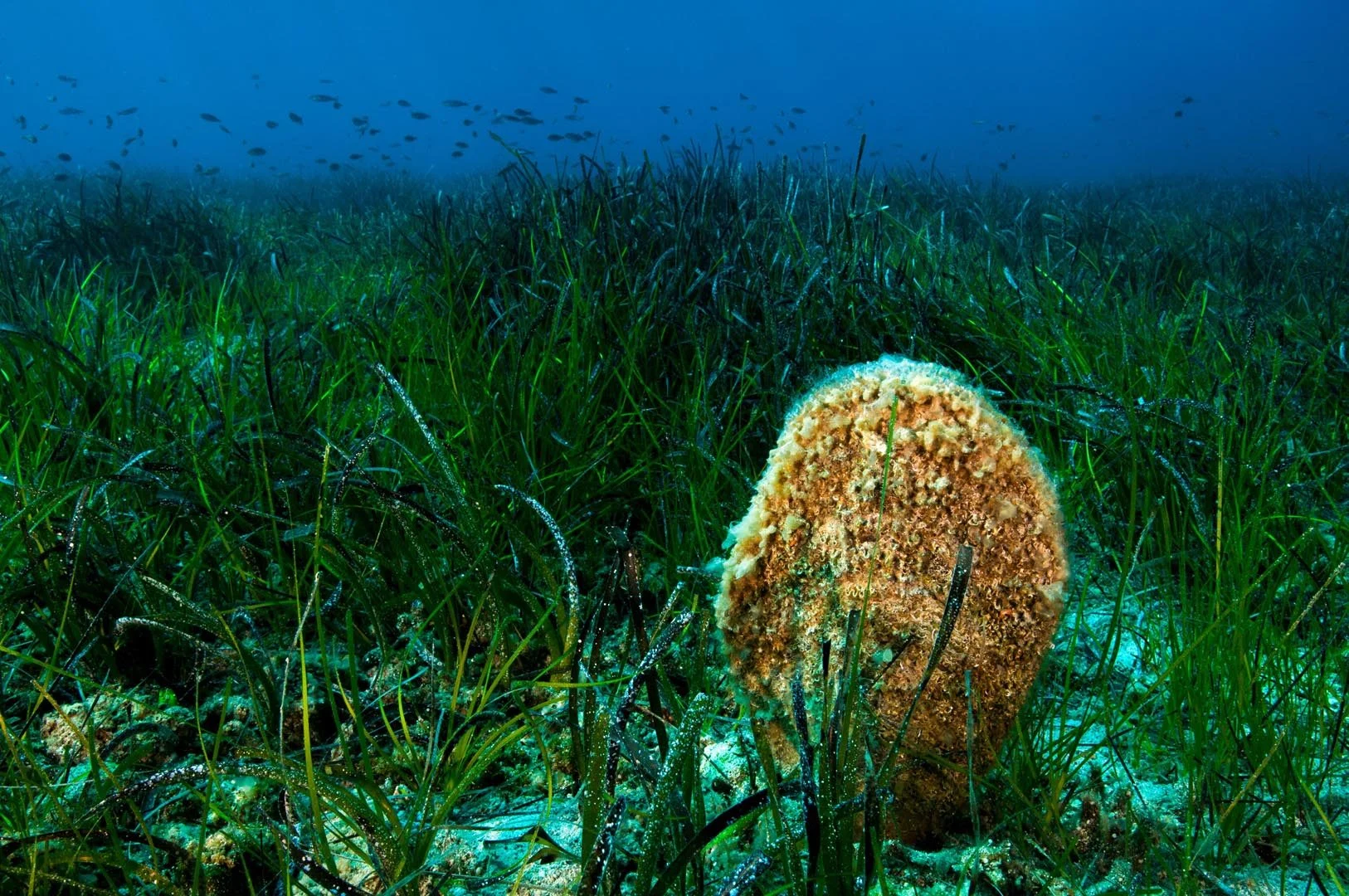 Topic
Marine Species
Our work is informed by the Global Aims for Sustainable Development agreement, comprising 17 articles outlining aims that countries worldwide seek to attain by 2030.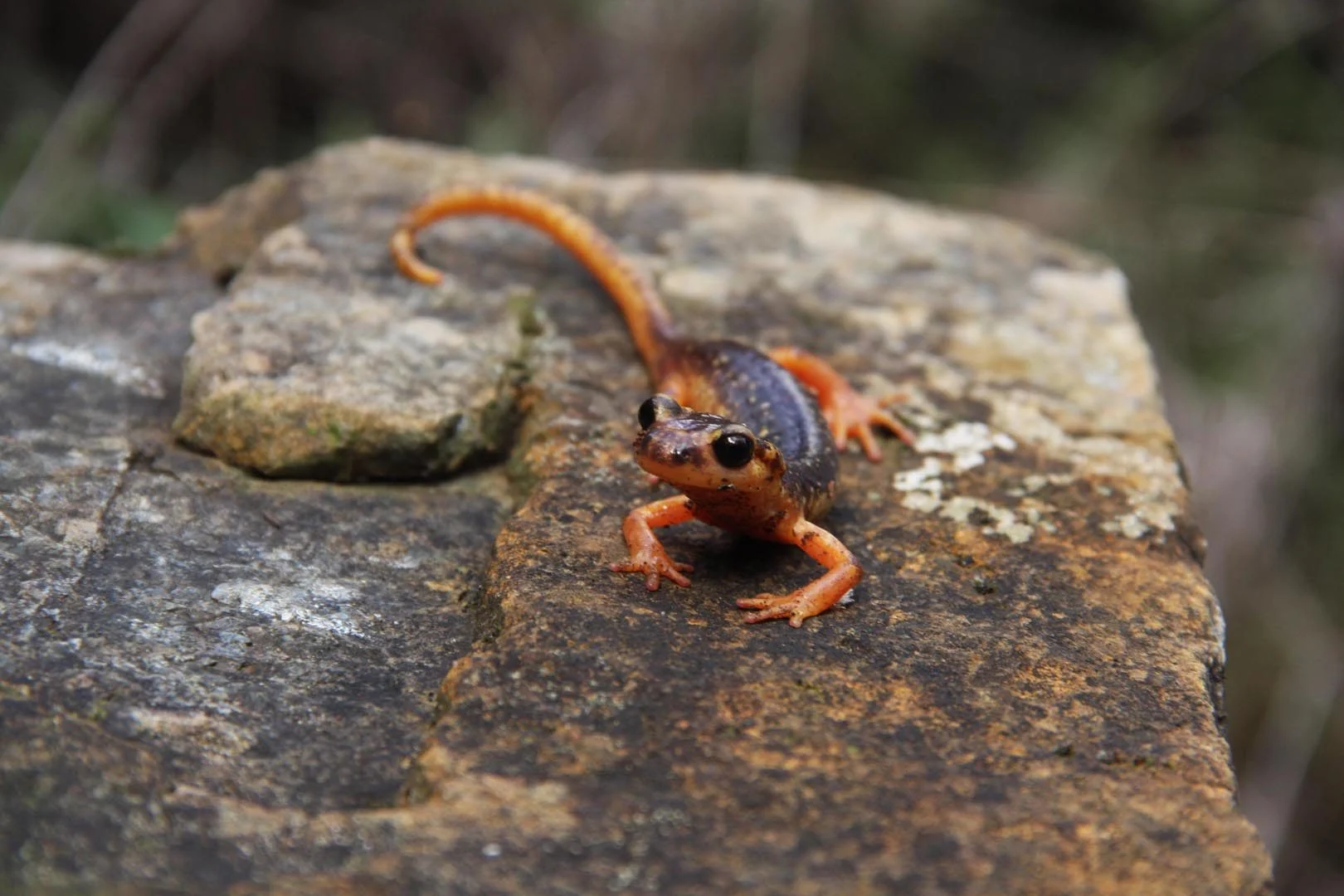 Topic
Terrestrial Species
Our work is informed by the Global Goals for Sustainable Development, comprising 17 goals that Türkiye and countries worldwide seek to attain by 2030.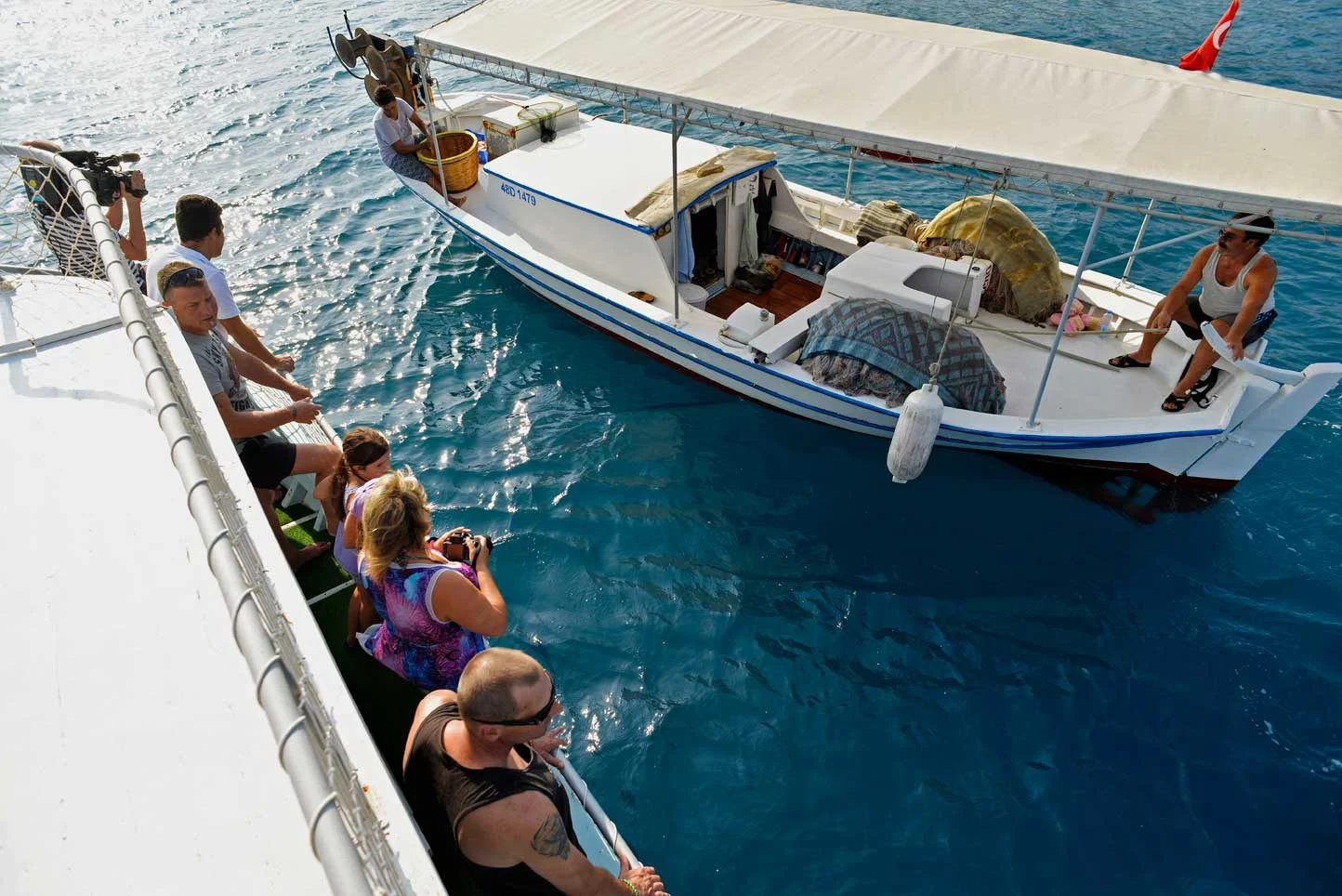 Topic
Fisheries
The number of small-scale fishers who still sustain traditional coastal fishing in Türkiye is steadily decreasing.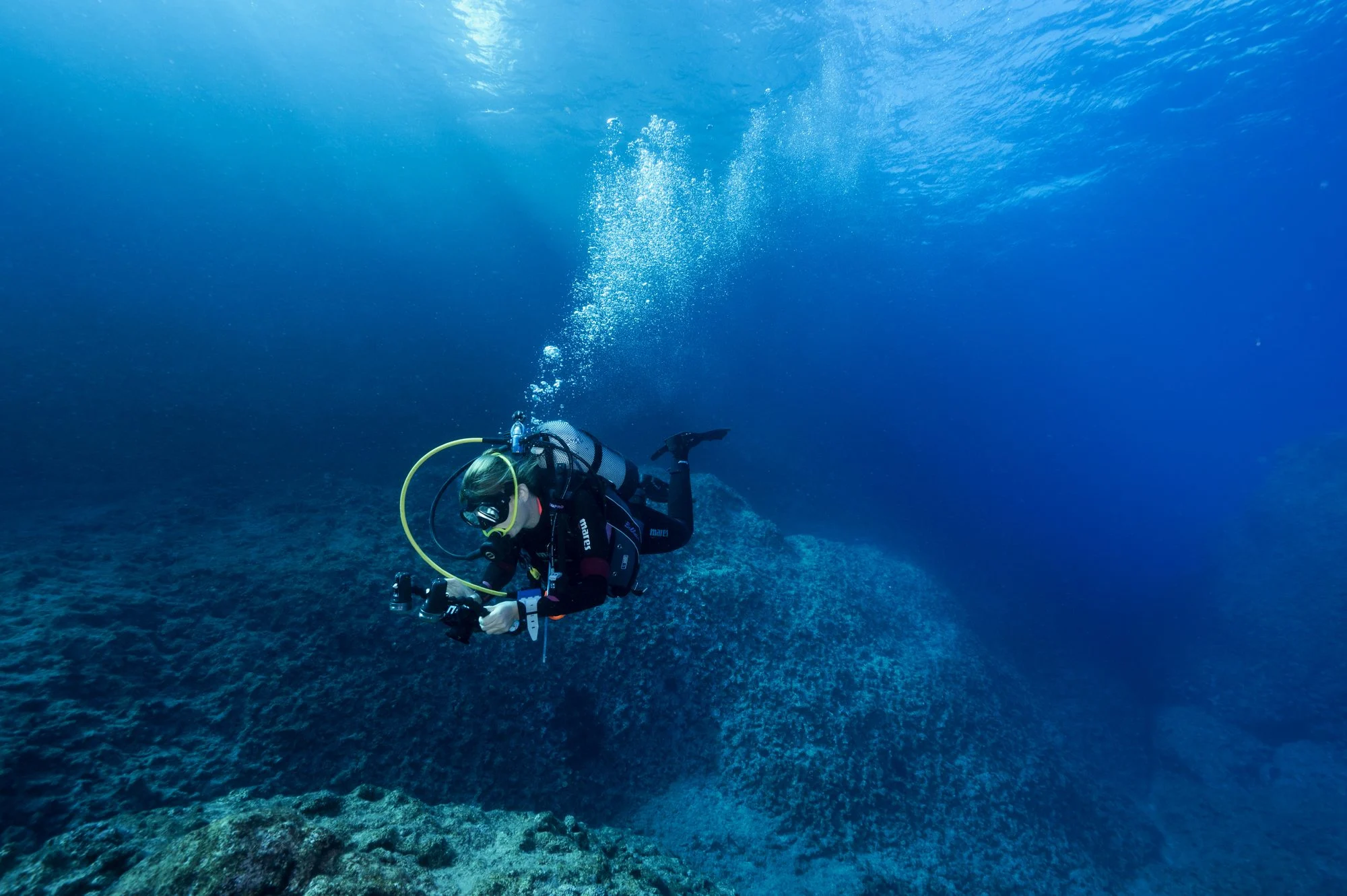 Topic
Trainings
Training programmes prepared by experts in their fields, within the body of the Mediterranean Conservation Foundation, are implemented.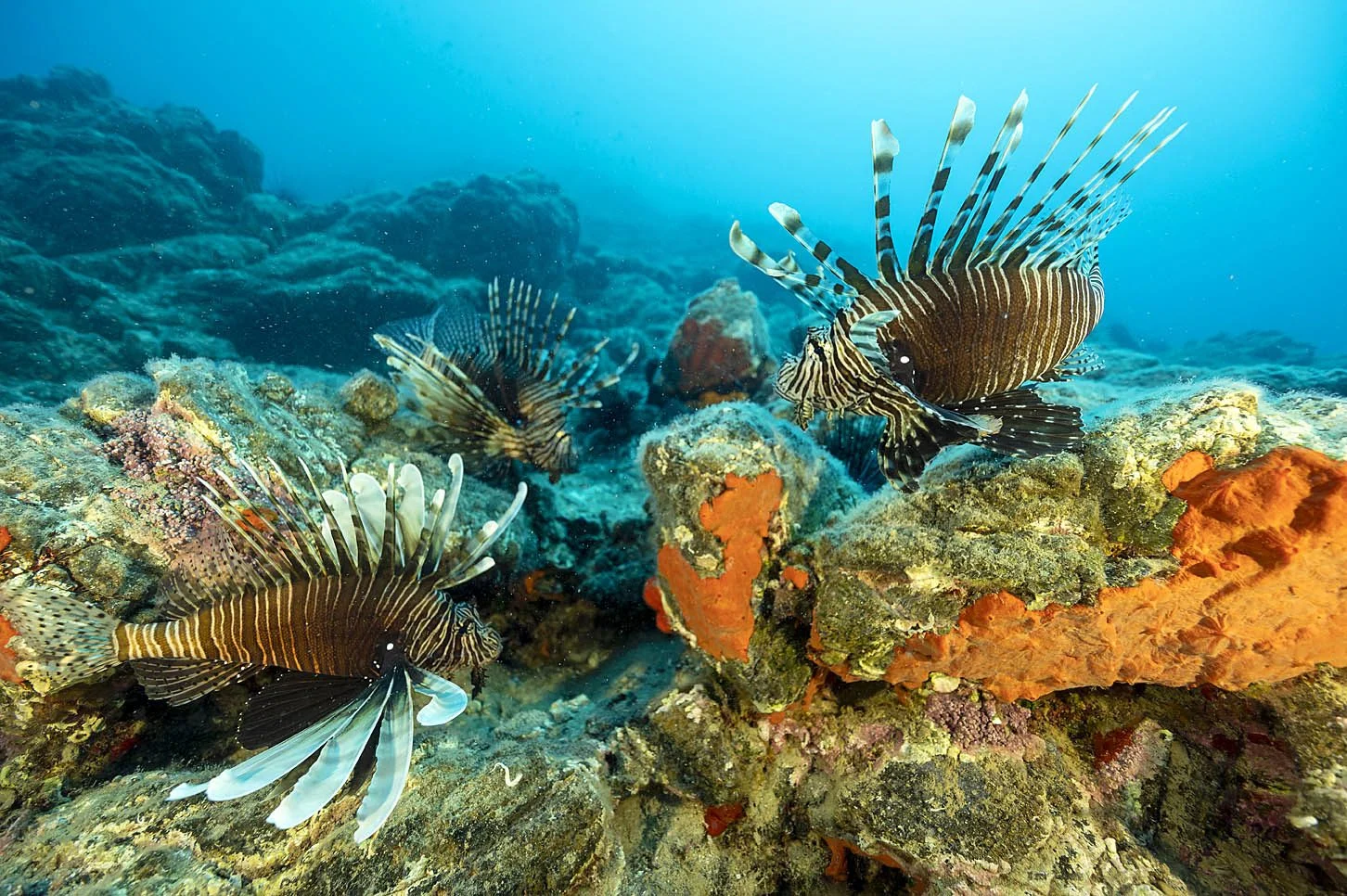 Topic
Ecosystem Restoration
The concept of ecosystem restoration can be defined as the ‘process of assisting the recovery of a degraded, damaged or destroyed ecosystem’.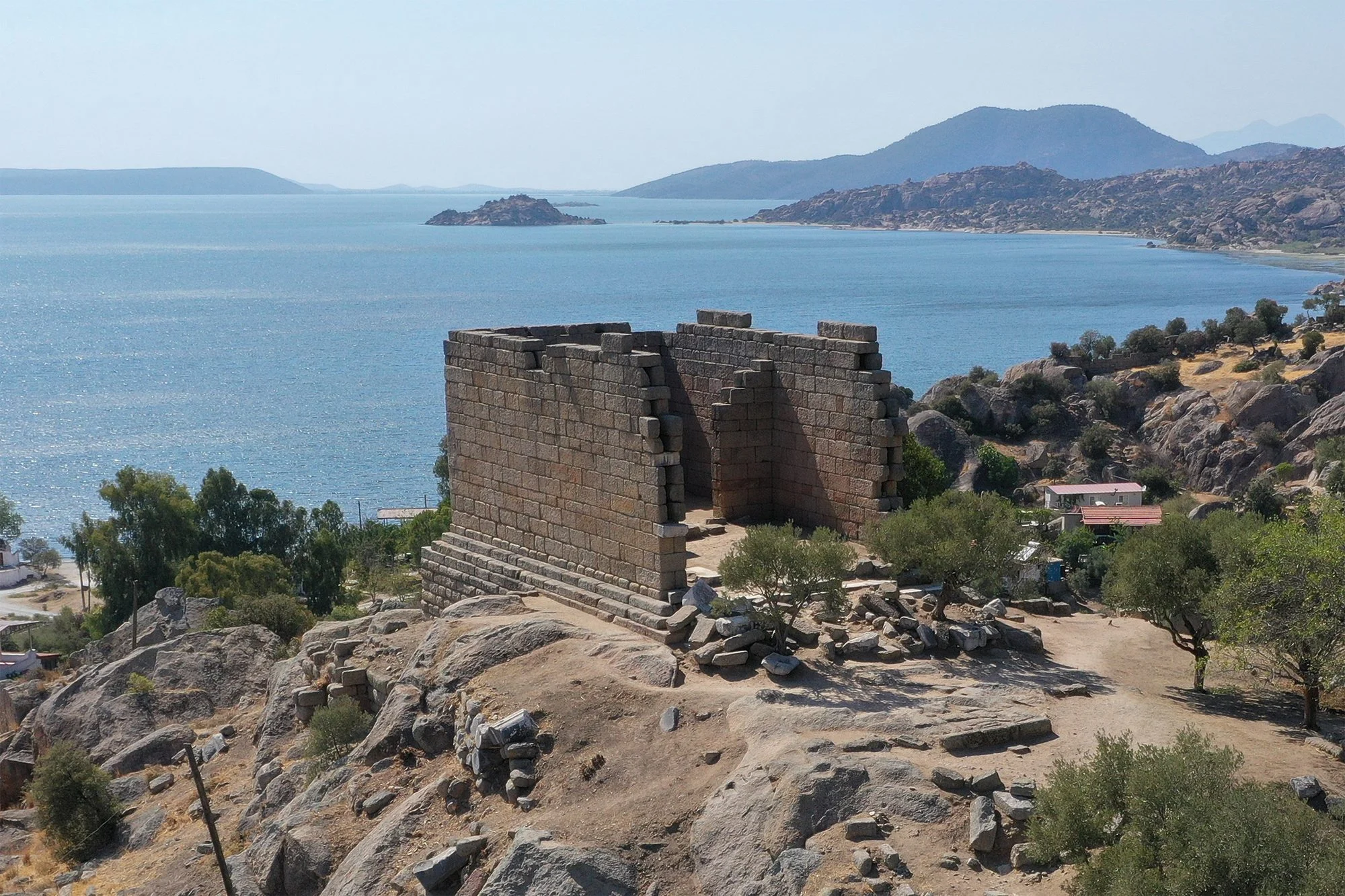 Topic
Preservation of Cultural Heritage
Cultural heritage does more than preserve traces of the past; it also strengthens societies' sense of identity, belonging and resilience.
Where we work
Four conservation areas on the coasts of Muğla and Antalya, where we have been in the field for many years.
 Location
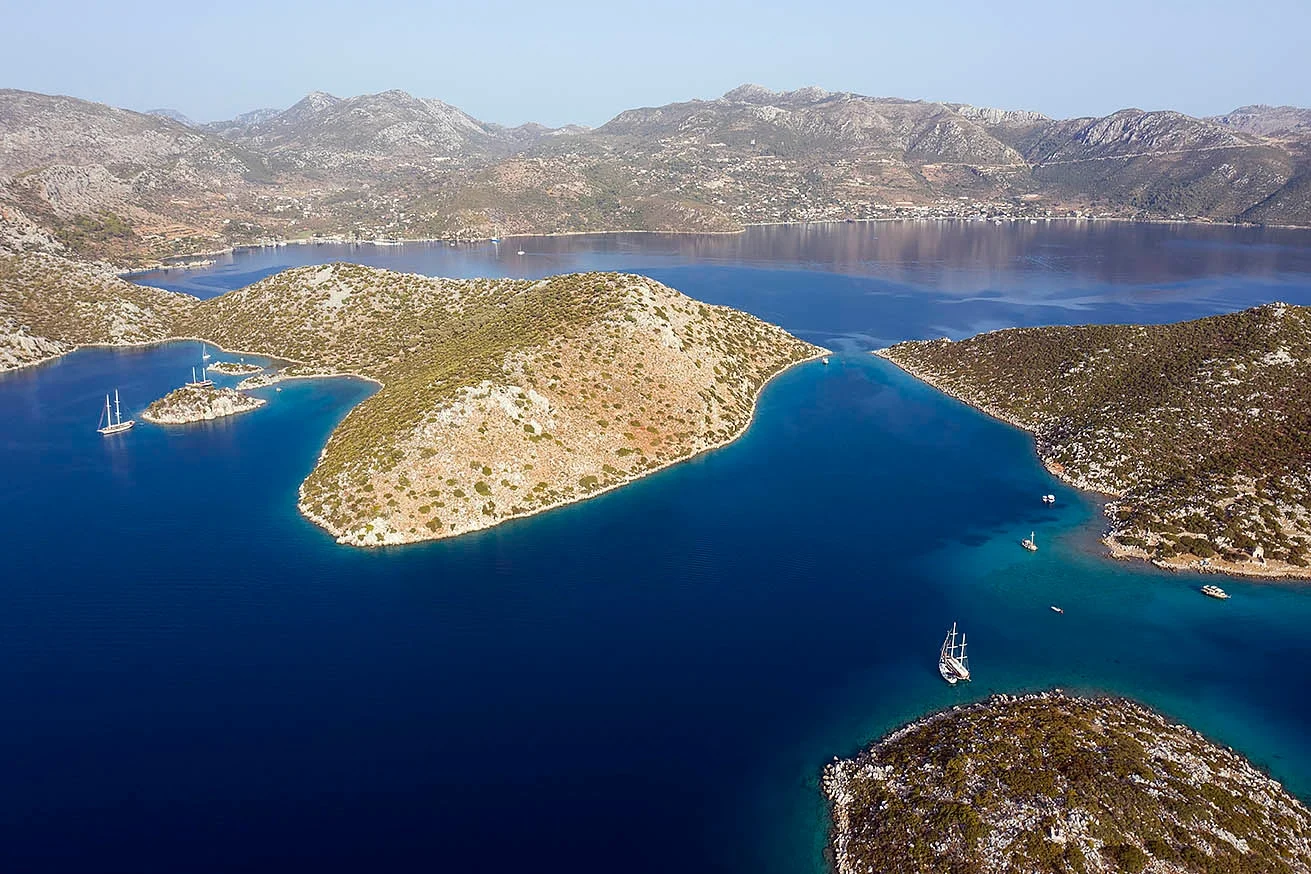
Datça-Bozburun
A long-term conservation area that addresses rich marine biodiversity, coastal culture and small-scale fishing together.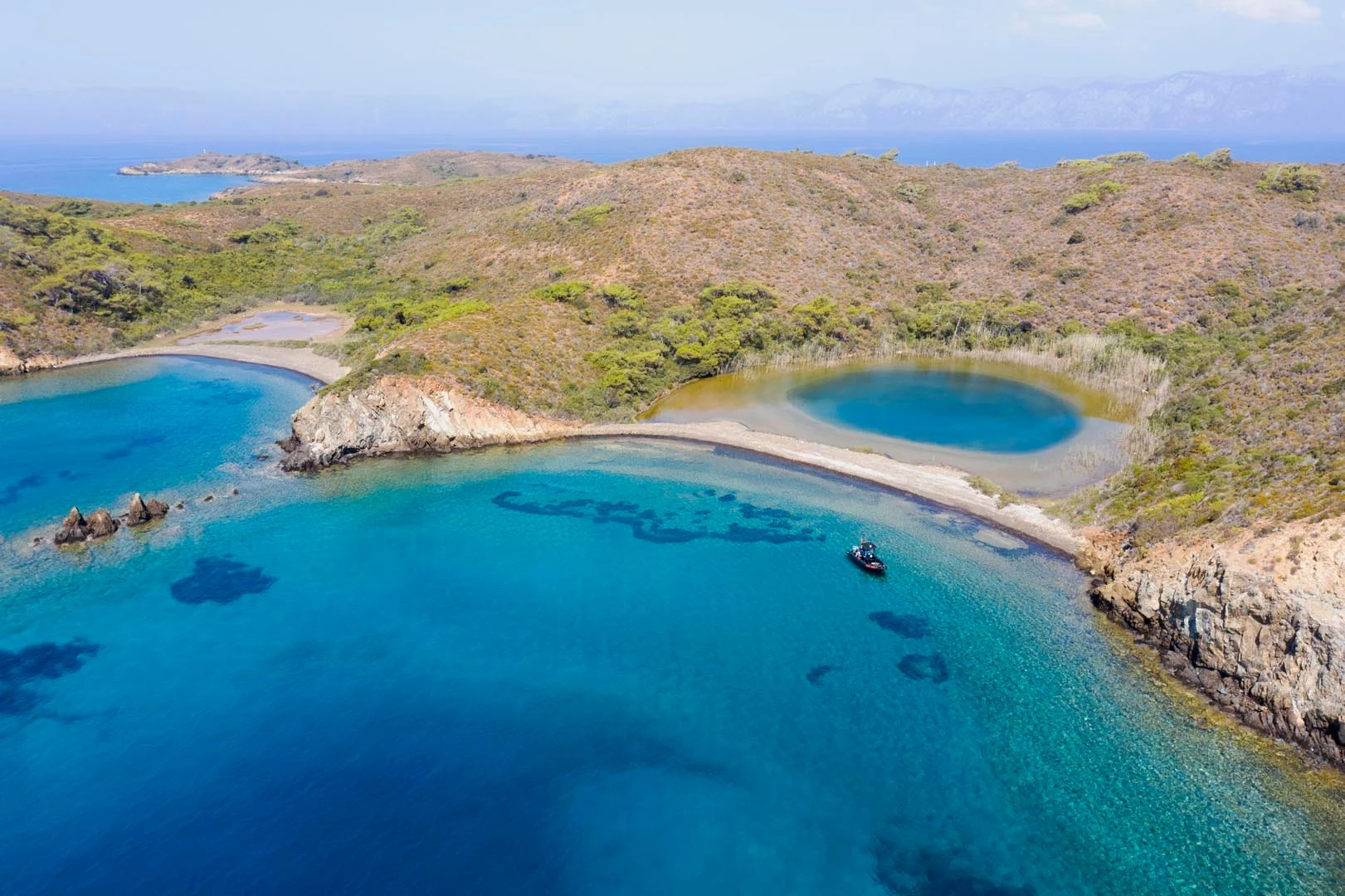 Location
Gökova Bay
A bay that is home to about 73% of the fish species recorded in Turkish waters, has been protected by six no-take zones since 2010 and is held up as an example to the world today.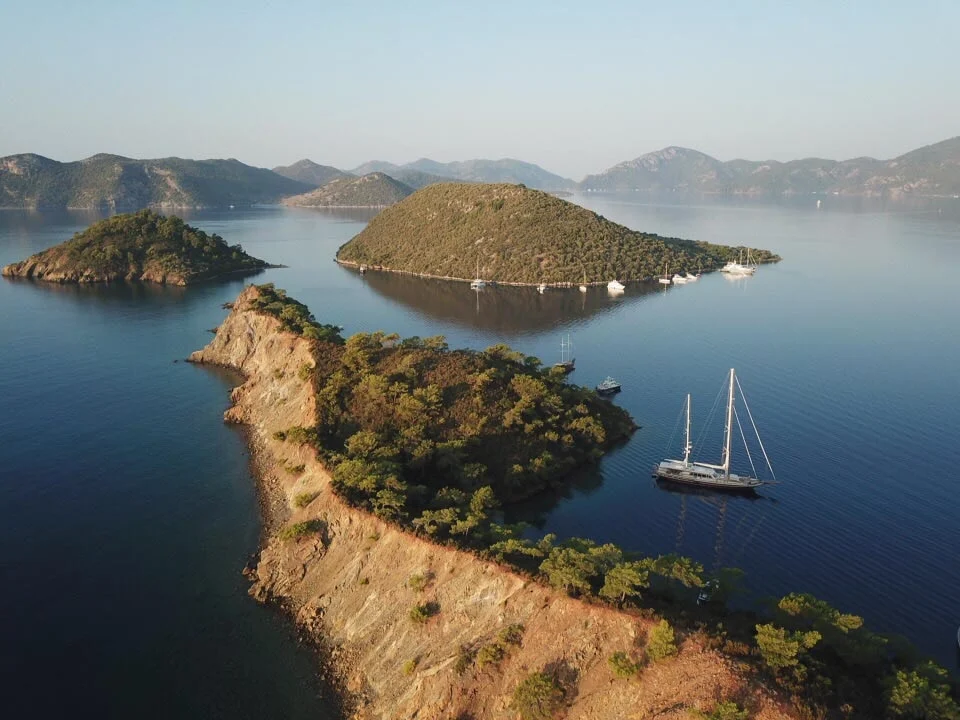 Location
Fethiye-Göcek
One of Türkiye's special environmental protection areas: a gulf that is home to about 1,500 species, including the Mediterranean monk seal and the dusky grouper, and protected by no-fishing zones since 2020.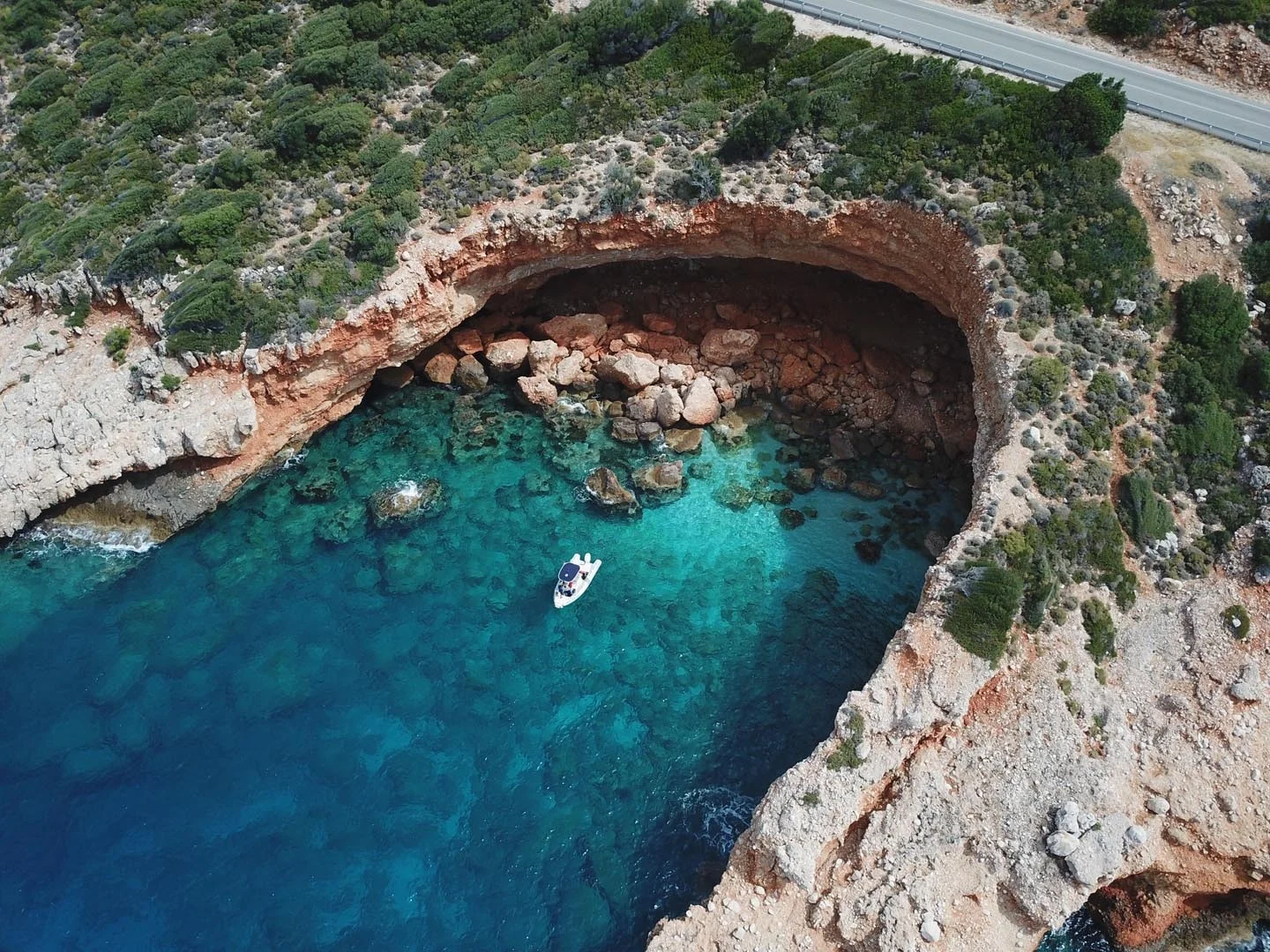 Location
Kaş-Kekova
A Special Environmental Protection Area of which 92 km² is sea; home to about 1,000 marine species, the Mediterranean monk seal and sea turtles.
Our projects
Work we carry out over a set period with specific goals.
- 2020–2025Strengthening Marine Protected Areas ProjectWork that strengthens the resilience to climate change of the marine protected areas stretching from Gökova Bay to Yedi Adalar in Antalya, and the benefit they provide to local communities.Gökova BayClimate Change
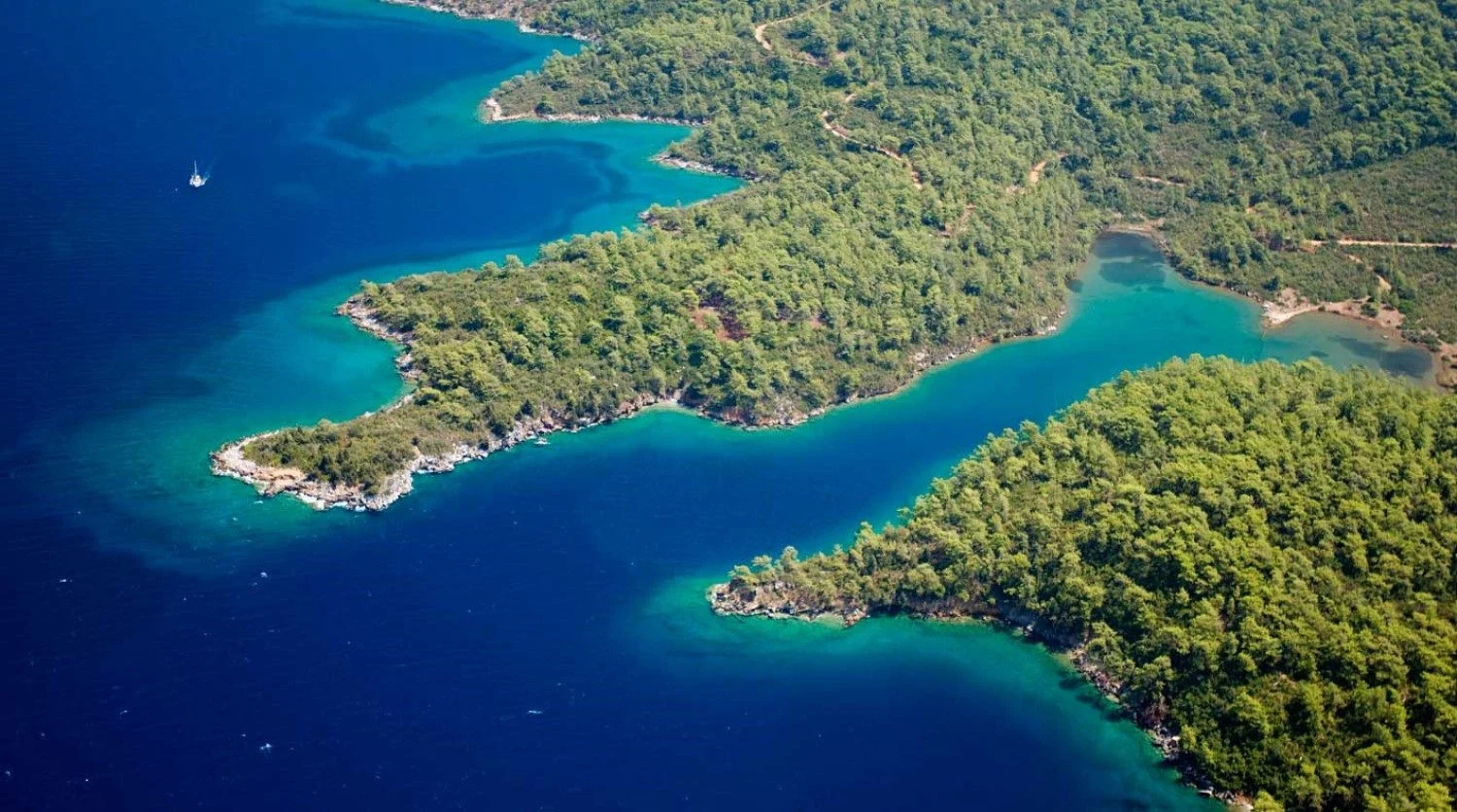 2020–2025Gökova Bay Shared Management ProjectWork is under way to implement the Gökova Special Environmental Protection Area (SEPA) Management Plan through a shared management approach.Gökova Bay
 2012–2024Ghost Net Busters ProjectThe Ghost Net Busters Project was implemented to remove ghost nets from the marine ecosystem and raise awareness of the issue in Gökova Bay, where they are often encountered.Gökova Bay · Fethiye-Göcek · Kaş-KekovaGhost netsEcosystem RestorationNo-Fishing Zones
 2015–2021New Fishes ProjectWith the voluntary participation of chefs from Kaş, Akyaka, Bodrum, Istanbul, İzmir and Ankara, new fish species, lionfish above all, have entered restaurant menus.Gökova BayNew FishEcosystem RestorationFisheries
 2017–2019Marmaris Salamander Monitoring and Population Research ProjectThe project aimed to determine the distribution of the Marmaris salamander (Lyciasalamandra flavimembis) and the threats to its habitat.Marmaris SalamanderTerrestrial Species
 2012–2013Anatolian Orchids ProjectThe Mediterranean Orchids Project was carried out in 2012-2013 to reduce the pressure from collection in the wild on orchid species in Gökova Bay (Muğla).Gökova BayOphrys lyciaTerrestrial Species
 2016–2024Assessment of the Mediterranean Monk Seal Population and Habitats ProjectCommunication and education activities have been carried out to raise awareness of the Mediterranean monk seal.Mediterranean monk sealMarine Species
 2019–2020Fortifying Marine Ecosystems in the Bay of Fethiye Against Climate Change and the Declaration and Monitoring of No-Fishing Marine Protected Zones ProjectThe Fethiye-Göcek Marine Protected Area has habitats that host very special and threatened species, and small-scale fishing is widely and traditionally practised there.Fethiye-GöcekNo-Fishing ZonesClimate Change
 ProjectProject for the Preservation of the Natural and Cultural Heritage of the Carian TrailThe Carian Trail, a route that intertwines historical remnants and nature in the Mediterranean, is being revitalised and safeguarded to ensure its preservation for future generations.Datça-BozburunPreservation of Cultural HeritageTerrestrial Species
 2025Green Light for Mediterranean WetlandsAlthough wetlands cover only about 2.5% of the Mediterranean Basin, they host more than one-third of all species.Gökova BayWetlandsClimate ChangeEcosystem Restoration
 2024 onwardsPlastic Pollution Monitoring and Awareness ProjectThe project aims to determine the extent and distribution of plastic pollution in surface waters and beach sediments.Datça-BozburunPlastic pollutionEcosystem Restoration
 ProjectIntegrating Marine and Cultural Conservation for Ecosystem Restoration in the Datça-Bozburun Special Environmental Protection Area ProjectThe Datça-Bozburun Special Environmental Protection Area (SEPA), in addition to its rich biodiversity, is one of the most important conservation areas in the Mediterranean thanks to its archaeological and cultural wealth.Datça-BozburunNo-Fishing ZonesEcosystem Restoration
 ProjectConserving Cartilaginous Fish Through Science and Art ProjectThe project aims to raise awareness and contribute to conservation efforts for shark and ray species through the blending of science and art.Marine Species
No records match this topic.