Work to reduce threats
Since 2016, the Mediterranean Conservation Foundation has been carrying out various activities to reduce the threats facing the species and their impacts.


Species · Marine Species
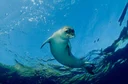
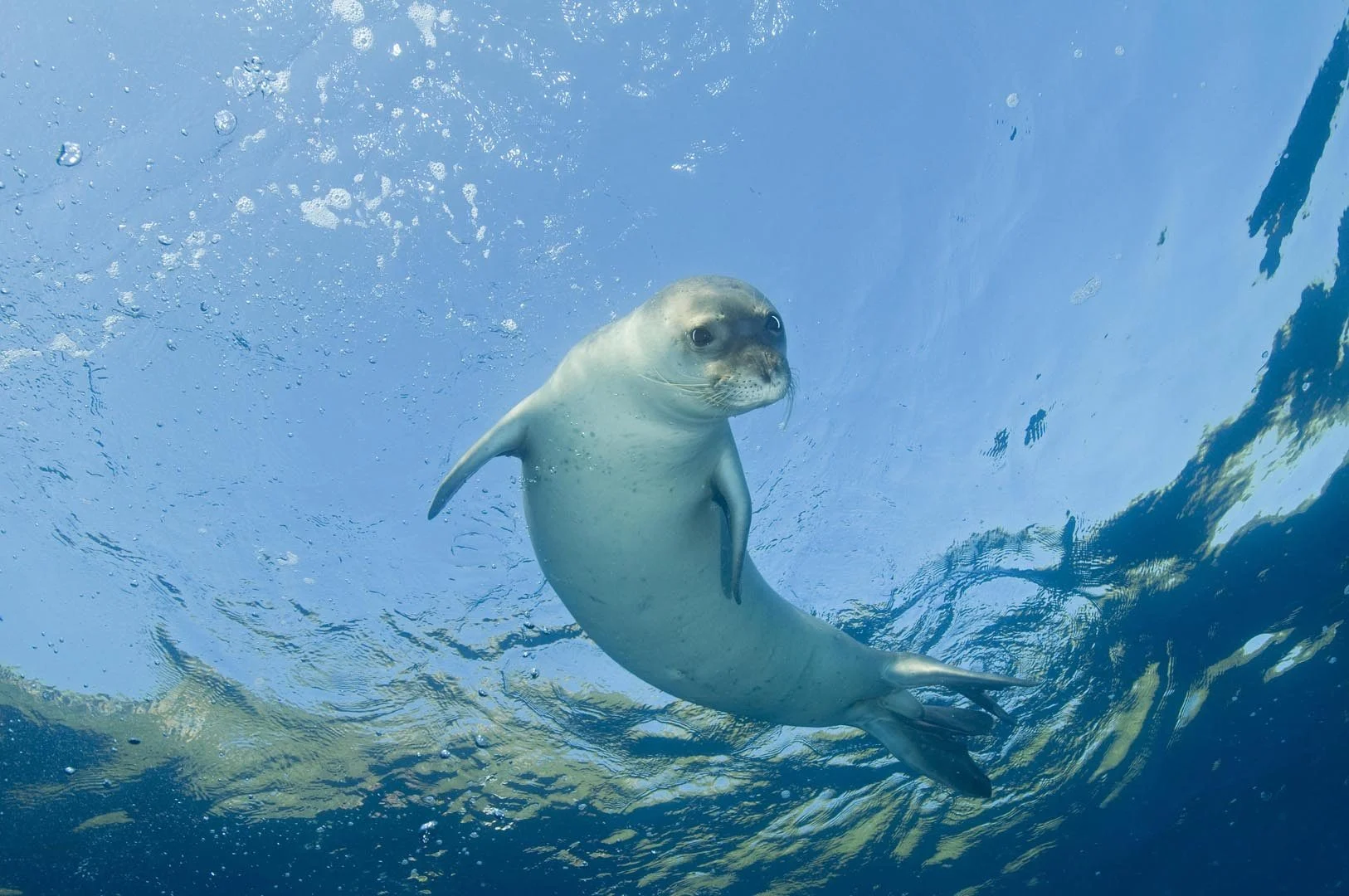
It is known that fewer than 1,000 Mediterranean monk seals live in the world today.
Photo: Akdeniz Koruma Vakfı Arşivi
According to the Red List of the International Union for Conservation of Nature (IUCN), the Mediterranean monk seal has been moved from “Endangered” to “Vulnerable (VU)” globally, but it is still classified as “Endangered (EN)” in the Eastern Mediterranean.
It is known that fewer than 1,000 Mediterranean monk seals live in the world today: 400–600 individuals in the Eastern Mediterranean, about 350 individuals in the Cabo Blanco (Cap Blanc) colony and fewer than 30 in the Madeira Archipelago.
Under the Land Hunting Law No. 4915 and the decision of the Central Hunting Commission, hunting and killing the Mediterranean monk seal has been strictly prohibited since 1977.
Since 2016, the Mediterranean Conservation Foundation has been carrying out various activities to reduce the threats facing the species and their impacts.
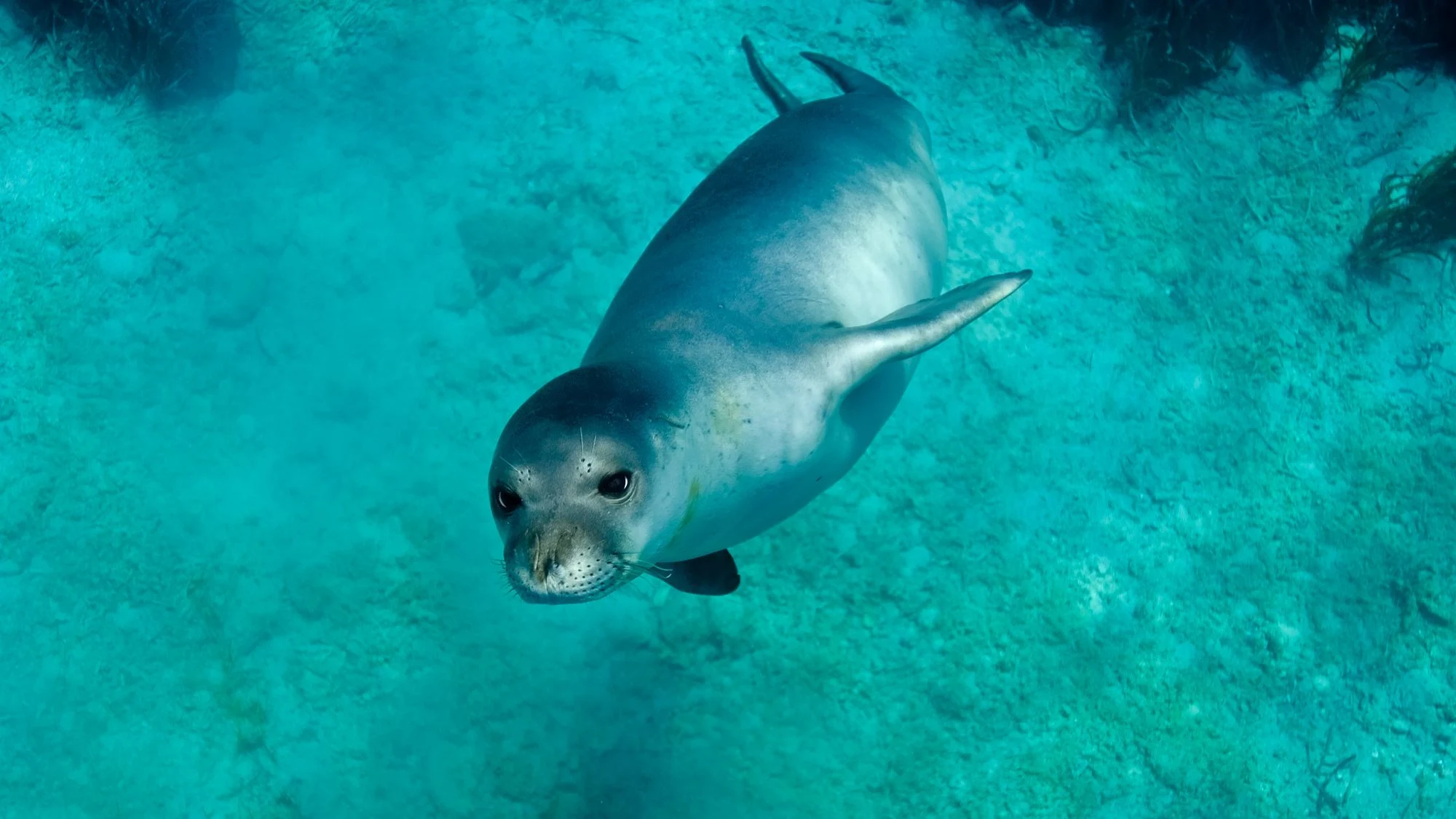
The Mediterranean monk seal (Monachus monachus) is currently classified under the subfamily Monachinae in the Monachini (monk seals) subgroup and is considered one of the most primitive and ancient forms of this lineage.
For this species
Since 2016, the Mediterranean Conservation Foundation has been carrying out various activities to reduce the threats facing the species and their impacts.
Through its monitoring work, the Foundation determines in which period of the year, how often and which coastal cave the Mediterranean monk seal uses for breeding and/or resting, while also working on individual identification. Thanks to this work, the number, sex and age groups of the individuals using the monitored caves are determined, and by establishing how often the species is exposed to possible dangers in the caves and the effects of these dangers, conservation work for the species is planned.
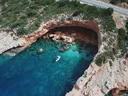
During a cave survey expedition in 2017, the Mediterranean Conservation Society identified a coastal cave. Apart from lacking a dry area, this cave had all the other features needed to be suitable for use by the Mediterranean monk seal. The Society decided to build an artificial platform in this cave using materials that do not harm nature, and this work was carried out for the first time in the world. The artificial platform was completed in July 2019, and a camera trap was then placed in the cave. Eight months later, a Mediterranean monk seal identified as a juvenile was recorded using the artificial platform for the first time. This development is of great importance because the number of caves that are far from human pressure and suitable as breeding caves is very limited. The artificial platform is still used by seals today, and the cave is known to be used by at least five different individuals.
Monitoring work carried out with the support of the Ministry of Environment, Urbanisation and Climate Change and the Ministry of Agriculture and Forestry provides important data for the conservation of the species. This information is reported to public institutions, contributing to the adoption of the necessary conservation measures.
The Foundation also organises awareness and education programmes for students and local communities, aiming to raise ecosystem awareness and a sense of responsibility for nature conservation.