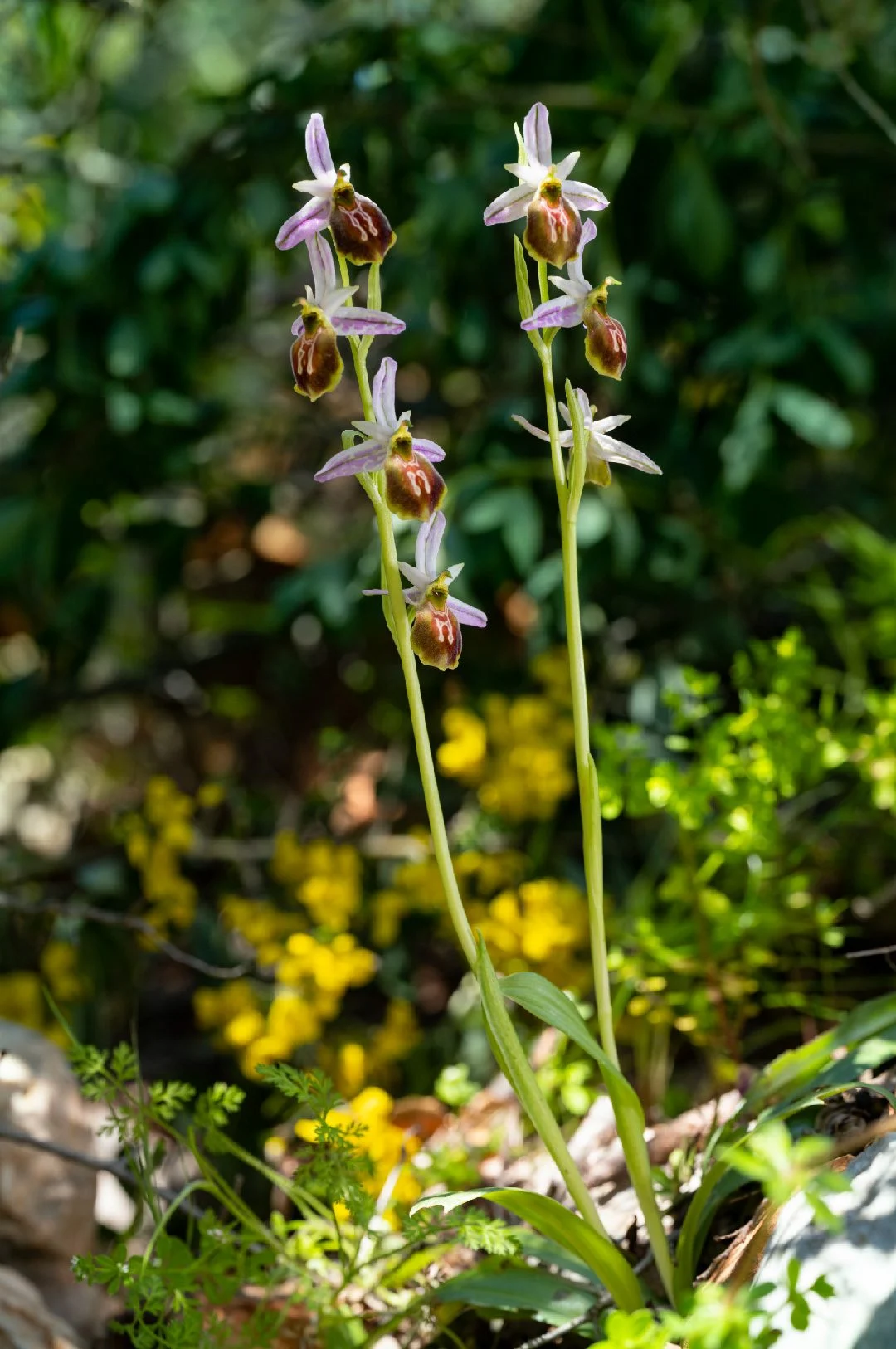
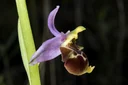
The Lycian orchid, scientifically Ophrys lycia, is an endemic orchid species found in the world only in and around the Kaş district of Antalya.
Photo: Akdeniz Koruma Vakfı Arşivi
At a glance
01
The Lycian orchid, scientifically Ophrys lycia, is an endemic orchid species found in the world only in and around the Kaş district of Antalya.
02
The wild population of the Lycian orchid is estimated to consist of fewer than 200 individuals.
03
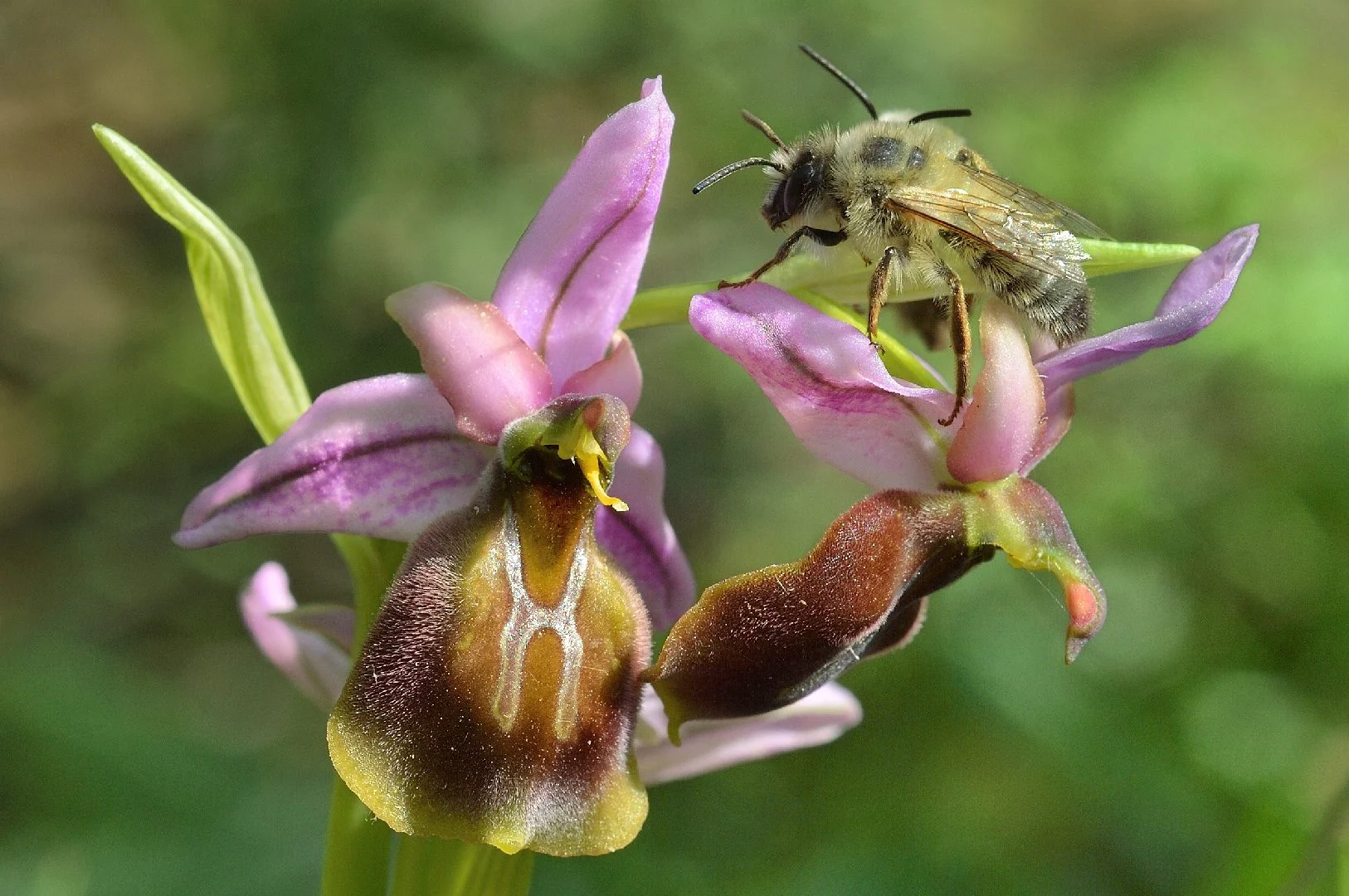
The flower mimics the appearance and scent of a specific bee species to attract its pollinator.
04
The project, carried out for nearly five years in collaboration between the Mediterranean Conservation Foundation and Ege University, aims to protect the Lycian orchid both in its natural habitat and under laboratory conditions.
05
In addition, genetic material collected from Ophrys lycia has been deposited in the National Seed Gene Bank, ensuring the species' long-term conservation.
200'ün altında
Estimated number of Lycian orchid individuals in the wild
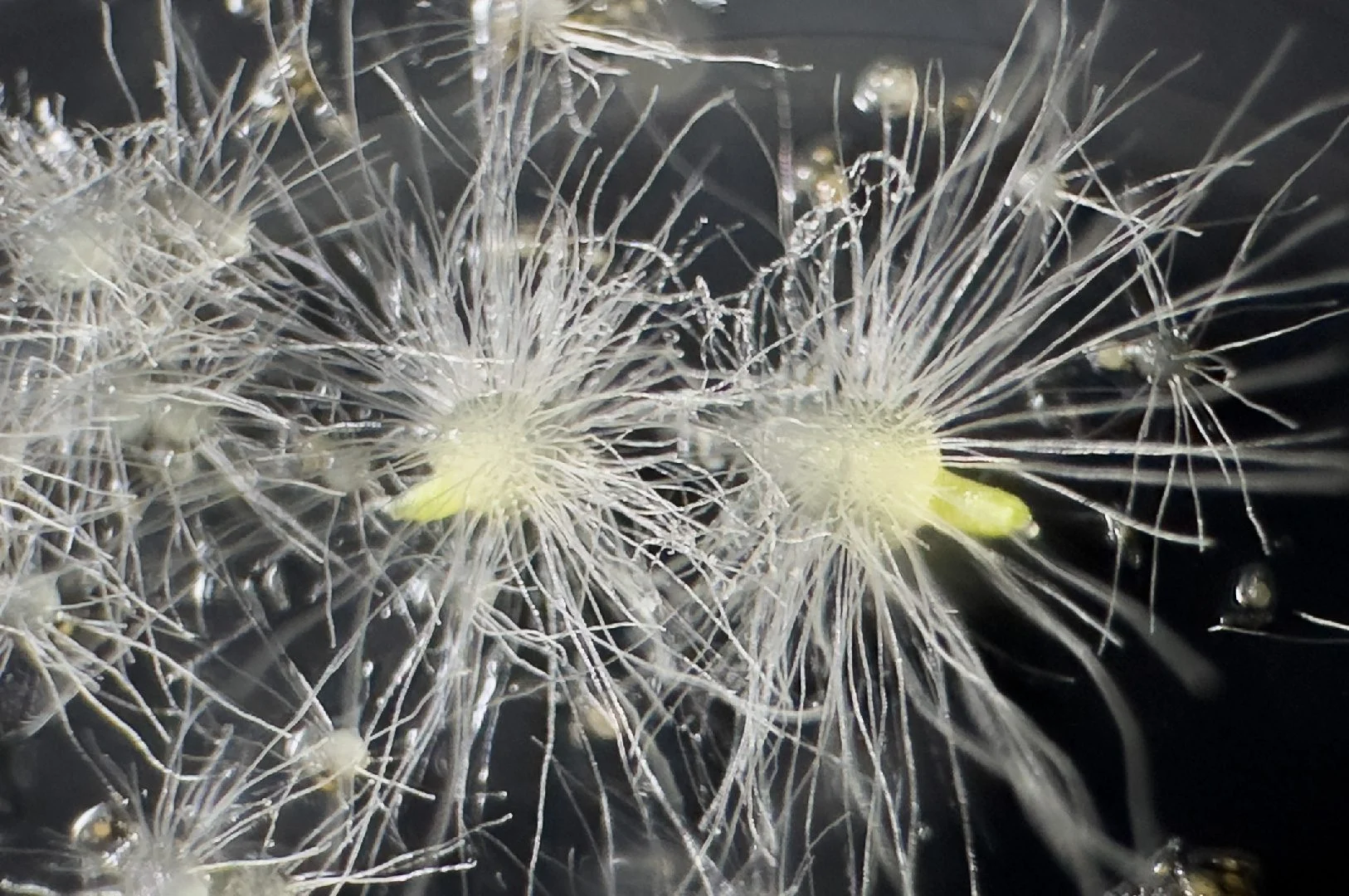
0,1–0,2 mm
Seed size
500 günü aşan
Development completed in the laboratory
About
The Lycian orchid, scientifically Ophrys lycia, is an endemic orchid species found in the world only in and around the Kaş district of Antalya. Reaching a height of 40–50 centimetres, Ophrys lycia blooms between late March and April. It is easily recognised by its pinkish-purple sepals and petals, as well as its reddish-brown labellum (lip).
Where Does the Name "Lycian" Come From?
1980Year in which the species was discovered by the Swiss botanist Jany Renz
Photo: Akdeniz Koruma Vakfı Arşivi
Why Is the Lycian Orchid Threatened?
The primary threats facing the species include:
Habitat loss and urban development
Illegal collection of wild orchids
Agricultural chemicals and pesticide use
Reduced genetic diversity caused by small population size
Decline or disturbance of its specialized pollinator
One of Nature's Most Extraordinary Pollination Strategies
Photo: Akdeniz Koruma Vakfı Arşivi
A Conservation Project by the Mediterranean Conservation Foundation and Ege University
Under the scientific leadership of Dr. Nejdet Bozkurt , the project has achieved several important milestones:
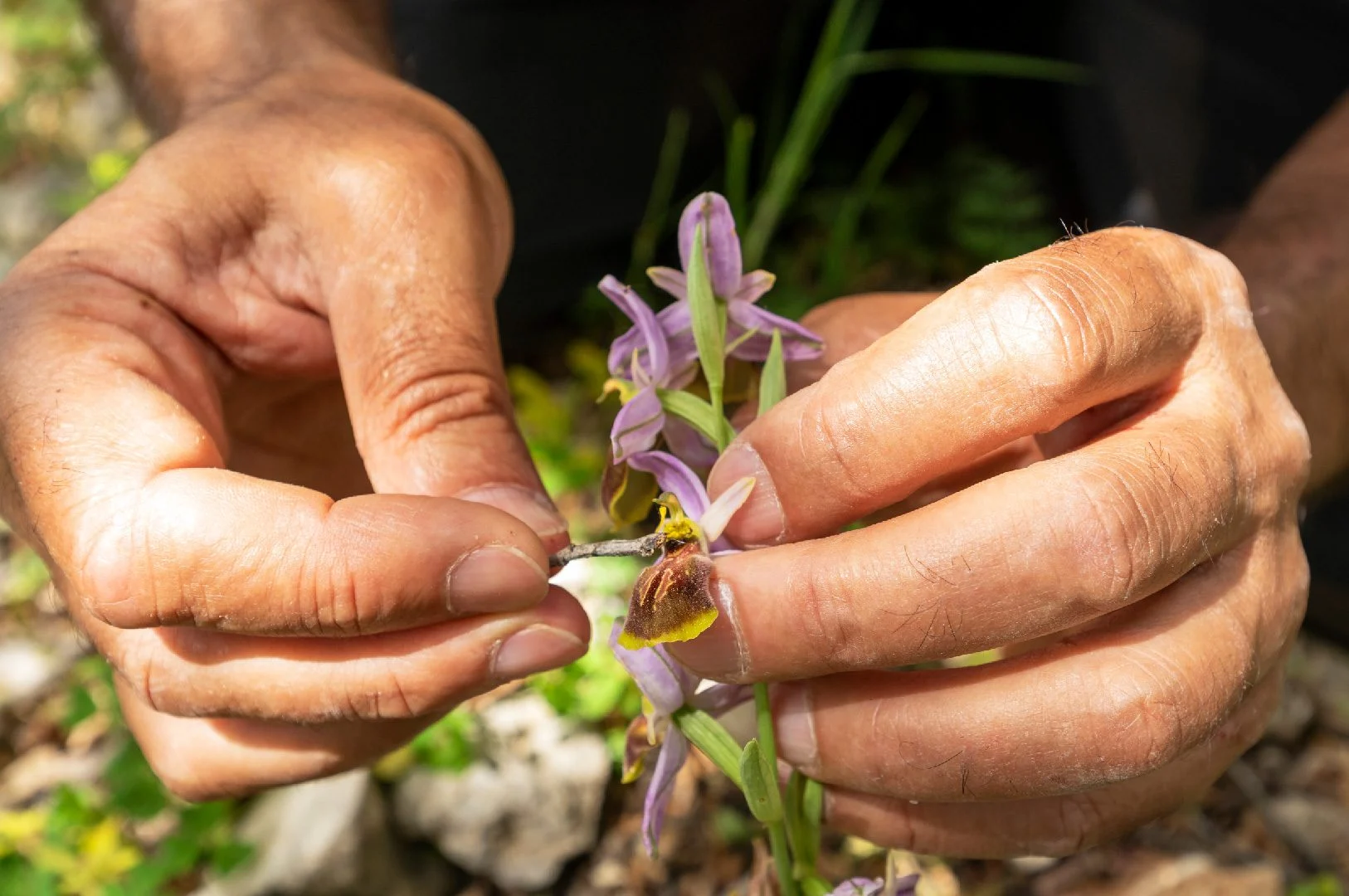
Wild populations were surveyed and documented.
Seeds were obtained through controlled cross-pollination.
A mini seed bank was established.
The species' genetic material was secured for conservation.
Seed viability was analysed.
Germination tests were successfully conducted on seeds stored for three years.
Successful asymbiotic germination was achieved under laboratory conditions.
Individuals capable of forming tubers were produced.
From 0.1 Millimetres to the Future
Photo: Akdeniz Koruma Vakfı Arşivi
The Next Step: Returning to Nature
Once this work is successfully completed, it will represent one of the most comprehensive conservation projects ever undertaken for an orchid species in Türkiye.
References
+
Arditti, J., 1982. Orchid seed germination and seedling culture -A manual. In J. Arditti [ed.], Orchid biology: reviews and perspectives, vol. II. Cornell University Press, Ithaca, New York. s243-370.
Bektaş E, Cüce M ve Sökmen A., 2013. In vitro germination, protocorm formation and plantlet development of Orchis coriophora (Orchidaceae), a naturally growing orchid species in Turkey. Turk. J. Bot., 37: s336-342.
Clements, M. A., Muir, H., & Cribb, P. J., 1986. A Preliminary Report on the Symbiotic Germination of European Terrestrial Orchids. Kew Bulletin, 41(2), s437-445.
Deniz, I.G., 2013. Critically endangered (CR) orchid species of Antalya Province of Turkey. Acta Hortic. 002, s37-41.
Pierce, S., A. Ferrario ve B. Cerabolini, 2010. Outbreeding and asymbiotic germination in the conservation of the endangered Italian endemic orchid Ophrys benacensis, Plant Biosystems - An International Journal Dealing with all Aspects of Plant Biology, 144:1, 121-127.
Ponert, Jan & Vosolsobě, Stanislav & Knotková, Kateřina & Lipavská, Helena., 2011. European orchid cultivation-From seed to mature plant. European Journal of Environmental Sciences. Vol: 1. No:2 s95-107.
Prisa, D., Burchi, G., & Giovannini, A., 2019. Asymbiotic propagation of Italian orchids. Acta Hortic. 1262. s179-186.
Rasmussen H.N., 1995. Terrestrial Orchids from Seed to Mycotrophic Plant, Cambridge University Press, Cambridge, UK.
Seaton, Philip & Hosomi, Silverio & Custodio, Ceci & Marks, Timothy & Machado Neto, Nelson & Pritchard, Hugh., 2018. Orchid Seed and Pollen: A Toolkit for Long-Term Storage, Viability Assessment and Conservation. In: Lee, Y.I., Chee-Tak Yeung, E. (eds.). Orchid propagation: from laboratories to greenhouses methods and protocols. Springer Protocols Handbooks. s77-98.
For this species
What we do
01/03
Collaboration with Ege University
The project, carried out for nearly five years in collaboration between the Mediterranean Conservation Foundation and Ege University, aims to protect the Lycian orchid both in its natural habitat and under laboratory conditions.
02/03
Ex situ conservation foundation
Together, these achievements have established a strong scientific foundation for the ex situ conservation of Ophrys lycia .
03/03
National Seed Gene Bank
In addition, genetic material collected from Ophrys lycia has been deposited in the National Seed Gene Bank, ensuring the species' long-term conservation.
01Collaboration with Ege University+
The project, carried out for nearly five years in collaboration between the Mediterranean Conservation Foundation and Ege University, aims to protect the Lycian orchid both in its natural habitat and under laboratory conditions.
02Ex situ conservation foundation+
Together, these achievements have established a strong scientific foundation for the ex situ conservation of Ophrys lycia .
03National Seed Gene Bank+
In addition, genetic material collected from Ophrys lycia has been deposited in the National Seed Gene Bank, ensuring the species' long-term conservation.