

Mediterranean Conservation Foundation
TREN
Support us

Field programme · Trainings

Ecology education

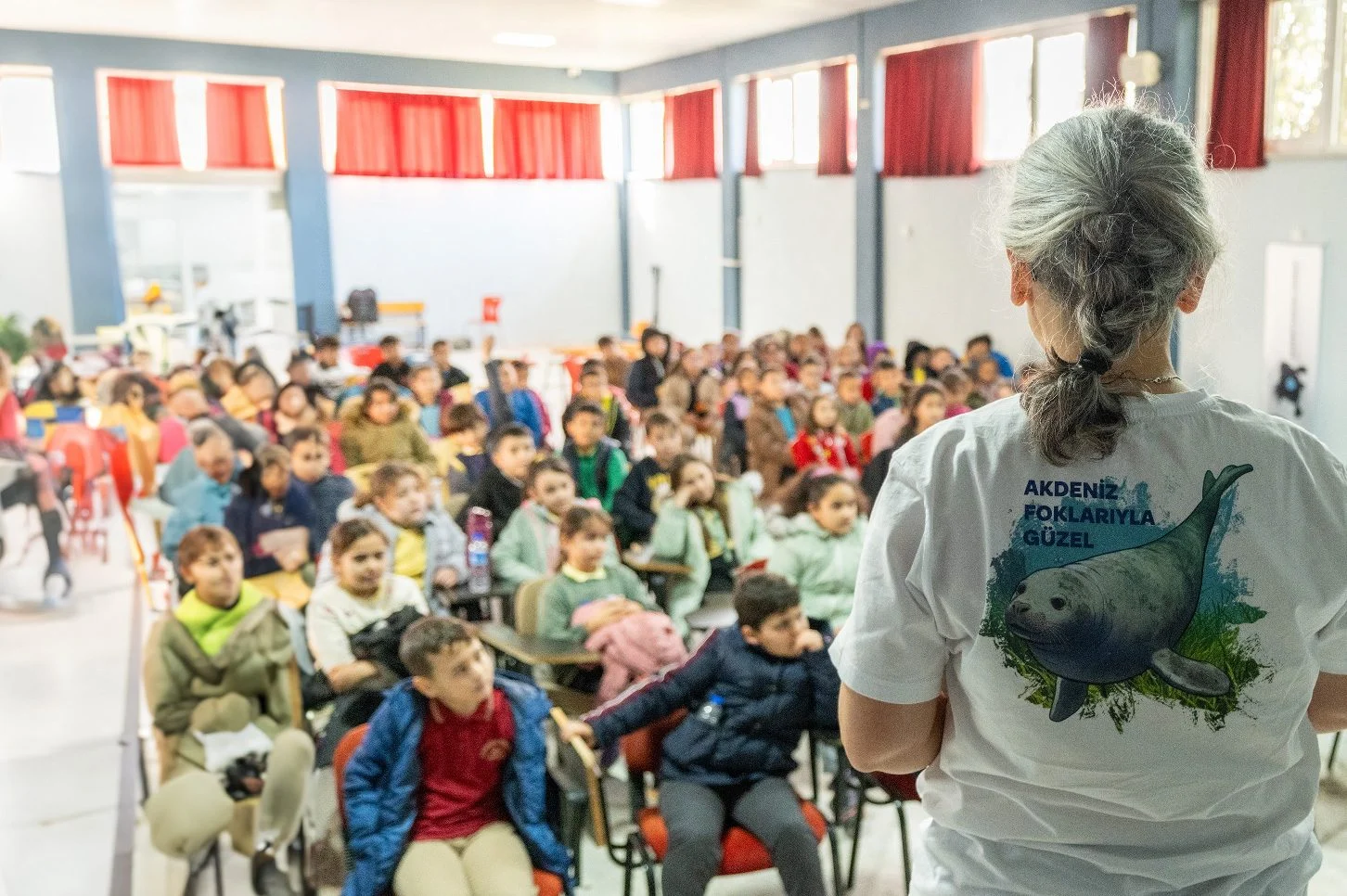
Ecology education is a process aimed at understanding the balance of nature, the functioning of ecosystems, and humanity's role within this balance.

Photo: Akdeniz Koruma Vakfı Arşivi

Definition
a process aimed at understanding the balance of nature, the functioning of ecosystems, and humanity's role within this balance
Methods taught
water clarity measurement, seagrass mapping, coastal macro-waste sampling and wetland bird observation

At a glance

  1. Ecology education is a process aimed at understanding the balance of nature, the functioning of ecosystems, and humanity's role within this balance.

  2. However, ecology education predominantly focuses on terrestrial ecosystems.

  3. Ocean literacy refers to the understanding of marine environments, increasing sensitivity towards marine ecosystems, and taking active roles in their conservation.

  4. Scientific methods such as water clarity measurement, seagrass mapping, coastal macro-waste sampling and wetland bird observation are taught in this context.

About

Ecology education is a process aimed at understanding the balance of nature, the functioning of ecosystems, and humanity's role within this balance. When we recognise that we are a part of nature and interconnected with all living beings, we can establish a sustainable relationship with the natural world.

So what are the benefits of ecology education? Through ecology education, individuals:

  • Learn about nature and ecosystems

    They comprehend the interconnection of ecosystems and observe natural cycles to learn how they function.

  • Develop environmental awareness and responsibility

    They gain consciousness about protecting the environment and develop sustainable living practices.

  • Understand changes in ecosystems

    They observe the effects of climate change, pollution, and human activities on nature using scientific methods.

Ocean literacy and water conservation

Some essential steps to protect the seas include:

  • Effective management of Marine Protected Areas

    Reducing human pressure by protecting marine ecosystems.

  • Reducing the impact of invasive and non-native species

    Collaborating with small-scale fishers to mitigate the negative effects of invasive and non-native species on ecosystems.

  • Conserving seagrass meadows

    Mapping and protecting seagrass meadows, known as the "lungs of the sea" due to their role in oxygen production and carbon storage.

  • Raising awareness among young people through ecology education

    Teaching young people scientific observation and research methods that encourage them to understand marine ecosystems.

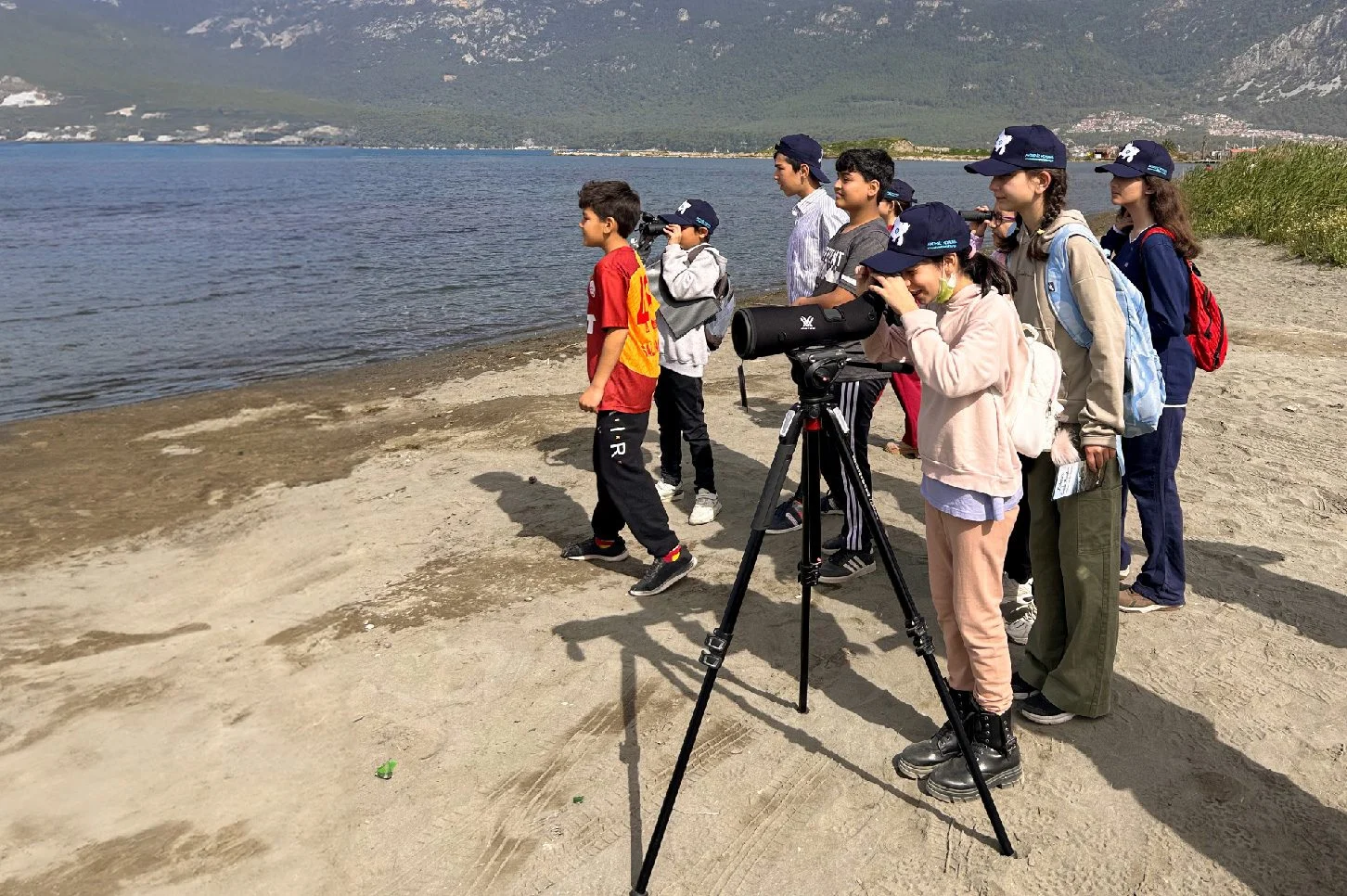
Children birdwatching with binoculars on a lakeside beach
Photo: Akdeniz Koruma Vakfı Arşivi

The impact of ecology education on individuals and communities

Beyond raising individual awareness, ecology education offers an approach that engages communities in conservation efforts. As environmental awareness within society increases:

  • Local communities can be involved in environmental education

    The knowledge and experience of local communities are taken into account in conservation projects.

  • Community-based environmental conservation approaches can expand

    Community-based monitoring is carried out to prevent illegal activities in marine protected areas.

  • Sustainable fishing practices and native species conservation can be supported

    Small-scale fishing is supported and invasive species are tackled.

Ecology education programmes by the Mediterranean Conservation Foundation

The training we organise as the Mediterranean Conservation Foundation:

  • Water clarity measurement

    The Secchi disk method is used to assess the health of aquatic ecosystems. A black-and-white patterned disk is submerged through the water column until it is no longer visible, and then pulled back up until it reappears. The average of these two depths is recorded as the Secchi depth. This measurement helps determine light penetration, algae density, pollution levels, and ecosystem changes. In this way, environmental problems such as turbidity or pollution caused by human activities can be detected early.

  • Quadrat species counting

    The quadrat method, used to determine marine biodiversity, serves to identify the diversity and distribution of sessile organisms within a given area. A small frame (usually 50x50 cm) is placed at selected sites, and the species within the frame are counted and recorded. Comparing measurements taken at different locations and times allows ecosystem changes to be observed. This method, which scientists also use when researching seagrass, teaches young people one of the fundamental steps of scientific data collection.

  • Wetland bird observation

    Wetlands are crucial habitats for migratory and native bird species. Bird observation is conducted to identify the bird species of an area, track population changes, and understand the condition of the ecosystem. Using binoculars and field notebooks, participants record bird species and evaluate their impact on the ecosystem. This activity builds awareness of nature conservation and raises awareness among young people and the community about biodiversity and ecological balance.

  • Coastal macro-waste sampling

    Coastal macro-waste sampling is a method for analysing waste that accumulates in marine and coastal ecosystems. Waste collected from designated coastal areas is classified, and the dominant types of waste are identified. The collected data are shared with relevant authorities to help detect pollution sources, understand environmental impacts, and develop waste management strategies. This activity aims to raise awareness about reducing marine pollution and keeping coastlines clean.

  • Mediterranean Guardians board game

    The Mediterranean Guardians board game, designed to introduce marine ecosystems in a fun and educational way, helps children learn about marine species, marine habitats, and ways to protect the environment. In the game, children get to know marine creatures, explore ecological problems, and devise nature-friendly solutions. Through game-based learning, this activity builds awareness of marine conservation and helps children grow into individuals who are sensitive to environmental problems.

  • Events at festivals and fairs

    Festivals and fairs provide an important opportunity to raise awareness about marine and coastal ecosystems. At these events, eco-friendly workshops, educational seminars, interactive games, and visual materials are used to inform participants about the importance of the seas, biodiversity, and sustainable conservation practices. In addition, field-based training sessions and nature walks are organised to help young people connect directly with marine and coastal ecosystems.

  • Training for educators and teachers

    Raising the awareness of educators is of great importance for ecology education to be sustainable. As the Mediterranean Conservation Foundation, we organise special training programmes for educators, sharing experience on adapting scientific research methods to lessons and linking ocean literacy to the learning objectives of different disciplines. Training sessions for teachers combine classroom and outdoor activities, encouraging direct experience.

  • Development of educational materials

    Facilitator guides, interactive presentations, video content, and game-based educational materials are developed for the ecology education of students and teachers. These materials provide foundational knowledge about marine ecosystems and aim to raise awareness of nature conservation. In addition, the guides prepared for teachers offer practical information on how students can engage directly with nature. These educational materials enable educators and teachers to bring knowledge-based, experiential, and hands-on learning models into their classrooms and encourage young people to explore nature through scientific methods.

  • Engage young people in multi-sensory nature experiences
  • Offer young people optimistic yet realistic information about the seas
  • Support young people's participation and activism in the regions where they live
  • We provide education that changes how young people feel about the seas, fostering empathy and curiosity.

Ecology education

What we do

Increasing ocean literacy

The projects we run as the Mediterranean Conservation Foundation aim to increase ocean literacy and strengthen the awareness of young people and communities about marine ecosystems. In this context, scientific methods such as water clarity measurement, seagrass mapping, coastal macro-waste sampling and wetland bird observation are taught.

Marine Ranger System

The Marine Ranger System, which we run as the Mediterranean Conservation Foundation, stands out as a key model that promotes the direct participation of communities in marine conservation. This system helps local communities detect and report illegal fishing and threats to coastal ecosystems.

Ecological awareness programmes

As the Foundation, we organise various educational programmes to raise ecological awareness. These programmes allow young people to explore the seas while also helping them understand ecosystems through scientific observation methods.

Active conservation advocates

The education programmes we run as the Mediterranean Conservation Foundation aim to strengthen young people's connection with nature and transform them into active conservation advocates.

Engaging young people in marine science

Through ecology education, we can contribute to the conservation of marine ecosystems and build a sustainable world for future generations. As the Mediterranean Conservation Foundation, we provide training to engage and empower young people in marine science…

01Increasing ocean literacy

The projects we run as the Mediterranean Conservation Foundation aim to increase ocean literacy and strengthen the awareness of young people and communities about marine ecosystems. In this context, scientific methods such as water clarity measurement, seagrass mapping, coastal macro-waste sampling and wetland bird observation are taught.

02Marine Ranger System

The Marine Ranger System, which we run as the Mediterranean Conservation Foundation, stands out as a key model that promotes the direct participation of communities in marine conservation. This system helps local communities detect and report illegal fishing and threats to coastal ecosystems.

03Ecological awareness programmes

As the Foundation, we organise various educational programmes to raise ecological awareness. These programmes allow young people to explore the seas while also helping them understand ecosystems through scientific observation methods.

04Active conservation advocates

The education programmes we run as the Mediterranean Conservation Foundation aim to strengthen young people's connection with nature and transform them into active conservation advocates.

05Engaging young people in marine science

Through ecology education, we can contribute to the conservation of marine ecosystems and build a sustainable world for future generations. As the Mediterranean Conservation Foundation, we provide training to engage and empower young people in marine science…

Next steps

We need your support to keep this work going.