
Citizen Science: The Most Inclusive Path to Knowledge Production
Science is often perceived as a technical endeavor carried out by experts in laboratories. However, an increasingly influential approach worldwide is expanding these boundaries: Citizen Science. This participatory model involves people from diverse backgrounds in the process of knowledge production, engaging volunteers in activities such as observation, data collection, and measurement alongside scientists. In many cases, a curiosity about nature, careful attention to the environment, and a willingness to observe are all that is needed to contribute meaningfully to scientific projects.
Although scientific knowledge is commonly thought to be shaped within universities, laboratories, and expert communities, citizen science moves knowledge production beyond these traditional limits. When individual observations, records, and lived experiences become data, scientific knowledge grows through the collective contributions of society, extending well beyond institutional and professional circles.
At the same time, citizen science does more than generate data; it fosters a renewed connection with nature. As people observe and learn about the natural environment around them, they develop a stronger bond with the places they live. This connection increases motivation for conservation, strengthens local ownership, and transforms scientific research into a shared social experience.
For these reasons, citizen science is not merely a method—it is a powerful tool that democratizes knowledge and helps build a collective culture of nature conservation.
Why Do We Need Citizen Science?
Our planet is facing complex challenges such as the climate crisis, biodiversity loss, and environmental pollution. Addressing these issues solely through the work of scientists is not sufficient. Monitoring change, collecting samples, and keeping environmental data up to date requires far more observers than scientific institutions alone can provide.
This is where citizen science becomes essential. A young person living in a coastal town, an enthusiastic recreational diver, or a family engaged in small-scale fishing can all make a difference by collecting data from their local environment. Their contributions not only support scientific research and inform conservation policies but also strengthen a sense of responsibility and belonging within scientific processes.
Inspiring Citizen Science Initiatives from Around the World
Today, millions of people around the globe contribute to citizen science, and numerous international platforms actively involve vast networks of observers in scientific research. The following global initiatives illustrate the scale and diversity of this movement:
iNaturalist
A global platform where photographs of living species are recorded and transformed into scientific data through AI-assisted identification.Sailing4Science
An initiative that collects water samples along sailing routes to generate data on microplastics and other environmental parameters.EyeOnWater
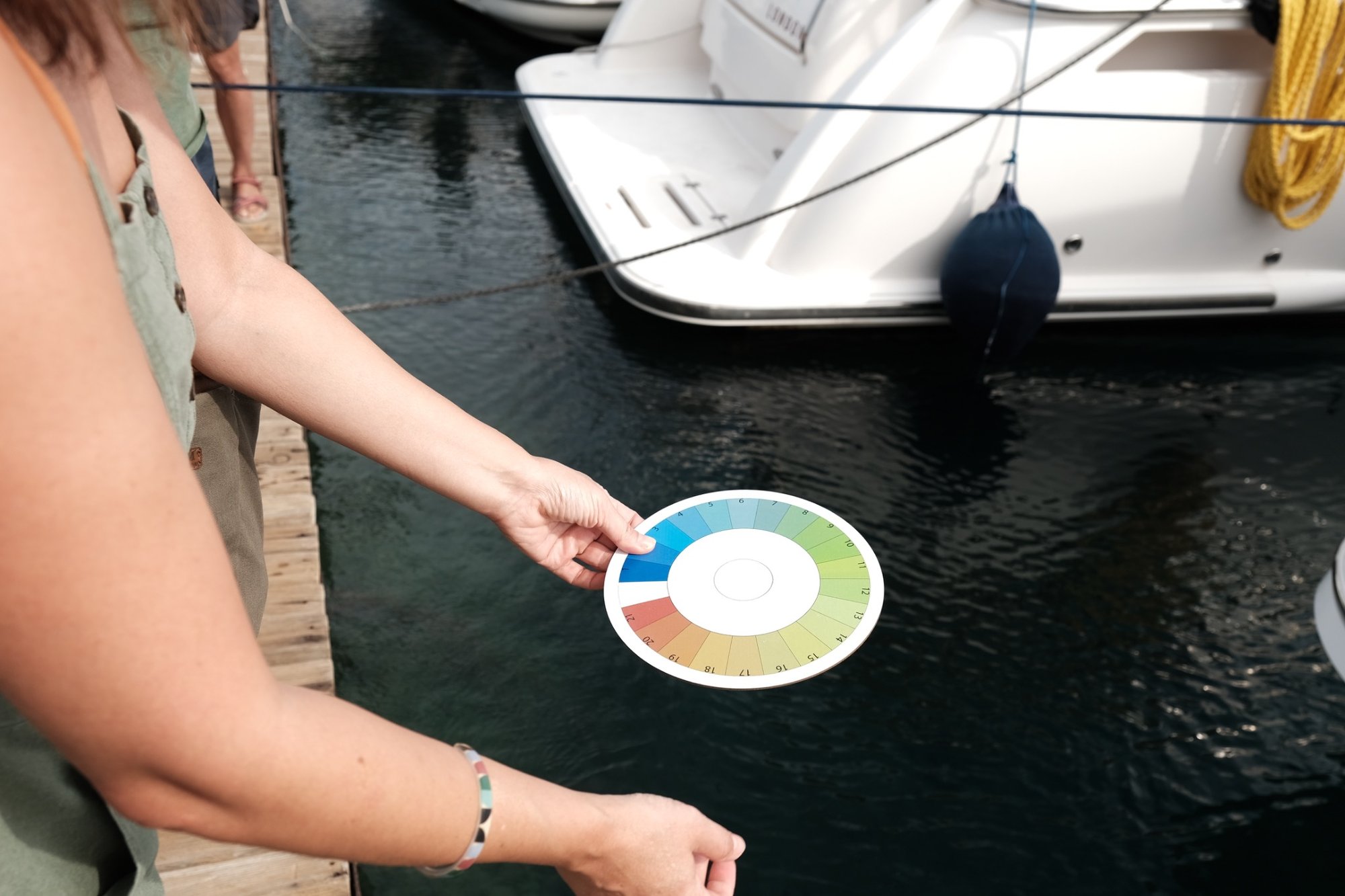
A mobile application that allows users to record water color and share observations with scientists, contributing to water quality monitoring.GLOBE Observer – NASA
A program in which volunteers observe environmental elements such as clouds, mosquito habitats, and soil moisture, contributing data to NASA’s global databases.eBird
A platform that has created the world’s largest bird database through observations contributed by birdwatchers, supporting research on populations, migration, and distribution.Zooniverse
A broad platform encompassing hundreds of projects—from astronomy to ecology—where users participate in image classification and data analysis.
Through these platforms, individuals from anywhere in the world can directly contribute to scientific research, sometimes with nothing more than a photograph or a simple observation. These examples clearly demonstrate that citizen science can take place not only outdoors but also remotely, even from a computer.
Citizen Science at the Mediterranean Conservation Society
At the Mediterranean Conservation Society, we actively support the development of citizen science in Türkiye and encourage volunteer participation in scientific monitoring processes.
Over the years, we have brought this approach into practice through various initiatives:
Collecting observations of endangered marine species, such as the Mediterranean monk seal, through our species reporting hotline.
Establishing data flows that guide ghost net clean-up efforts and carrying out numerous underwater clean-up activities.
Conducting field-based measurements together with volunteers through citizen science workshops.
These efforts have not only generated valuable scientific data but have also encouraged active public engagement in nature conservation processes.
A Citizen Science Experience in Fethiye
As part of the DiverSea project, we carried out a citizen science activity in Fethiye together with local volunteers. During the event, phytoplankton samples were collected from multiple locations, water transparency was measured, and environmental data were recorded collaboratively. The collected samples were then delivered to the Dokuz Eylül University Institute of Marine Sciences for analysis.
This initiative went beyond data collection. The knowledge and experience of participants who are closely connected to the region played a key role in shaping the process. By involving local communities in scientific monitoring, the activity contributed to the development of conservation policies and resulted in a strong collaboration with both scientific and social value.
Science for Everyone
Citizen science demonstrates that science does not belong exclusively to experts. Anyone who cares for, protects, and observes nature can become part of the research process. Every new observation, photograph, sample, or measurement helps create a clearer picture of the future of our coasts.
At the Mediterranean Conservation Society, we value this approach and continue to support it through new collaborations and activities. Protecting nature is a shared responsibility—but only by learning together can we truly protect it together.