
Since the dawn of life on Earth, extinctions have always occurred, but the current rate of extinction is unprecedented. Following the signing of the Convention on Biological Diversity by the United Nations in 1992, May 22 was declared International Biodiversity Day and has since been celebrated globally. This day is critical in emphasizing the importance of biodiversity and efforts to protect it. Despite the agreement being signed by many countries, the rapid loss of biodiversity continues.
According to computer-based projections published by the Convention on Biological Diversity, approximately 150–200 species are lost each day. A report published by IPBES in 2020 stated that since 1900, the average abundance of species has decreased by at least 20%. Furthermore, 40% of amphibian species, 33% of coral reefs, 15% of bird species, and 30% of mammals are at risk of extinction.
On May 22, International Biodiversity Day, we aimed to draw attention to wetlands, which are among the richest in biodiversity after rainforests. Unfortunately, these miraculous areas are under intense human pressure. Researchers have found that 87% of the world’s wetlands have disappeared over the past 300 years, mainly due to their conversion into residential areas. Increasing human activities such as industrial development, livestock farming, and uncontrolled agriculture pose significant threats to these ecosystems. The loss and degradation of wetlands have devastating impacts on drinking water sources, food security, health, employment, and tourism. Since 1970, wetlands have been vanishing. Nearly 48% of Mediterranean wetlands have been completely lost. Although Mediterranean wetlands occupy only 2–2.5% of the region's total area, they are home to over one-third of all species. Of these species, 36% are at risk of extinction, and 41% of those at risk are endemic.
Why Are Wetlands So Important?
Wetlands around the world currently store 40% of global carbon. When converted to other land uses, they transform from carbon sinks into carbon sources. Restoring ecosystems in Mediterranean wetlands can further capture pollutants such as carbon and agricultural fertilizers. This is vital for improving water quality and reviving degraded landscapes, which are crucial for both human and wildlife communities.
Wetland Status in Türkiye
Türkiye has 105 wetlands, 14 of which are protected under the Ramsar Convention. While international agreements for wetland conservation are vital, they often fail to provide effective solutions to the problems on the ground.
Azmak: Beautiful and Fertile
Although the Akyaka region is small, it is a hub of high tourism activity. Akyaka Kadın Azmağı is not only a scenic attraction but also an important wetland for biodiversity.
In the southern Aegean, "azmak" refers to streams or springs. The Kadın Azmağı wetland, classified geographically as a stream, empties into the Gökova Gulf. Between Kadın Azmağı and another stream, Akçapınar Azmağı, lies a wetland rich in biodiversity. While large wetlands are often discussed, small wetlands also deserve attention due to their unique biodiversity. Understanding the significance of such areas, restoring their natural balance, and implementing conservation measures are essential. Restoration activities such as mapping species distribution, identifying problems, and addressing them must be conducted alongside the development of a conservation-use balance in cooperation with local stakeholders.
Recommendations for Wetland Conservation:
Adopt a mindful approach toward water usage; Türkiye has limited water resources that need to be used with awareness.
Restore degraded wetlands and implement laws and regulations to prevent further damage. Strong penalties should emphasize the value of wetlands.
Introduce good agricultural practices through changes in agricultural policies, ensuring they are environmentally sustainable and farmer-friendly.
Minimize the use of groundwater to allow natural water cycles to replenish wetlands.
Develop area-specific conservation strategies informed by scientific studies and tailored to the unique characteristics of each wetland.
Incorporate effective environmental education into the curriculum to foster a generation capable of sustaining future conservation efforts.
Establish a balance between conservation and use, ensuring sustainable resource management that maintains natural cycles.
Remember that each ecosystem operates through its unique set of cycles, as do wetlands.
Happy International Biodiversity Day!
Prepared by: Akın İzgin, Gizem Akdoğan
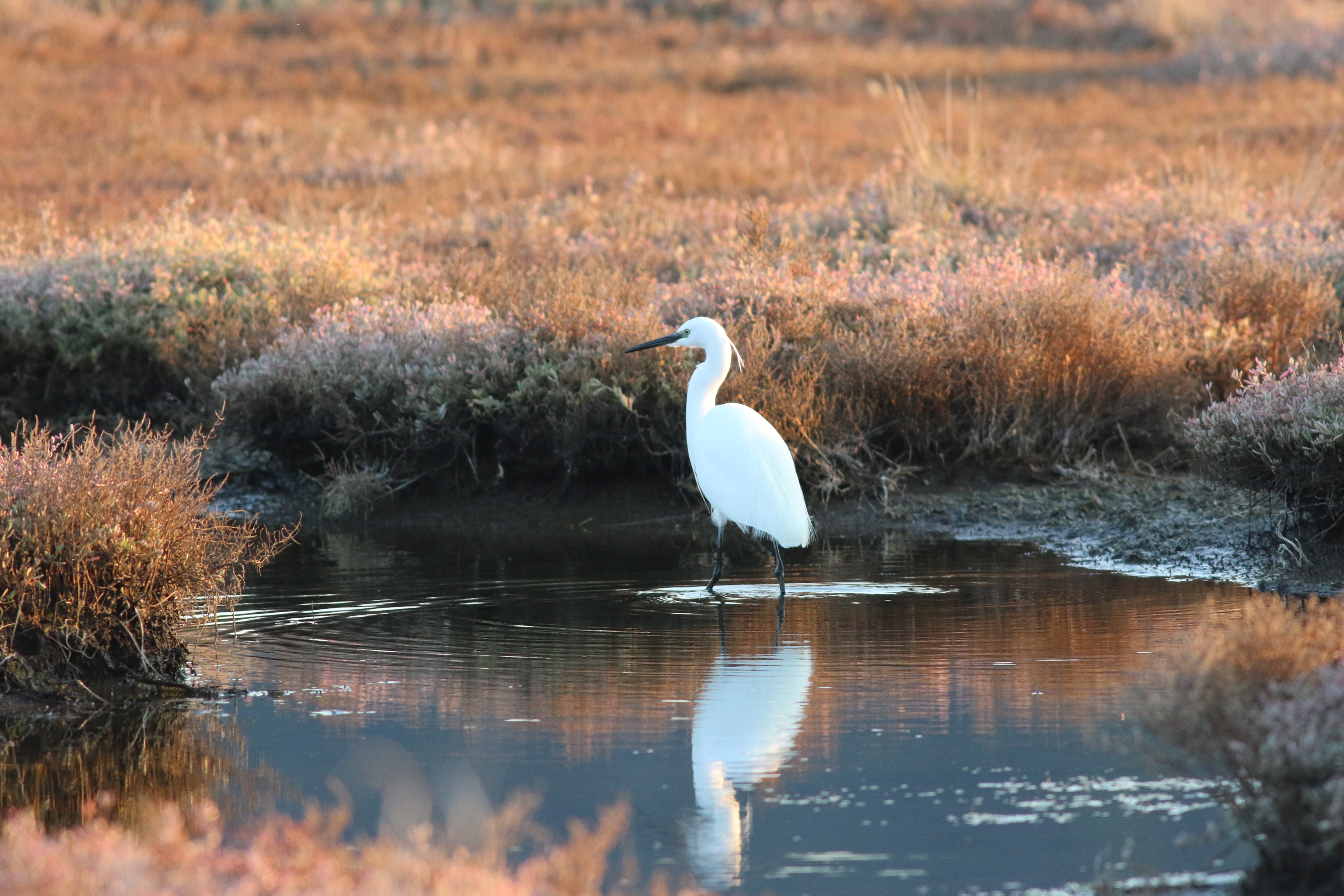
Photograph: Akın İzgin, "Little Egret"