The Emergence of the UNESCO World Heritage Concept
The concept of UNESCO World Heritage emerged in the 1960s when the Abu Simbel Temples in Egypt were threatened with submersion due to the construction of the Aswan Dam. Through an international rescue operation, the temples were relocated and reconstructed at a higher elevation. This event reminded the world that certain cultural and natural sites possess “Outstanding Universal Value” and belong not only to one country but to all humanity.
What Are Cultural and Natural Heritage?
Cultural heritage consists of monuments, structures, heritage sites, archaeological remains, and artefacts that shed light on human history. Natural heritage, on the other hand, includes ecosystems of outstanding universal value, geological formations, and habitats of threatened species.
Türkiye has been a party to the UNESCO World Heritage Convention since 1983. As of 2025, 22 sites from Türkiye are inscribed on the UNESCO World Heritage List, while 79 sites remain on the Tentative List (UNESCO National Commission for Türkiye).
Why Is Cultural Heritage Important?
Cultural heritage does more than preserve traces of the past; it strengthens societies’ sense of identity, belonging, and resilience. As the climate crisis threatens these values, their protection becomes critical for both cultural continuity and a sustainable future.
How Does the Climate Crisis Affect Cultural Heritage?
Cultural heritage is threatened not only by human pressures but also by processes accelerated by the climate crisis. In the Mediterranean basin in particular, rising sea levels, coastal erosion, severe storms, and ocean acidification directly threaten coastal archaeological sites as well as underwater cultural heritage.
Shipwrecks and submerged remains are experiencing faster metal corrosion due to sea-level fluctuations and increased biological activity, while wooden structures are deteriorating more rapidly, making conservation increasingly challenging. Similarly, coastal erosion at archaeological sites raises the risk of partial or total loss of settlements dating from the Neolithic period to the Ottoman era. Climate-driven ecosystem changes also weaken natural barriers that protect underwater cultural assets—such as seagrass meadows and coral communities—leaving these heritage elements far more vulnerable.
UNESCO’s Warning
According to UNESCO, climate change is one of the greatest threats facing World Heritage sites. Melting glaciers, coral bleaching, increasing forest fires, and floods are among the most visible examples. However, World Heritage sites are also part of the solution: forests act as carbon sinks by absorbing approximately 190 million tonnes of CO₂ annually, while marine World Heritage sites contain around 15% of global blue carbon stocks. Traditional knowledge and cultural practices also offer inspiration for a sustainable future.
UNESCO data indicates that:
- One-third of World Heritage cultural properties are located in coastal areas and are exposed to flooding and erosion risks due to sea-level rise.
- 60% of World Heritage sites in the Mediterranean face coastal flooding and erosion risks.
- 60% of World Heritage forests and marine areas are under pressure from human activities and climate-related threats such as fires, floods, and cyclones.
- Nearly all World Heritage coral reefs are at risk of annual coral bleaching by 2050.
- Each +1 °C increase in temperature doubles the number of species exposed to hazardous climate conditions.
What Should Be Done to Protect Cultural Heritage Against the Climate Crisis?
Protecting cultural heritage in the face of the climate crisis is possible through action in four key areas:
- Technological Solutions: Advancing climate modelling, risk mapping, and conservation techniques.
- Management Measures: Regular monitoring of sites and implementation of maintenance and protection plans.
- Behavioural Change: Encouraging local communities and visitors to adopt sustainable practices.
- Policy and Financing: Strengthening legal frameworks, guidelines, and financial resources at national and international levels.
Marine Protected Areas and Cultural Heritage
Although marine protected areas are primarily designated to safeguard natural heritage, marine species, and ecosystems, they also hold significant cultural value. Traditional fishing practices, ancient trade routes, underwater wrecks, and religious-cultural rituals are tangible expressions of the relationship between humans and the sea.
Globally, some marine protected areas—such as the Papahānaumokuākea Marine National Monument in Hawaii—have been inscribed on the UNESCO World Heritage List due to both their natural and cultural values. Home to more than 7,000 species, approximately 25% of which are found nowhere else, this unique ecosystem also holds deep cosmological significance for Native Hawaiians, who regard it as the origin of their ancestors and the place where spirits return. Prehistoric archaeological remains on the islands of Nīhoa and Mokumanamana further highlight its cultural importance. UNESCO has therefore classified it as a “mixed heritage” site that must be protected for all humanity.
Similarly, marine protected areas in the Mediterranean should be safeguarded not only for their biodiversity but also for their strong connections to cultural heritage.
What Is the Mediterranean Conservation Society Doing to Protect Cultural Heritage?
As part of its 2024–2029 strategy, the Mediterranean Conservation Society has committed to supporting efforts that bring underwater cultural heritage to light. In this context, the organisation contributes to the protection, documentation, and research of cultural heritage in its areas of operation, as well as to identifying challenges and developing solutions.
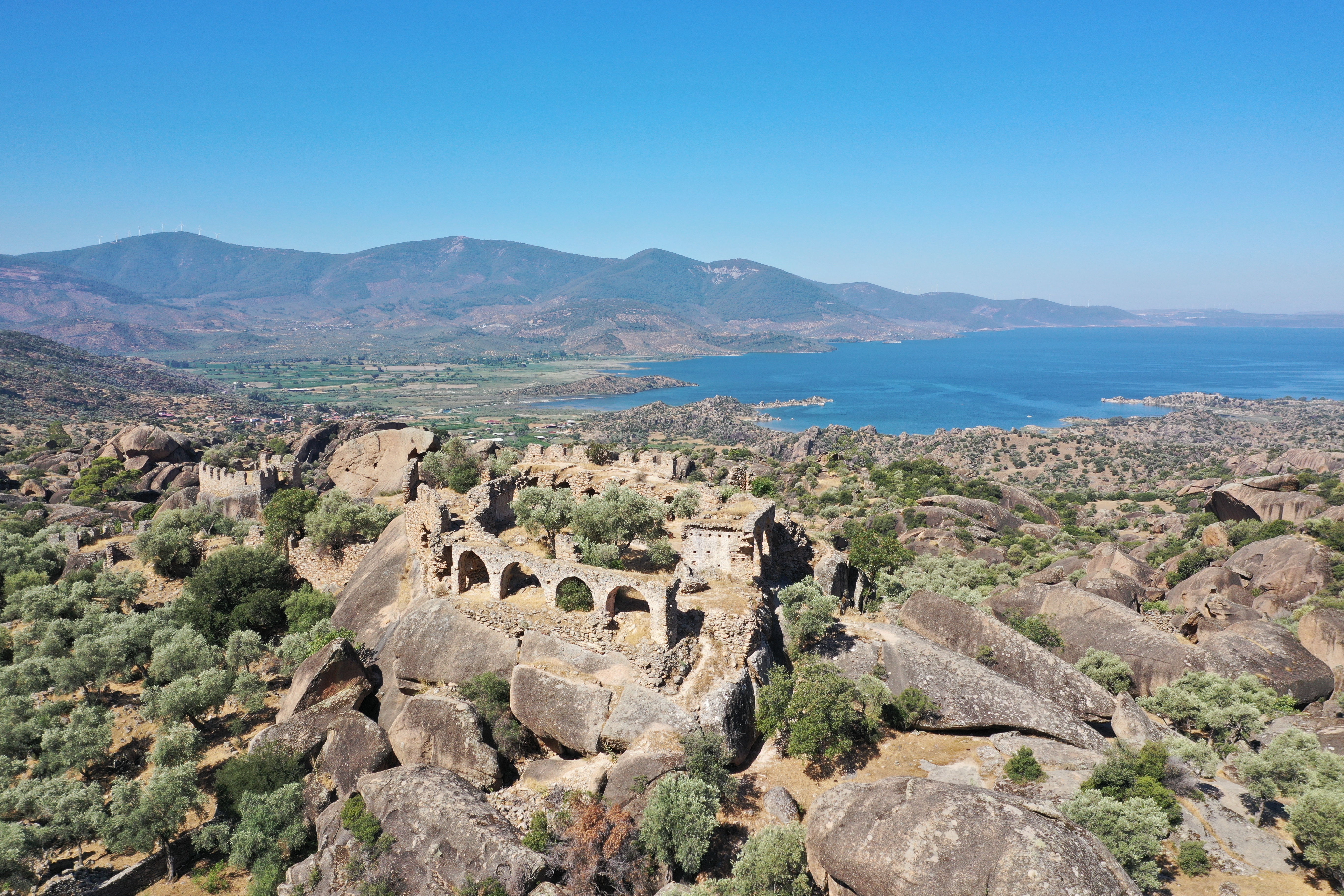
The Society has completed the identification and mapping of the ancient “Carian Trail” route, which stretches across the 850-kilometre Datça and Bozburun Peninsulas, the Gulf of Gökova, Mount Latmos (Beşparmak), and surrounding areas of Muğla. Parts of this route, located partly within forested areas, are at risk of disappearance, while new constructions threaten the historical landscape that dates back from the Neolithic period to the present day. These findings have been shared with relevant authorities.
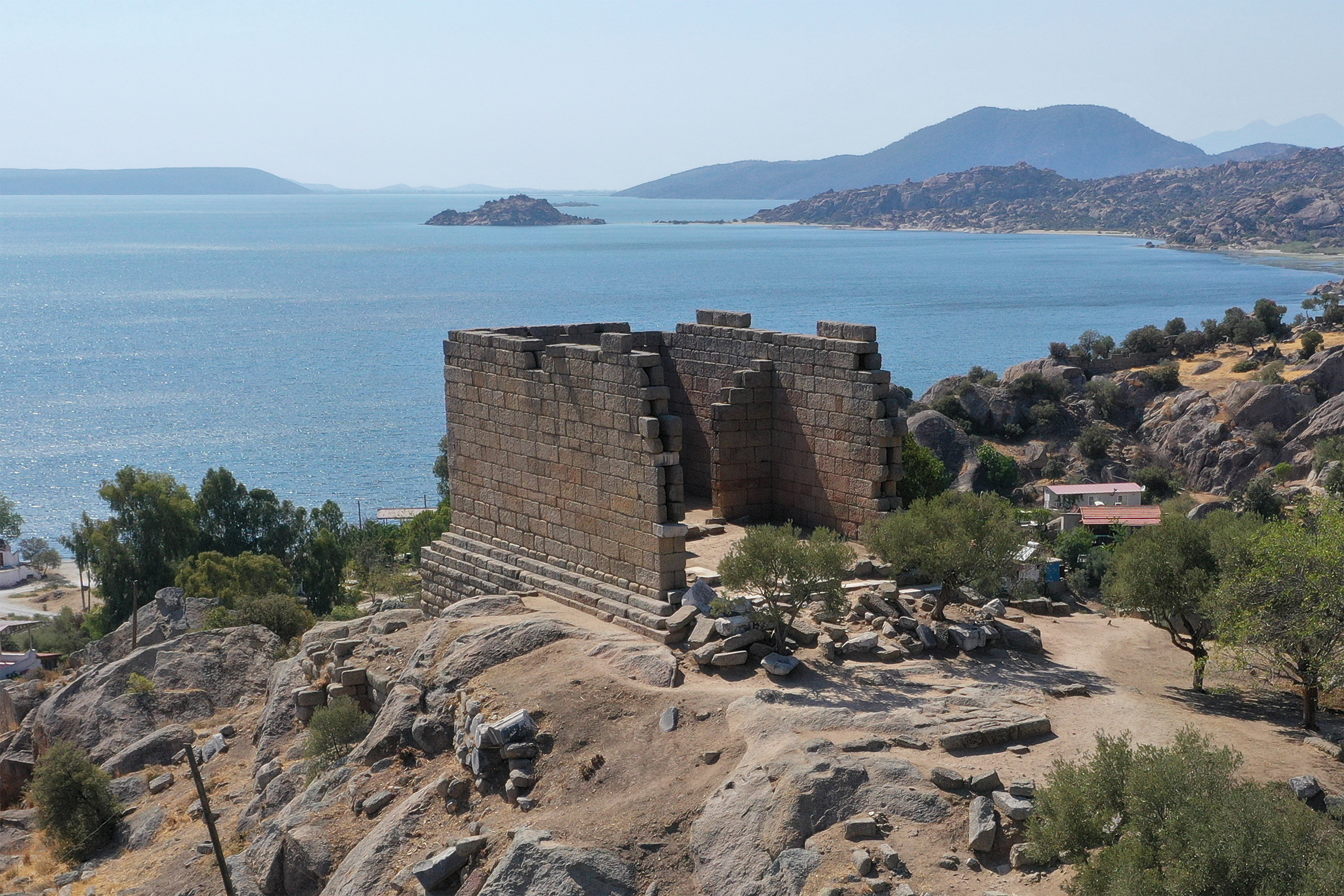
Following the Society’s application, a commission was established by the 4th Regional Directorate of the Ministry of Agriculture and Forestry to evaluate the expansion of Bafa Lake Nature Park towards the north-northeast and its designation as a national park. The commission began field studies during meetings held on 17 May and 10 June 2024 in the ancient city of Herakleia, hosted by the Ministry of Culture and Tourism and the Latmos and Herakleia Excavation Directorate.
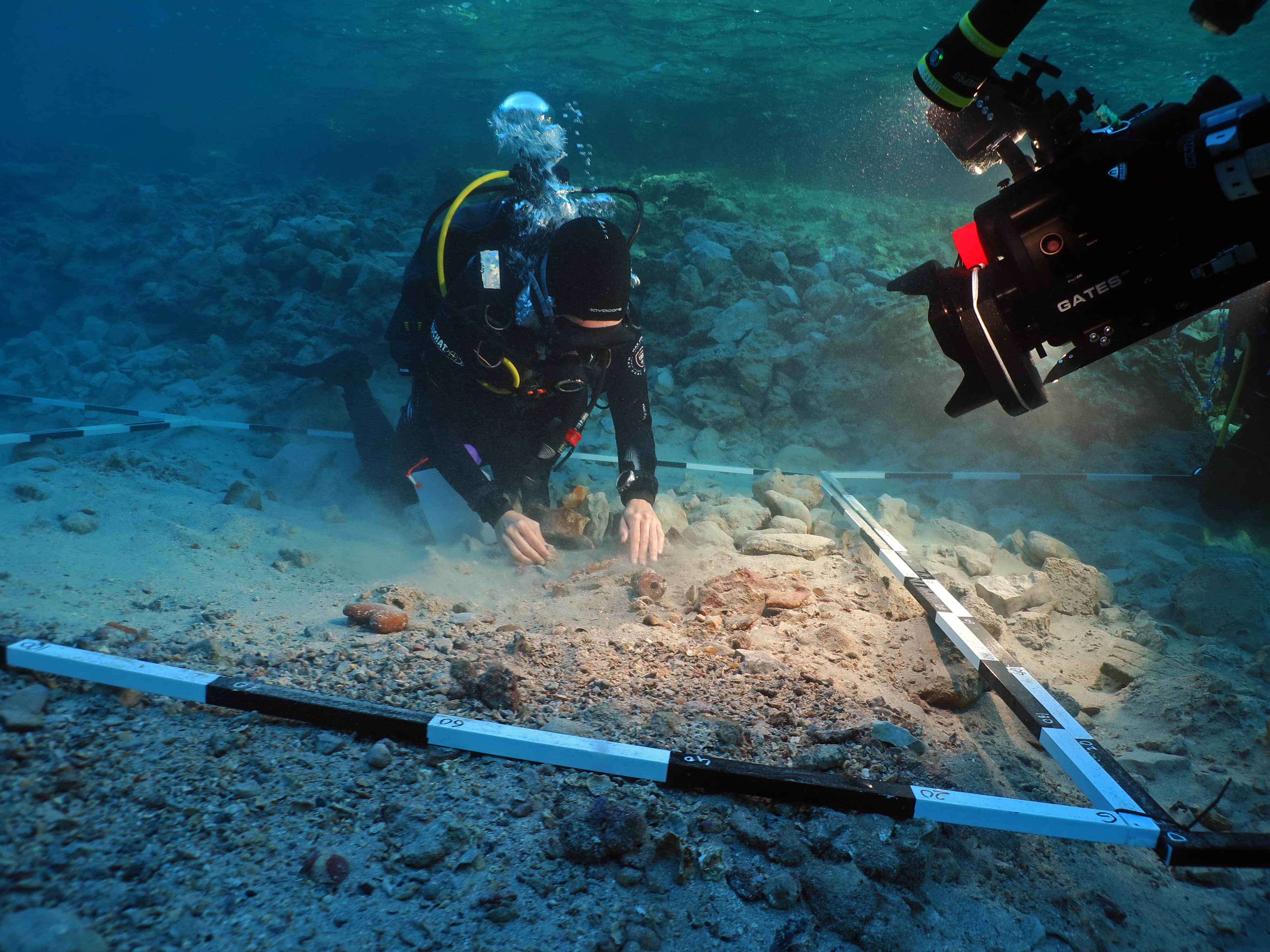
The Mediterranean Conservation Society considers the protection of cultural heritage an integral part of climate adaptation efforts. Within this framework, it provides support—through formal protocols—to the process of uncovering Early Bronze Age and Hellenistic remains and wrecks that remain unprotected at the underwater excavation sites of Bozukkale, Çamçalık, and Kızlan.
RESOURCES