
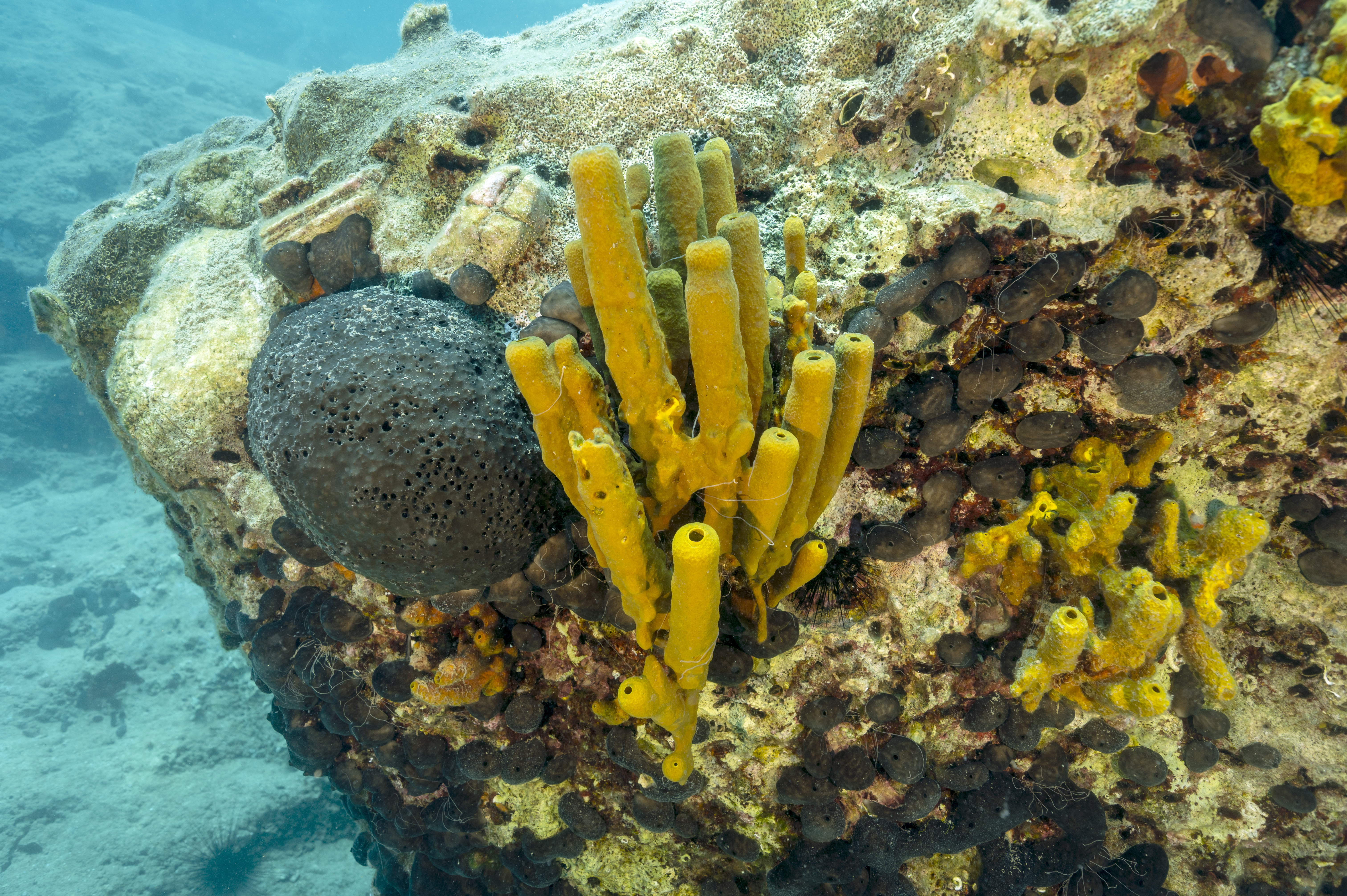
As COP31, to be hosted by Türkiye in Antalya, approaches, the role of marine and coastal ecosystems in addressing the climate crisis is becoming increasingly important. Rising sea temperatures across the Mediterranean, shifts in species distribution, pressures on fish biomass, and the loss of coastal habitats are making the impacts of the climate crisis on our seas increasingly visible.
Against this backdrop, an important development for marine conservation has taken place in Türkiye on the road to COP31. With the Presidential Decisions dated 16 August 2026, designated marine areas in Fethiye-Kaş and the Northern Aegean were granted Marine National Park status.
The declaration of these new Marine National Parks represents an important step towards protecting Türkiye’s marine and coastal ecosystems. At the same time, as Türkiye prepares to host COP31, it presents an important opportunity to strengthen the role of the ocean in the country’s climate policies.
Designation Is the First Step; Effective Conservation Is the Goal
Marine protected areas play an important role not only in conserving biodiversity but also in strengthening the resilience of ecosystems to the impacts of the climate crisis.
However, granting an area protected status is not enough on its own. For conservation to deliver tangible results on the ground, protected areas need science-based management plans, regular monitoring, effective control of human-induced pressures, robust enforcement mechanisms, and the meaningful participation of local stakeholders in management processes.
Our long-standing work at Mediterranean Conservation has shown us that effective conservation goes far beyond drawing boundaries around protected areas. For marine protected areas to fulfil their ecological functions, conservation measures must be effectively implemented, their outcomes scientifically monitored, and management approaches adapted in response to the evidence generated.
For this reason, we see the declaration of the new Marine National Parks as an important starting point. The key question from this point forward is how these areas will be managed and how effectively conservation measures will be implemented on the ground.
Why Does This Matter for COP31?
The fact that COP31 will take place in Türkiye gives this development additional significance.
For many years, climate policy discussions focused predominantly on reducing greenhouse gas emissions. Today, climate adaptation and the role of nature in building resilience are receiving increasing attention.
Healthy marine and coastal ecosystems provide natural resilience against the pressures created by the climate crisis. Habitats such as seagrass meadows contribute to carbon sequestration, while healthy fish populations and functioning ecosystems support the capacity of our seas to withstand rising temperatures and other environmental pressures.
As we move towards COP31, therefore, expanding marine protected areas should go hand in hand with ensuring their effective protection and management as part of the broader climate agenda.
The declaration of the new Marine National Parks presents an important opportunity in this respect. Türkiye can approach its COP31 presidency not only as an opportunity to host international climate negotiations, but also as a process through which it can deliver tangible progress in its own nature and climate policies.
What Does Conservation Look Like at the Local Level?
Turning conservation decisions into tangible results on the ground cannot be achieved through decisions made solely at the national level. The knowledge and experience of local governments, scientists, civil society organisations, and local communities must also be incorporated into these processes.
With this approach in mind, as part of the road to COP31, we came together with representatives of city councils, local governments, and civil society organisations under the umbrella of the Muğla Union of City Councils.
The meeting brought together participants from Datça, Marmaris, Ula, Ortaca, Köyceğiz, and Menteşe. Alongside the climate crisis, discussions addressed a wide range of issues, including microplastic pollution, drought and water resource management, tourism pressure, forest fires, mining, wastewater management, marina activities, and the protection of natural areas. Blue justice and climate justice also emerged as prominent themes.
The discussions also demonstrated why marine protected areas cannot be considered solely in terms of boundaries drawn at sea. From water management and coastal use to tourism and pollution, many activities taking place on land have direct impacts on marine ecosystems.
Participants highlighted the need to strengthen the management of protected areas, ensure that environmental decisions are based on scientific evidence, increase the availability of transparent and accessible environmental data, and strengthen the roles of public institutions and local governments in conservation processes.
From New Protected Areas to Effective Conservation
As COP31 approaches, Türkiye now faces an important question: How can newly designated protected areas be translated into real and measurable conservation outcomes?
This question is relevant not only to the new Marine National Parks but also to Türkiye’s existing protected areas and its international commitments.
International frameworks such as the Mediterranean Action Plan, the Barcelona Convention, and the global 30x30 target—which calls for the conservation of at least 30% of terrestrial and marine areas by 2030—place increasing emphasis not only on expanding protected areas but also on ensuring their effective management.
COP31 therefore represents an important opportunity for Türkiye not only to showcase its existing conservation efforts, but also to establish a stronger and more measurable approach to marine conservation for the years ahead.
Conservation Must Go Beyond Designation for the Future of the Mediterranean
The declaration of the new Marine National Parks is an important step towards protecting Türkiye’s seas. However, what happens next will determine the real impact of this decision.
How these areas are managed, which activities are permitted and under what conditions, how scientific monitoring is conducted, how enforcement is ensured, and how local stakeholders are involved in decision-making processes will ultimately determine the success of conservation efforts.
At Mediterranean Conservation, as we move towards COP31, we will continue to advocate not only for the expansion of marine protected areas, but also for their effective management and for building marine ecosystems that are resilient to the climate crisis.
Because if we are to discuss the future of the Mediterranean at COP31, we need to talk not only about how much of our seas we have placed under protection, but also about how effectively we are turning that protection into action on the ground.