Removal of ghost nets
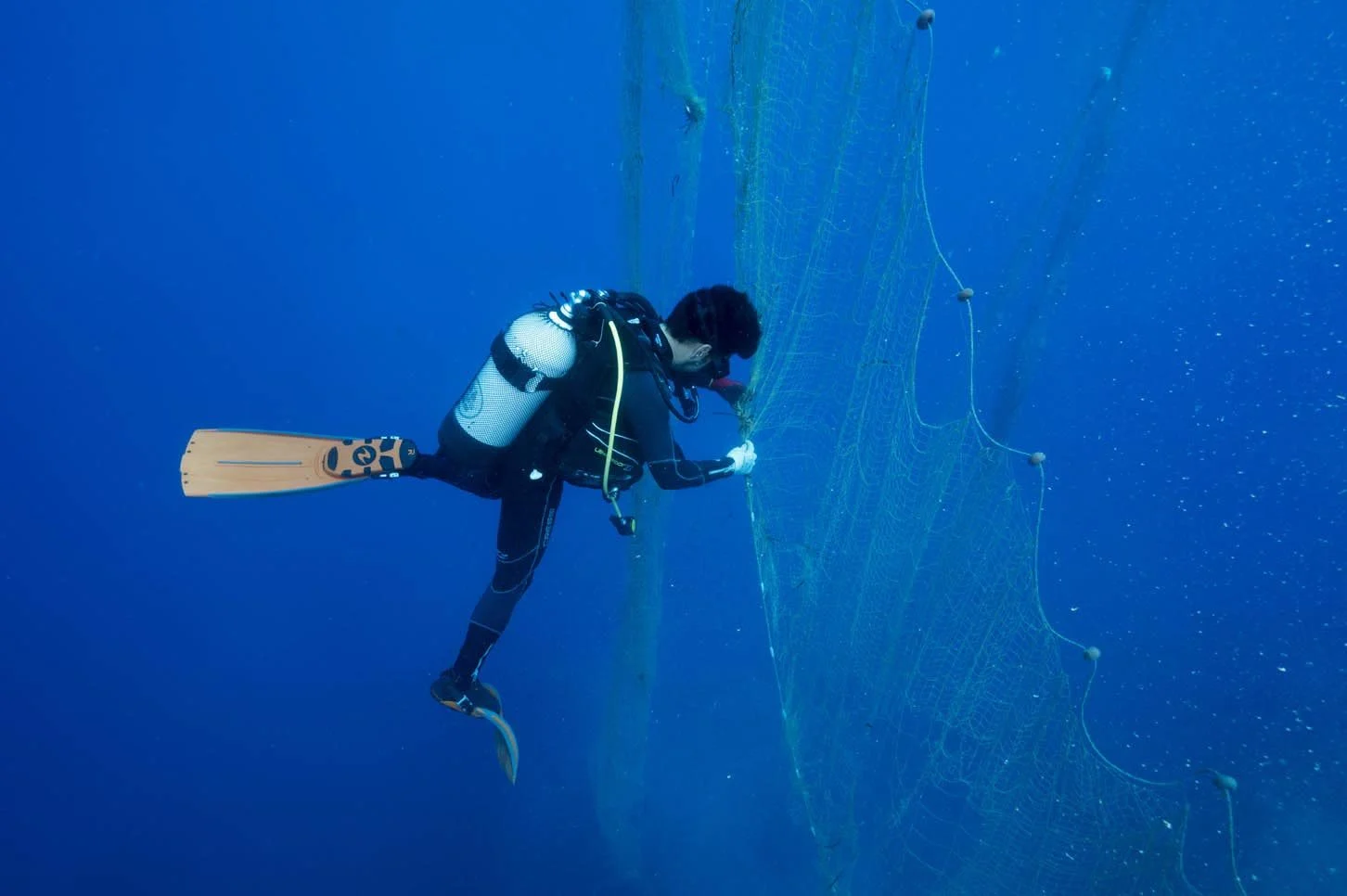
Within its Ecosystem Restoration projects, the Mediterranean Conservation Foundation removes ghost nets from marine life and supports their recycling or disposal.


Field programme · Ecosystem Restoration
Ghost nets are fishing gear that has been abandoned, lost or forgotten in seas or oceans.
Photo: Akdeniz Koruma Vakfı Arşivi
Ghost nets are fishing gear that has been abandoned, lost or forgotten in seas or oceans.
Many scientific studies show that most of these nets do not decompose in nature and continue to fish passively.
Ghost nets broadly threaten marine life, fishing and fish consumption.
Within its Ecosystem Restoration projects, the Mediterranean Conservation Foundation removes ghost nets from marine life and supports their recycling or disposal.
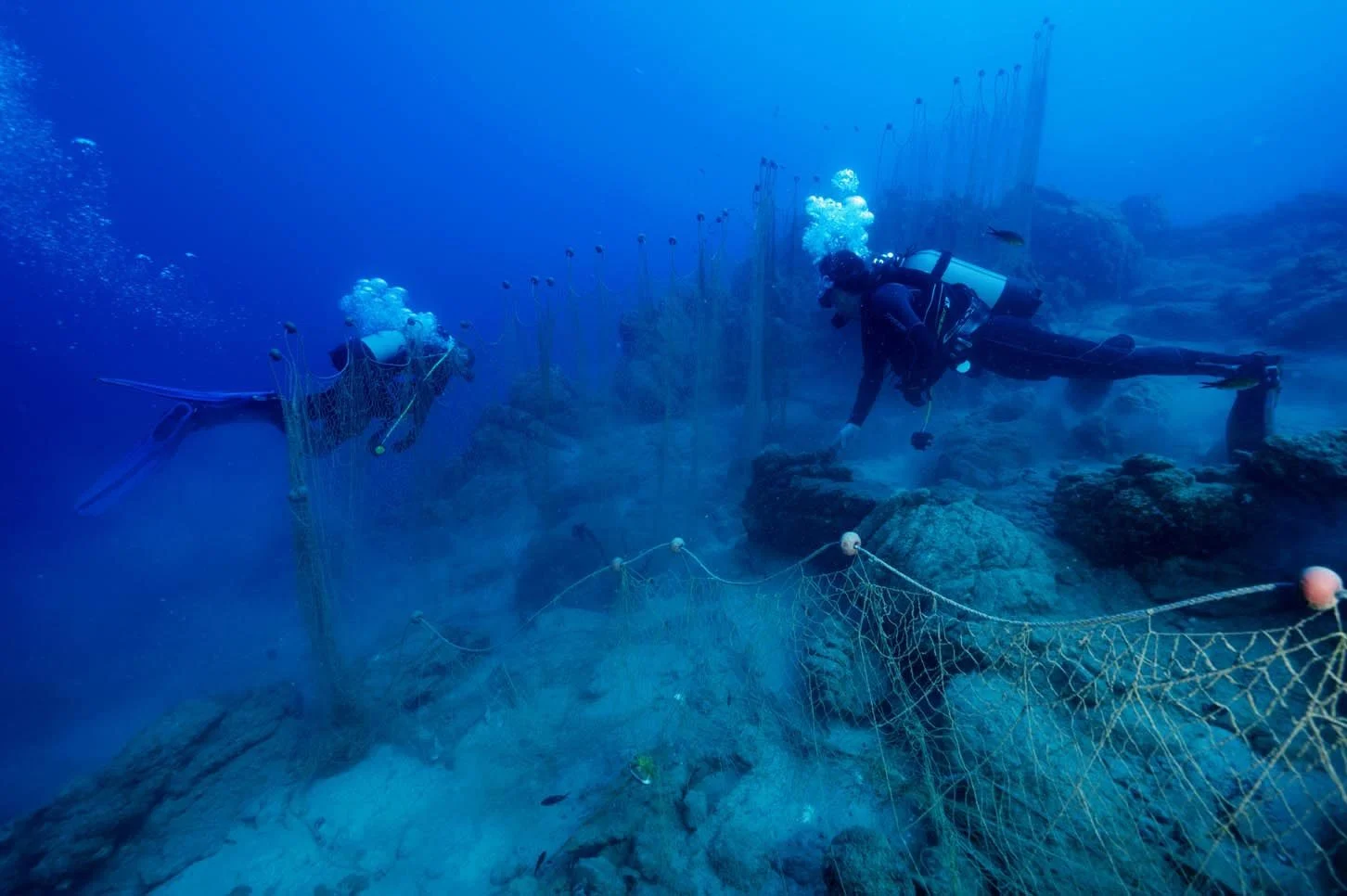
Ghost nets are fishing gear that has been abandoned, lost or forgotten in seas or oceans. They are commonly encountered as gill nets, trawl nets, purse seine nets and cage nets. They are fishing gear, generally made of plastic materials, that over time continues to fish uncontrollably underwater. Many scientific studies show that most of these nets do not decompose in nature and continue to fish passively. These nets cause marine organisms to become entangled and die, and also cause serious damage to the marine ecosystem. By covering marine habitats, they reduce light and oxygen permeability, which threatens habitats such as seagrass meadows and coral reefs, and they also cause microplastic pollution. This adversely affects biodiversity in the seas as well as those who earn their living from fishing. Ghost nets broadly threaten marine life, fishing and fish consumption.
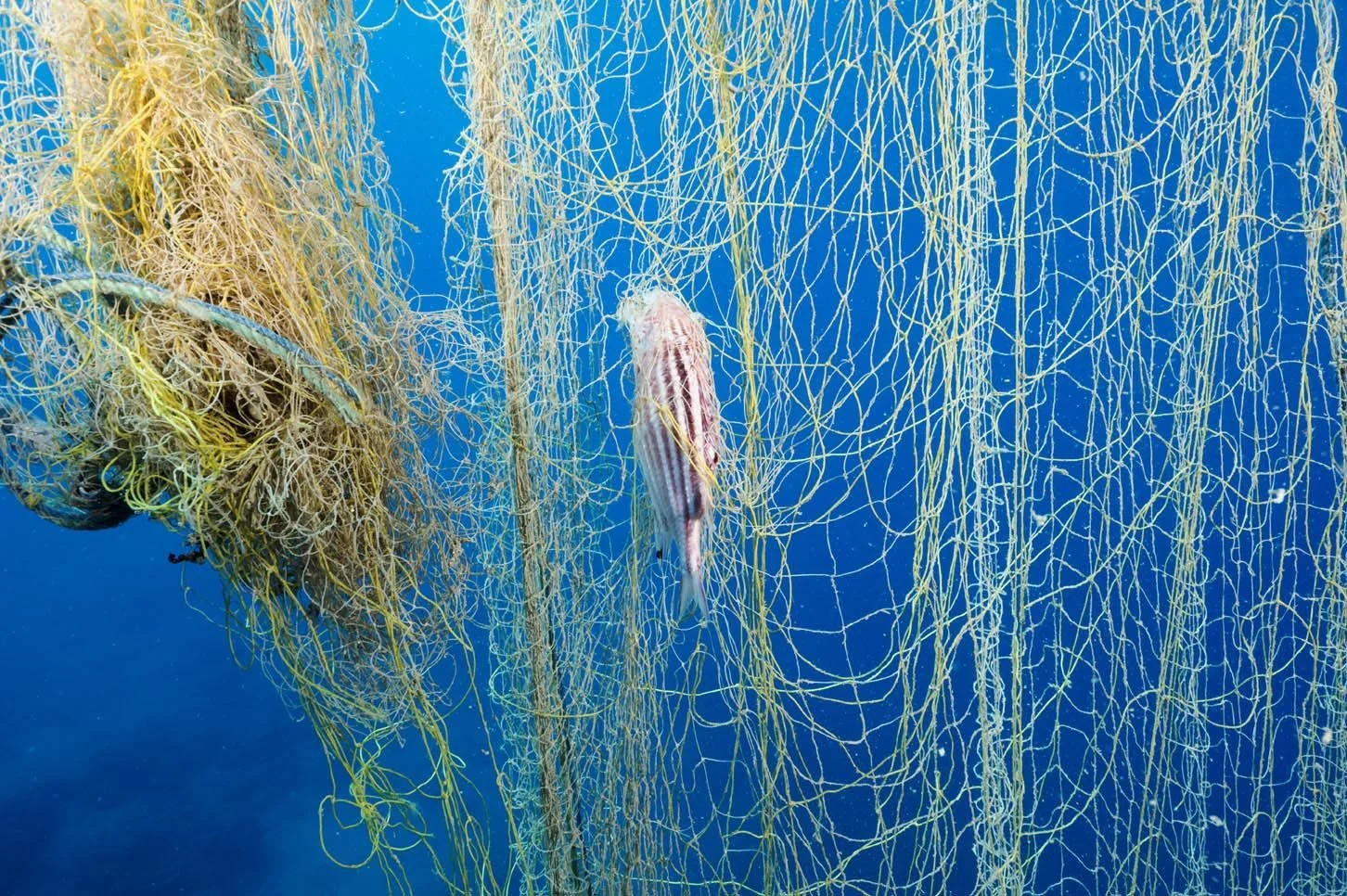
Many marine animals, such as fish, marine mammals, sea turtles and sometimes seabirds, can become entangled in the nets. These animals have very little chance of freeing themselves from the nets. Once entangled, they face the risk of drowning or starving to death. These nets pose a very great threat especially to endangered species. By putting already declining populations at further risk, they can lead to the complete extinction of these species.
Coral reefs, algae and seabed habitats are severely damaged by these nets. Nets can fall on organisms, causing destruction and smothering. This prevents photosynthesis and, while species face danger, leads to their death. Coral reefs and algae are critical habitats for many marine organisms. The destruction of these habitats leads to a decline in biodiversity and disrupts ecosystem balance, greatly weakening the chances of survival of other species.
Nets, which are generally made of plastic materials, break down over time and turn into microplastics. These microplastics spread through the marine environment and have harmful effects. Reaching larger marine animals and ultimately humans, they can also have adverse effects on human health.
Microplastics can be ingested unintentionally by small marine organisms and in this way enter the food chain, reaching larger marine animals and ultimately humans.
By continuing to fish uncontrollably in the seas, these nets can cause fish populations to decline. This also has negative effects on fisheries and gives rise to sustainability problems. The number of species that fishers catch may decrease. They can also get caught in fishers’ nets and make their fishing activities more difficult. This causes economic losses and threatens fishers’ livelihoods.
Ghost nets
Within its Ecosystem Restoration projects, the Mediterranean Conservation Foundation removes ghost nets from marine life and supports their recycling or disposal.
Within its Ecosystem Restoration projects, the Mediterranean Conservation Foundation removes ghost nets from marine life and supports their recycling or disposal.